Wooden Storage Trunk: The Complete Buying Guide
Everything you need to know about choosing a wooden storage trunk for your bedroom, living room, or entryway. Discover materials, styles, sizing, and smart storage strategies.
START EXPLORINGWhy a wooden storage trunk? A well-chosen wooden trunk combines timeless craftsmanship with practical storage. Unlike basic plastic bins, a wooden storage trunk doubles as a statement furniture piece while hiding blankets, seasonal clothing, toys, or keepsakes. This guide walks you through every decision — from wood species and joinery to size and placement — so you can choose with confidence.
What You'll Learn
What Is a Wooden Storage Trunk?
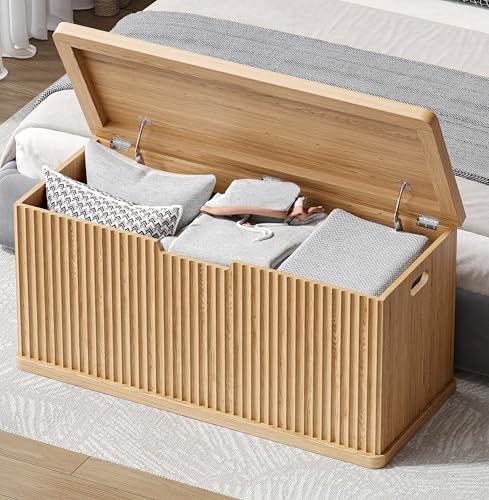
A wooden storage trunk is a box-shaped furniture piece, typically with a hinged lid, crafted from solid wood or wood composites. Originally designed for travel and transport, modern trunks have evolved into versatile home storage solutions that blend function with décor.
Unlike a standard wood cabinet with drawers, a trunk offers deep, uninterrupted interior space ideal for bulky or oddly shaped items. Many contemporary designs add internal trays, dividers, or even drawers to improve organization.
Wooden trunks are distinct from other storage furniture in several ways:
- Top-opening access — the lid lifts to reveal a large cavity, making it easy to store large items.
- Dual purpose — the flat top often serves as a bench, coffee table, or nightstand surface.
- Heirloom potential — solid wood construction can last for generations with proper care.
- Visual warmth — natural wood grain adds character that painted MDF or plastic cannot match.
If you're comparing storage options, it helps to understand how a trunk differs from a storage chest with drawers. A chest with drawers provides compartmentalized access, while a trunk prioritizes volume and a clean top surface.
Types of Wooden Storage Trunks
Not all trunks serve the same purpose. Here are the main categories you'll encounter:
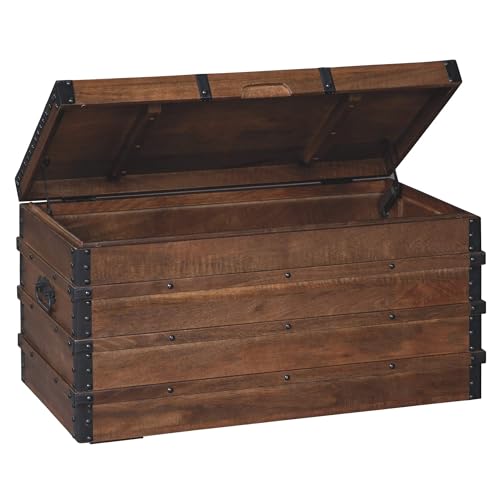
1. Classic Steamer Trunk
Inspired by vintage travel trunks, these feature metal corner brackets, leather straps, and a domed or flat lid. They suit rustic, industrial, and eclectic interiors. The reinforced corners make them durable for heavy loads.
2. Blanket Trunk
A blanket trunk is typically wider and shallower, designed to sit at the foot of a bed. It holds quilts, throws, and pillows while providing a comfortable seating surface. Look for soft-close hinges to prevent lid slam.
3. Toy Chest Trunk
Built with safety in mind, toy trunks often include lid supports that prevent accidental closing on small fingers. They are lower to the ground and may feature rounded edges. If you're organizing a child's room, a toy trunk pairs well with a small white dresser for clothing.
4. Storage Bench Trunk
This hybrid combines a bench seat with a lift-up storage compartment. It's popular in entryways and mudrooms. The seating surface is usually upholstered or finished wood.
5. Trunk with Drawers
Some designs integrate drawers into the lower portion, combining the volume of a trunk with the accessibility of a wooden storage chest with drawers. These are ideal when you need both bulk storage and organized small-item access.
6. Cedar Chest Trunk
Cedar-lined trunks are a traditional choice for storing textiles. Cedar's natural oils deter moths and absorb moisture, making it a preferred material for wool blankets and heirloom linens.
Wood Materials & Finishes
The wood species affects durability, weight, appearance, and how the trunk ages. Here's a practical comparison:
| Wood Type | Characteristics | Best For | Tier |
|---|---|---|---|
| Pine | Lightweight, easy to work, takes paint well, develops patina | Painted trunks, casual settings, starter tier | Entry-Level |
| Oak | Hard, dense, prominent grain, excellent durability | Heavy-duty trunks, traditional interiors | Mid-Range |
| Walnut | Rich dark tone, fine grain, naturally resistant to decay | Premium furniture, modern and mid-century styles | Premium |
| Cedar | Aromatic, moisture-resistant, insect-repelling | Textile storage, heirloom preservation | Mid-Range |
| Mahogany | Dense, reddish-brown, excellent stability | Formal rooms, antique reproductions | Premium |
| MDF / Engineered Wood | Uniform, stable, veneer options, lighter weight | Painted finishes, light-use storage | Entry-Level |
For a deeper look at construction differences, our guide on solid wood vs engineered wood explains how each material performs over time.
Finishes Matter
- Oil-rubbed finish — penetrates the wood, enhances grain, easy to repair.
- Lacquer or polyurethane — creates a protective film, resists spills, lower maintenance.
- Painted finish — hides imperfections, suits farmhouse and coastal styles, but can chip over time.
- Distressed or reclaimed finish — intentional wear patterns, popular in rustic and industrial designs.
Sizing & Capacity Guide
Measure your space before shopping. Trunks come in a range of dimensions, and the right size depends on both your storage needs and the room's footprint.
| Size Category | Typical Dimensions | Best Placement | Capacity Feel |
|---|---|---|---|
| Small / Accent | Up to 30" wide | Entryway, end of sofa, beside a tall narrow dresser with drawers | Throws, shoes, small toys |
| Medium / Standard | 30–42" wide | Foot of bed, living room, hallway | Blankets, seasonal clothing |
| Large / Full-Size | 42–54" wide | Bedroom, large living space | Quilts, pillows, bulky items |
| Extra-Large / Oversized | 54"+ wide | Dedicated storage rooms, large bedrooms | Multi-person storage, camping gear |
When placing a trunk at the foot of a bed, leave at least 24 inches of walkway clearance. For a bedroom with limited space, consider how a trunk compares to a small space dresser — trunks are often easier to tuck into corners.
Key Features to Look For
Small details make a big difference in daily use. Here's what to inspect:
Lid Support Hardware
A quality trunk uses gas struts or a locking stay hinge to hold the lid open. This prevents the lid from slamming shut and protects fingers. Entry-level trunks may skip this; mid-range and premium models almost always include it.
Joinery
- Dovetail joints — interlocking cuts that resist pulling apart. A hallmark of quality.
- Box joints — strong and visually distinctive, common in mid-range pieces.
- Butt joints with nails or screws — found in entry-level construction; adequate for light loads.
Interior Organization
Look for removable trays, dividers, or a cedar lining. A tray that lifts out creates a two-tier system — great for separating small items from bulk storage.
Locking Mechanism
If you store valuables, choose a trunk with a hasp that accepts a padlock. Some designs include built-in locks. This is especially useful if the trunk sits in a shared or semi-public space.
Mobility Features
Casters or wheels make it easy to reposition a heavy trunk. Check that the casters are rated for the trunk's loaded weight. Felt pads on the bottom protect hardwood floors if wheels aren't an option.
Room-by-Room Placement Ideas
Bedroom
At the foot of the bed is the classic spot. A blanket trunk here stores extra bedding and doubles as a seat. In smaller bedrooms, a trunk can replace a small chest of drawers if you primarily store bulky items rather than folded clothing. Pair it with a small grey dresser for bedroom for a coordinated look.
Living Room
Use a trunk as a coffee table with hidden storage. It holds board games, throws, and remote controls. A small chest of drawers for living room can complement the trunk for smaller items.
Entryway
A storage bench trunk at the entry provides a place to sit while putting on shoes and hides gloves, scarves, and bags. Low-profile designs work best in narrow hallways.
Kids' Room
A toy trunk keeps play areas tidy. Choose a model with safety hinges and rounded edges. For a nursery, a trunk can hold out-of-season baby clothes while a white chest of drawers nursery handles daily items.
What to Store in a Wooden Trunk
A trunk's deep interior is ideal for items that don't fit neatly in drawers. Here are practical categories:
- Bedding & linens — quilts, duvets, spare pillows, seasonal blankets.
- Out-of-season clothing — sweaters, coats, and boots during warmer months.
- Keepsakes & photos — albums, letters, and memorabilia benefit from a dry, dark interior.
- Toys & games — board games, building blocks, and stuffed animals.
- Sports & outdoor gear — camping supplies, athletic equipment, beach towels.
- Pet supplies — extra food, toys, and grooming tools.
Use breathable cotton or linen storage bags inside the trunk rather than sealed plastic, which can trap moisture. If you're storing clothing long-term, consider pairing the trunk with a tall dresser with lots of drawers for frequently accessed items.
For a comprehensive bedroom organization strategy, see how a trunk fits alongside a solid wood chest of drawers for bedroom and other storage pieces.
Care & Maintenance
Wooden trunks are low-maintenance but benefit from a few routine habits:
- Dust regularly with a soft, dry cloth. Avoid wet rags on unfinished wood.
- Control humidity — keep the trunk away from direct heat sources and damp walls. Ideal indoor humidity is 40–60%.
- Re-oil or re-wax oil-finished trunks annually with a furniture oil or beeswax. This feeds the wood and maintains the finish.
- Address scratches promptly — a touch-up marker or wax stick can prevent moisture intrusion.
- Air it out — occasionally leave the lid open for a few hours to prevent mustiness, especially in humid climates.
- Check hardware — tighten hinges and lubricate locks annually.
How to Choose a Wooden Storage Trunk: Step by Step
- Define the primary use. Is this for blankets, toys, tools, or keepsakes? The contents determine the ideal size and interior configuration.
- Measure your space. Note the width, depth, and height available. Factor in clearance for the lid to open fully.
- Choose the wood species. Pine for painted finishes, oak for durability, cedar for textiles, walnut for a premium look.
- Decide on hardware. Lid supports, locks, and casters are worth prioritizing if you'll use the trunk daily.
- Check the joinery. Dovetail or box joints indicate higher build quality than nailed butt joints.
- Consider the finish. Matte or oil-rubbed finishes show wear gracefully; high-gloss lacquer is easier to wipe clean.
- Plan for the weight. A loaded solid oak trunk is heavy. If you'll move it often, choose a smaller size or add casters.
- Compare against alternatives. If you need drawer access, review options like a wooden storage chest with drawers or a storage chest with drawers before committing.
For bedroom storage planning, it helps to map out all your furniture. A trunk works well alongside a white dresser for bedroom or a small dresser and nightstand set. If you're furnishing a compact room, see how a trunk compares to a small chest dresser in terms of usable volume.
Frequently Asked Questions
Is a wooden storage trunk better than a plastic storage bin?
For furniture-grade storage, yes. A wooden trunk is durable, repairable, and doubles as décor. Plastic bins are lighter and moisture-proof, but they lack the longevity and visual appeal of wood.
Can a wooden trunk be used as a coffee table?
Absolutely. A flat-lidded trunk with a sturdy top works well as a coffee table. Choose a height of 16–18 inches for standard sofa seating and add a tray to corral items on top.
What wood is best for a cedar chest trunk?
Aromatic cedar (usually Eastern red cedar) is the traditional choice because its natural oils repel insects and absorb moisture. Many chests use cedar lining inside a stronger structural wood like oak or poplar.
How do I prevent mold in a wooden trunk?
Keep the trunk in a dry, ventilated area. Avoid placing it against exterior walls that may sweat. Use silica gel packets or a moisture absorber inside, and air the trunk out periodically. Never store damp items.
Can I paint a wooden storage trunk?
Yes. Lightly sand the surface, apply a primer, then paint with a furniture-grade paint. Pine and MDF take paint well. If the trunk has an oil finish, degloss it first for proper adhesion.
What size trunk fits at the foot of a queen bed?
A queen bed is typically 60 inches wide. A trunk up to 50 inches wide fits comfortably at the foot with walkway clearance on both sides. Measure your specific room before purchasing.
Are wooden trunks safe for children's rooms?
Choose a trunk with safety hinges (lid stays), no sharp edges, and a lightweight lid. Avoid vintage trunks with heavy lids or locking mechanisms that could trap a child.
How much weight can a wooden trunk hold?
It depends on construction. Solid oak trunks with dovetail joints can hold several hundred pounds when used as seating. Entry-level MDF trunks are best limited to light storage. Check the manufacturer's weight rating.
Related Storage Guides
Explore more storage solutions to complete your bedroom or living space:
- Storage beds — maximize under-bed space with built-in drawers.
- Small rolling cabinet with drawers — mobile storage for tight spaces.
- Tall cabinet with doors — vertical storage for linens and supplies.
- White chest of drawers — a classic bedroom storage companion.
- Vintage chest of drawers — character-rich storage with history.
- 12-inch deep chest of drawers — slim profile for narrow rooms.
- Wooden storage chest with drawers — hybrid trunk-drawer storage.