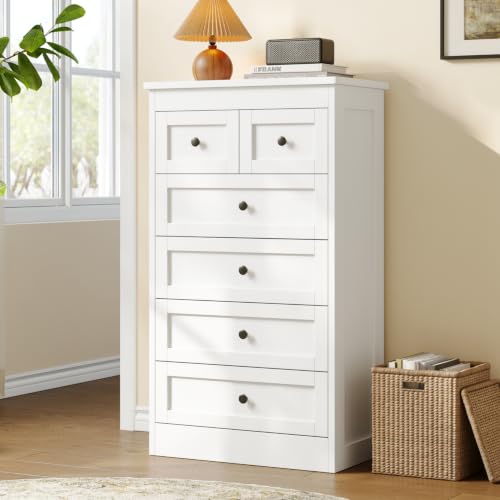
Wooden Chest of Drawers: The Complete Guide
Everything you need to know about choosing a wooden chest of drawers — from wood types and drawer construction to size selection and long-term care.
Buy Smart · Choose Once · Keep for DecadesWhy a wooden chest of drawers is a smart investment: Solid wood furniture outlasts engineered alternatives, develops character over time, and anchors your bedroom design. This guide walks you through every decision point so you can buy with confidence — whether you're furnishing a first apartment or upgrading a master suite.
What Is a Wooden Chest of Drawers?
A wooden chest of drawers is a storage piece built primarily from timber, featuring a vertical or horizontal stack of drawers designed to hold clothing, linens, and personal items. Unlike a wood dresser, which often includes a mirror and sits lower and wider, a chest of drawers is typically taller than it is wide — making it an efficient choice for compact bedrooms where floor space is limited.
The term is often used interchangeably with "tallboy" or "highboy," though technically those refer to specific proportions. What matters most is understanding how construction quality, wood species, and drawer mechanics affect daily usability and longevity.
Why Choose a Wooden Chest Over Other Materials?
Wood remains the gold standard for bedroom storage furniture. Here's why:
- Durability: Solid timber resists warping, sagging, and the wear that plagues particleboard over time.
- Repairability: Scratches can be sanded out; dents can be steamed; finishes can be refreshed. Engineered wood rarely offers this flexibility.
- Aesthetic warmth: Natural grain patterns bring texture and depth that laminates and veneers struggle to replicate convincingly.
- Long-term value: A well-built wooden chest is a long-term investment — it can last generations with proper care.
- Resale potential: Quality wooden furniture holds appeal in secondary markets, unlike mass-produced composite pieces.
If you're comparing material options, our guide on wood types for antique furniture explains how different species age and perform.
Wood Types: Which Timber Is Right for You?
The species of wood affects everything from weight and grain appearance to how the piece responds to humidity. Here's a practical comparison:
| Wood Type | Characteristics | Best For | Market Tier |
|---|---|---|---|
| Oak | Hard, dense, prominent grain. Excellent durability. | Family homes, heavy daily use | Mid to Premium |
| Walnut | Rich dark tones, fine grain, naturally resistant to warping. | Statement pieces, modern interiors | Premium |
| Maple | Light color, closed grain, very hard surface. | Minimalist and Scandinavian styles | Mid to Premium |
| Pine | Softwood, knots visible, lighter weight. Dents more easily. | Guest rooms, casual or rustic decor | Entry Level |
| Mahogany | Deep reddish-brown, excellent workability, traditional elegance. | Formal bedrooms, heirloom pieces | Luxury |
| Mango | Sustainable hardwood, unique grain patterns, medium density. | Eco-conscious buyers, boho styles | Mid Range |
For a broader comparison of timber options, see our full guide on wood selection for nightstands — the same principles apply to chests of drawers.
Construction Quality: What Separates Good From Great
Two chests made from the same wood species can differ dramatically in longevity based on how they're built. Focus on these indicators:
Drawer Joints
Dovetail joints are the benchmark — they interlock and resist pulling apart under load. Box joints are acceptable. Stapled or glued-only joints signal entry-level construction that may loosen over time.
Drawer Glides
Metal ball-bearing slides with full extension offer smooth, quiet operation and easy access. Wood-on-wood runners are traditional but require waxing and may stick in humid climates.
Drawer Bottoms
Look for plywood or solid wood bottoms that are at least 5mm thick. Thin hardboard sags under the weight of jeans or blankets. Center support rails on wide drawers prevent bowing.
Frame Joinery
Mortise-and-tenon or doweled frame joints indicate furniture-grade construction. Screws alone — without glue or reinforcement — suggest mass-market assembly that may wobble.
Finish Quality
A properly applied finish (lacquer, polyurethane, or oil) protects against moisture and stains. Uneven application, visible drips, or strong chemical odor indicate rushed factory finishing.
Back Panel
A solid or thick plywood back panel adds structural rigidity and prevents racking. Thin cardboard or flimsy hardboard backs are a common cost-cutting shortcut.
Choosing the Right Size for Your Space
Measure twice, buy once. Here's a practical framework:
| Category | Typical Height | Typical Width | Best For |
|---|---|---|---|
| Small / Lingerie Chest | 100–120 cm | 50–70 cm | Tight corners, jewelry, accessories |
| Standard Chest | 110–130 cm | 80–100 cm | Individual use, average bedrooms |
| Tallboy / Highboy | 130–160 cm | 75–100 cm | Maximum storage in minimal footprint |
| Wide Chest | 80–100 cm | 120–150 cm | Couples, shared bedrooms |
Clearance rule: Allow at least 60 cm of walking space in front of the chest so drawers can open fully without obstruction. For a deeper dive, explore our wood chest of drawers for bedroom selection guide.
How Many Drawers Do You Actually Need?
Drawer count isn't just a number — it determines how you'll organize your belongings:
- 3–4 drawers: Suitable for a single user with a capsule wardrobe. Often includes one deep drawer for bulky items.
- 5–6 drawers: The sweet spot for most adults. Allows separation of tops, bottoms, undergarments, and accessories.
- 7+ drawers: Ideal for couples or anyone who wants dedicated compartments for socks, jewelry, and seasonal items.
The depth of each drawer matters just as much as the count. Deep drawers (15+ cm) handle sweaters and jeans; shallow drawers (8–10 cm) work better for folded shirts and delicates. If you need a taller unit, consider a wooden tallboy chest of drawers for vertical storage efficiency.
Style and Finish: Matching Your Bedroom Aesthetic
The right finish ties your chest into the room's visual language:
Natural Wood Finishes
Clear lacquer or oil finishes highlight grain and suit Scandinavian, mid-century, and rustic rooms. A wood dresser set with a natural finish pairs well with neutral bedding and textured throws.
Painted Wooden Chests
White, gray, or black painted chests offer versatility and hide minor scratches. For a bold look, a wood dresser with black handles creates striking contrast against light walls.
Hardware Considerations
Knobs, pulls, and handles are the jewelry of furniture. Gold or brass pulls add warmth; matte black hardware reads modern. Many buyers upgrade hardware after purchase — a simple swap can transform a piece.
Where to Place a Wooden Chest of Drawers
Placement affects both function and visual balance:
- Opposite the bed: The classic arrangement — creates a natural focal point and keeps clothing accessible in the morning.
- Flanking the bed: A narrow chest can act as a supersized nightstand. Our guide on wood nightstand with black hardware covers complementary side pieces.
- Inside a closet: A chest tucked into a walk-in closet frees up bedroom floor space while keeping everything within reach.
- Under a window: Avoid direct sunlight, which can fade or dry out wood over time. If unavoidable, rotate the piece periodically.
Caring for Your Wooden Chest of Drawers
Proper maintenance preserves both appearance and structural integrity:
- Dust weekly with a microfiber cloth to prevent abrasive buildup.
- Clean spills immediately with a slightly damp cloth, then dry thoroughly. Never let water sit on wood.
- Polish every 6–12 months with a furniture-specific product that matches your finish type (wax for oiled wood, cream for lacquered).
- Control humidity: Keep relative humidity between 40–60%. Use a dehumidifier in damp climates or a humidifier in dry winters.
- Avoid direct heat sources like radiators or space heaters, which can cause cracking.
- Tighten hardware annually — screws and bolts can loosen with repeated drawer use.
For a deeper maintenance routine, see our guide on wooden storage chest with drawers care.
Wooden Chest vs. Other Storage Options
| Storage Type | Footprint | Capacity | Best For |
|---|---|---|---|
| Wooden Chest of Drawers | Compact vertical | Medium to high | Bedrooms with limited floor space |
| Wood Cabinet with Drawers | Wider horizontal | Medium | Living areas, multi-use rooms |
| Wooden Chest Trunk | Low, deep | High volume, low organization | Blankets, seasonal items |
| Loft Bed with Dresser | Vertical, integrated | High | Small rooms, dorms |
Frequently Asked Questions
Ready to Find Your Perfect Wooden Chest?
Browse our curated selection of wooden chests of drawers — filtered by wood type, size, and construction quality.
View Top RecommendationsExplore More Storage Solutions
Whether you're furnishing a full bedroom or adding a single piece, these guides will help:
- Wood Dresser for Sale — buying tips and what to check before you commit.
- Wood Chest of Drawers for Sale — sourcing quality pieces from trusted sellers.
- Wooden Changing Table with Drawers — nursery storage that grows with your child.
- Wood and Metal Dresser — industrial-style storage that makes a statement.
- Wood Dresser with Gold Handles — adding warmth and elegance with hardware.