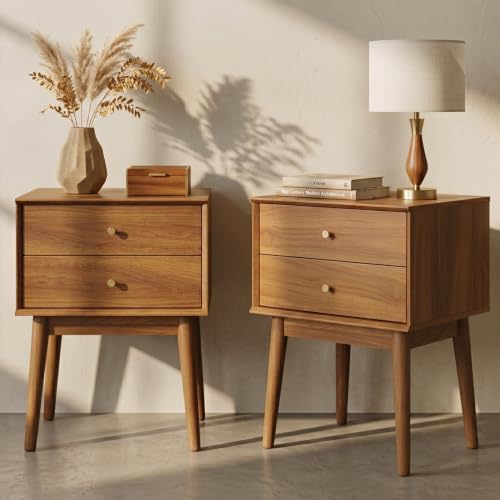
Wood for Nightstand: Choosing the Right Material for Your Bedroom
Your nightstand works harder than almost any other piece of bedroom furniture. It holds your essentials, anchors your bedside lighting, and sets the tone for the entire room. The wood you choose determines how it looks, how long it lasts, and how well it suits your daily routine. This guide walks you through every major nightstand wood species so you can make a confident, informed decision.
Why wood selection matters: A nightstand sits within arm's reach every single night. It endures water rings from late-night drinks, the weight of lamps and books, and constant opening and closing of drawers. The wood species affects durability, grain pattern, color depth, and maintenance needs. Choosing the right wood means your nightstand still looks intentional a decade from now.
Why the Wood Type Matters for a Nightstand
Nightstands are compact, but they take a disproportionate amount of wear. Unlike a formal dresser that stays against a wall, your nightstand is touched, bumped, and loaded every day. Hardwoods such as oak and maple resist dents far better than softer species, while open-grain woods like walnut bring visual warmth that lighter species cannot replicate. The wood also determines how well the piece accepts stain and finish, which directly affects how long the surface stays protected.
If you are building a coordinated bedroom, material consistency ties the room together. A wood dresser and nightstand set in matching species creates a calm, unified look, while a deliberately contrasting nightstand wood adds depth and personality. The same logic applies whether you are choosing a standalone piece or planning a full set.
The Best Woods for Nightstands: Species by Species
Each species below carries a distinct character. The tier labels describe market positioning, not a ranking of quality — every wood here can produce an excellent nightstand when finished and constructed well.
Oak
Premium TierCharacter: Bold, open grain with a strong visual presence. Oak is dense and heavy, giving it excellent resistance to dents and daily wear.
Best for: High-traffic bedrooms, rustic and farmhouse interiors, and anyone who wants a nightstand that ages with visible character.
Considerations: Its pronounced grain can feel busy in minimalist rooms. White oak offers a cleaner, more contemporary look than red oak.
Walnut
Luxury TierCharacter: Rich chocolate-brown tones with flowing, elegant grain. Walnut is a dense hardwood that holds crisp edges and fine details beautifully.
Best for: Mid-century modern and contemporary bedrooms, or as a deliberate contrast against lighter dressers.
Considerations: The dark tone absorbs light, so pair it with adequate bedside lighting. Its natural color often needs no stain at all.
Maple
Premium TierCharacter: Fine, closed grain with a pale, uniform tone. Maple is exceptionally hard and takes a smooth, glass-like finish.
Best for: Modern and Scandinavian bedrooms, painted nightstands, and anyone who prefers a clean, understated surface.
Considerations: Its subtle grain shows scratches more readily than oak, so a protective topcoat is important.
Pine
Entry-Level TierCharacter: Light, knotty, and warm. Pine is softer than hardwoods, giving it a relaxed, casual feel that suits farmhouse and cottage styles.
Best for: Guest rooms, kids' rooms, and bedrooms where the nightstand is more decorative than heavily used.
Considerations: It dents more easily under impact. A hard sealant helps, and knots add charm rather than flaw.
Mahogany
High-End TierCharacter: Deep reddish-brown with a straight, refined grain. Mahogany is stable and works beautifully for traditional and classic bedroom furniture.
Best for: Formal bedrooms, antique-inspired interiors, and nightstands with hand-finished detailing.
Considerations: Its color deepens over time with exposure to light, which many owners consider a desirable patina.
Birch & Rubberwood
Mid-Range TierCharacter: Birch offers a fine, even grain similar to maple at a more accessible position in the market. Rubberwood is dense and stable, commonly used in mid-tier furniture.
Best for: Balanced budgets, painted finishes, and bedrooms that need a durable, neutral base.
Considerations: Both accept stain and paint well, making them versatile foundations for a custom look.
Nightstand Wood Comparison at a Glance
Use this table to compare species by hardness, grain character, and how they fit into a bedroom design. Tier labels describe market positioning and intended use.
| Wood Species | Tier | Grain & Character | Best For | Maintenance Level |
|---|---|---|---|---|
| Oak | Premium | Bold, open grain; heavy and dense | Rustic, farmhouse, high-traffic rooms | Occasional oil or wax |
| Walnut | Luxury | Rich brown, flowing grain; dense | Mid-century and contemporary bedrooms | Occasional oil; low effort |
| Maple | Premium | Fine, even grain; pale and hard | Modern, Scandinavian, painted finishes | Protective topcoat recommended |
| Pine | Entry-Level | Knotty, light, soft | Guest rooms, kids' rooms, cottage styles | Sealant to reduce denting |
| Mahogany | High-End | Reddish-brown, straight grain; stable | Formal and traditional bedrooms | Occasional polish |
| Birch | Mid-Range | Fine, uniform grain; neutral tone | Painted nightstands, balanced bedrooms | Standard dusting and polish |
| Rubberwood | Mid-Range | Even grain; dense and stable | Everyday bedroom use, painted finishes | Standard dusting |
How to Choose the Right Wood for Your Nightstand
The best wood is the one that matches your room, your habits, and your design goals. Work through these factors before you commit.
- Match the rest of your bedroom furniture. If you already own a wooden dresser, choosing the same species keeps the room cohesive. A wood dresser for bedroom in oak pairs naturally with an oak nightstand, while a walnut nightstand beside a lighter dresser creates deliberate contrast.
- Think about daily wear. Hardwoods such as oak, maple, and walnut handle bumps, books, and lamps with far more resilience than softer pine. If the nightstand will hold heavy items or sit in a busy household, prioritize density.
- Consider your room's light. Darker woods like walnut absorb light and feel grounding in bright rooms, while pale maple and pine keep small or low-light bedrooms feeling open.
- Decide on finish before you buy. If you plan to paint the nightstand, a fine-grained wood like maple or birch gives the cleanest result. If you want visible grain, oak and walnut reward a clear or lightly tinted finish.
- Plan for maintenance. All wood nightstands benefit from dusting and occasional conditioning. Oiled finishes may need reapplication over time, while sealed finishes require less frequent attention.
- Coordinate hardware and accents. Wood tone influences which metals look right. A wood nightstand with black hardware reads modern and graphic, while brass or gold pulls warm up walnut and mahogany.
Pairing Your Nightstand Wood with a Dresser
A nightstand rarely lives alone. Most bedrooms pair it with a dresser, and the relationship between the two pieces defines the room's visual rhythm. Matching species and finish creates a calm, hotel-like suite. Intentional contrast — a walnut nightstand against a white oak dresser, for example — adds depth and keeps the room from feeling flat.
If you are building a full set, a wood dresser set removes the guesswork and guarantees consistent tone and hardware. If you prefer to mix, keep at least one element shared between the pieces — the wood family, the hardware finish, or the leg style — so the room still feels designed rather than assembled.
For smaller bedrooms, a compact nightstand in a lighter wood keeps the space from feeling crowded. A wood dresser with a matching light-toned nightstand is a reliable combination that works across styles. If your dresser is a statement piece in a darker species, let the nightstand support it rather than compete.
Ready to Choose Your Nightstand Wood?
Explore our curated selection of wooden nightstands and dressers, organized by species and style, to find the piece that fits your bedroom.
Explore OptionsConstruction Details That Matter Beyond the Wood Species
The species is only part of the story. Two nightstands made from the same oak can differ enormously in quality depending on how they are built. Look for solid wood drawer fronts and frames rather than veneer over particleboard, and check that drawers use dovetail or reinforced joinery instead of staples. Drawer glides should feel smooth and close evenly; soft-close mechanisms are a meaningful upgrade in daily use.
Check the base and legs as well. A nightstand with a solid, well-braced base resists wobble far better than one with thin, glued legs. If the piece includes a lower shelf or open cubby, confirm that the joints are reinforced. These details determine whether the nightstand still feels solid after years of nightly use.
Finish quality also matters. A properly sealed surface resists water rings from glasses and mugs, which is one of the most common causes of nightstand damage. If you are comparing options, treat the finish as seriously as the wood species itself.
Caring for a Wood Nightstand
Wood nightstands are low-maintenance when treated well. Dust regularly with a soft cloth to prevent grit from dulling the finish. Wipe spills promptly, especially on oiled surfaces, and use coasters under drinks and lamps. Keep the nightstand out of direct, prolonged sunlight to slow color shift, particularly with mahogany and walnut.
Condition oiled finishes once or twice a year, and use a furniture wax on sealed surfaces to maintain sheen. Avoid harsh cleaners and excessive moisture, which can raise grain and damage joints over time. With basic care, a solid hardwood nightstand can serve for decades and often improves in appearance as the wood settles.
Frequently Asked Questions About Wood for Nightstands
What is the most durable wood for a nightstand?
Oak, maple, and walnut are among the most durable hardwoods for nightstands. Their dense grain resists scratches, dents, and moisture, making them ideal for long-term bedroom use.
Is pine a good wood for nightstands?
Pine is a solid choice for entry-level and mid-range nightstands. It is lighter and softer than hardwoods, so it suits low-traffic bedrooms and casual or farmhouse decor, though it may show dents more easily.
How do I match nightstand wood to my dresser?
Choose the same wood species and finish tone as your dresser for a cohesive bedroom set, or deliberately contrast a darker nightstand wood such as walnut against a lighter oak dresser for visual depth.
Does wood type affect nightstand care and maintenance?
Yes. Hardwoods like oak and maple need occasional oiling or waxing, while pine benefits from a protective sealant. All wood nightstands should be kept away from direct moisture and strong sunlight.
Can I use a nightstand wood that differs from my bed frame?
Absolutely. A contrasting nightstand wood can add visual interest. To keep the room balanced, repeat the nightstand's tone somewhere else in the room, such as in a mirror frame, lamp base, or artwork.