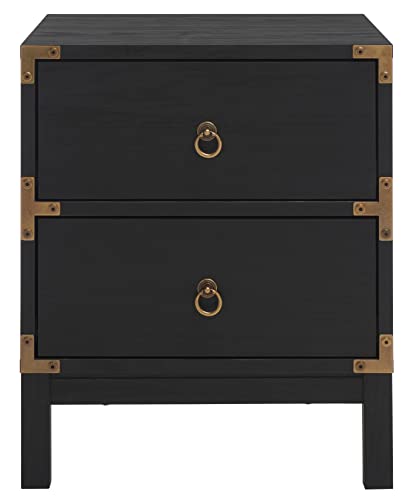
Wood Nightstand with Black Hardware: The Complete Buying Guide
Everything you need to know before choosing a wood nightstand with black hardware — from wood species and drawer construction to finish pairings, sizing, and styling for a bedroom that feels intentional.
Explore Recommended PicksWhy this guide matters: A nightstand is one of the most-used pieces in your home — you reach for it every morning and every night. Pairing warm wood with black hardware creates a striking contrast that works across modern, farmhouse, industrial, and transitional bedrooms. But not every wood-and-black combination performs the same. This guide breaks down what actually matters so you can buy with confidence.
Why Choose a Wood Nightstand with Black Hardware?
The combination of natural wood grain and matte or satin black hardware is one of the most versatile design pairings in bedroom furniture. Wood brings warmth, texture, and a sense of permanence. Black hardware adds definition, modernity, and visual contrast. Together, they create a piece that feels both grounded and current — a balance that pure white or all-metal nightstands often struggle to achieve.
From a practical standpoint, black hardware is forgiving. It hides fingerprints better than polished chrome or brass, resists showing wear over time, and works with virtually any wall color. Whether your bedroom leans toward wood dressers for bedroom warmth or a more contemporary palette, black pulls and knobs anchor the look without demanding attention.
This pairing also scales well across styles. A wood dresser with black handles in the same room creates a cohesive furniture story, and a matching nightstand completes the set. If you are building a coordinated bedroom, starting with a nightstand is a low-commitment way to test the wood-and-black palette before committing to larger pieces.
Wood Types That Pair Best with Black Hardware
Not all wood species interact with black hardware the same way. Grain density, color temperature, and natural variation all influence the final look. Here is how the most common nightstand woods compare:
- Oak: Open grain and a warm, honey-to-tan tone. Black hardware creates a crisp, modern contrast. Oak is dense and durable, making it a strong choice for mid-range and premium tiers.
- Walnut: Dark, rich brown with flowing grain. Black hardware can read as tone-on-tone, producing a moody, sophisticated look. Walnut sits comfortably in premium and luxury tiers.
- Maple: Fine, tight grain with a pale, creamy tone. Black hardware stands out sharply, giving a clean, Scandinavian feel. Maple is hard and holds finish well.
- Pine: Softer wood with prominent knots. Often used in painted or rustic finishes. Black hardware suits farmhouse and cottage styles. Pine is more prone to dents, so it fits entry-level and starter tiers.
- Rubberwood and engineered woods: Common in entry-level nightstands. When veneered well, they can mimic oak or walnut convincingly. Check for solid wood edges and reinforced drawer boxes.
If you are curious how wood species behave in older furniture, our guide to wood types for antique furniture covers grain, aging, and restoration considerations that apply to new pieces as well.
Black Hardware Styles: Knobs, Pulls, and Bar Handles
The hardware you choose shapes the personality of the nightstand as much as the wood does. Consider these common black hardware styles:
Round Knobs
Classic and understated. Matte black round knobs suit farmhouse, traditional, and transitional nightstands. Easy to grip and simple to replace.
Bar Pulls
Linear and modern. Black bar pulls work well on wide drawers and contemporary or industrial designs. Look for solid metal construction over hollow tubing.
Cup Pulls
Vintage and cottage character. Black cup pulls add a heritage feel, especially on painted or distressed wood finishes.
T-Bar Handles
Minimal and architectural. T-bars bridge modern and mid-century styles and pair particularly well with walnut and oak.
Edge Pulls
Sleek and handle-free in appearance. Integrated edge pulls keep the facade clean, letting the wood grain lead while black detailing stays subtle.
Finish matters too. Matte black reads modern and casual; satin black feels more refined; textured or hammered black adds rustic depth. Whichever you choose, confirm that the hardware is solid metal rather than coated plastic — it affects both feel and longevity.
Sizing Your Nightstand: Height, Width, and Clearance
A nightstand should feel proportionate to your bed and usable from a seated position. As a general rule, the top of the nightstand should sit within a few inches of your mattress top — slightly above or below both work, but a large mismatch feels awkward when reaching for a lamp or phone.
- Height: Match the mattress top within roughly two to four inches. Standard nightstand heights range from about 22 to 28 inches.
- Width: For a queen bed, 18 to 24 inches wide per nightstand is typical. For a king, 24 to 30 inches gives better visual balance.
- Depth: 16 to 20 inches is comfortable without crowding walkways. If space is tight, a narrower profile keeps the room functional.
- Drawer count: Two drawers is the sweet spot for most people — one for essentials, one for extras. A single drawer with an open shelf suits minimal setups.
If your bedroom is compact, prioritize a narrow footprint over drawer count. A well-proportioned two-drawer nightstand will feel better than an oversized three-drawer piece that blocks circulation.
Construction Quality: What Separates Tiers
Nightstands look similar in photos but differ enormously in construction. Use this tier framework to evaluate what you are actually getting:
| Tier | Drawer Box | Joinery | Glides | Best For |
|---|---|---|---|---|
| Entry-level | Particle board or thin plywood | Staples and glue | Basic side-mounted | Guest rooms, starter apartments |
| Mid-range | Solid wood front, plywood sides | Dado and screw reinforcement | Ball-bearing slides | Primary bedrooms, daily use |
| Premium | Solid wood throughout | Dovetail or box joint | Soft-close undermount | Long-term households, design-led rooms |
| Luxury | Kiln-dried hardwood, hand-finished | Hand-cut dovetails | Premium soft-close with dampers | Heirloom-quality furniture collections |
Mid-range models usually offer the best balance: solid wood fronts, reliable glides, and hardware that will not loosen after a year. If you plan to keep the piece for a decade or more, premium construction pays off through smoother operation and fewer repairs.
Finish Pairings: Wood Tones and Black Hardware
The finish on your wood nightstand determines how dramatic the black hardware will appear. Consider these pairings:
- Natural oak + matte black: High contrast, modern, and bright. Works well in Scandinavian and contemporary bedrooms.
- Walnut + satin black: Low contrast with a luxurious, tonal effect. Ideal for moody, sophisticated spaces.
- Whitewashed or painted wood + black: Crisp and cottage-inspired. Black hardware pops against light finishes.
- Distressed or rustic wood + textured black: Cohesive farmhouse or industrial character. Wrought-style hardware reinforces the theme.
- Gray-washed wood + black: Cool, coastal-modern balance. Black hardware keeps the palette from feeling washed out.
If you are coordinating with other furniture, a wood dresser in the same finish family will unify the room. And if you prefer a bolder accent, pairing your nightstand with a black vanity desk with drawers creates a deliberate dark-and-light rhythm across the bedroom.
Styling a Wood Nightstand with Black Hardware
Once the nightstand is in place, styling determines whether it feels finished or cluttered. Keep these principles in mind:
- Layer light and height: A table lamp plus a small stack of books or a tray creates depth. Black hardware already provides visual interest, so keep accessories restrained.
- Repeat the black: Echo the hardware with a black picture frame, lamp base, or clock. This small repetition makes the room feel designed rather than assembled.
- Leave breathing room: Do not fill every inch of the top. Negative space lets the wood grain and hardware read clearly.
- Use the drawers intentionally: Reserve the top drawer for nightly essentials and the lower drawer for items you use weekly. This keeps the surface calm.
- Coordinate, don't clone: If you have a wood dresser and nightstand set, you can vary the styling between pieces while keeping the wood-and-black theme consistent.
Common Mistakes to Avoid
- Ignoring scale: A nightstand that is too short or too tall disrupts the bed's visual balance and feels awkward to use.
- Choosing hardware by photo alone: Matte black finishes vary widely. If possible, order a sample knob or check return policies before committing to a full set.
- Overlooking drawer interiors: A beautiful exterior can hide thin, splinter-prone drawer boxes. Check interior photos or reviews mentioning drawer quality.
- Skipping wall anchoring: Nightstands with drawers can tip if weight is applied to an open drawer. Anchor taller or lighter pieces to the wall, especially in homes with children.
- Mismatching wood undertones: If you are pairing the nightstand with an existing bed or dresser, compare undertones — yellow-based oak next to red-based cherry can clash.
Frequently Asked Questions
What wood types work best for a nightstand with black hardware?
Oak, walnut, maple, and pine are all excellent choices. Mid-range to premium oak and walnut offer strong grain contrast against black pulls, while entry-level pine suits painted finishes. The key is matching grain character to your desired visual weight.
Are black hardware nightstands suitable for small bedrooms?
Yes. Black hardware on a wood nightstand creates visual contrast without adding bulk. Choose a narrow or compact two-drawer model to keep the footprint small while maintaining a bold, modern look.
How do I maintain black hardware on a wood nightstand?
Wipe hardware with a soft damp cloth and dry immediately. Avoid abrasive cleaners that can strip the finish. For wood surfaces, dust regularly and apply a furniture conditioner every few months to preserve the grain and finish.
What drawer mechanisms should I look for in a premium nightstand?
Premium and luxury tiers typically feature soft-close glides, dovetail joinery, and metal drawer runners. Mid-range models often use ball-bearing slides, while entry-level pieces may rely on basic side-mounted glides. Heavier-duty mechanisms signal better long-term durability.
Ready to Choose Your Wood Nightstand?
Browse our recommended wood nightstands with black hardware below. Each pick is selected for construction quality, hardware durability, and design versatility — so you can compare features and find the right fit for your bedroom.
See Recommended Nightstands