Textured Dresser: The Complete Guide to Styles, Materials & How to Choose
A textured dresser turns an everyday storage piece into a design statement. From natural wood grain and fluted fronts to rattan webbing and 3D relief panels, texture adds depth, warmth and tactile interest that a flat finish simply cannot match. This guide walks you through every textured finish, the materials behind them, drawer quality, sizing and styling so you can choose with confidence.
A textured dresser is any dresser whose drawer fronts, frame or top feature a surface that you can feel as well as see. The most common textured finishes are natural wood grain, embossed and 3D relief panels, fluted and reeded detailing, rattan or cane webbing, and distressed or hand-rubbed surfaces. Texture is the opposite of a flat, high-gloss or vinyl-wrapped smooth finish. It is chosen for visual depth, tactile appeal and the way it softens light across a bedroom.
Why Choose a Textured Dresser
Texture changes how a dresser behaves in a room. A smooth lacquered surface reflects light evenly and can read as flat or sterile; a textured surface catches light at different angles, creating soft shadows that give the piece depth. In a bedroom, where dressers often sit against a plain wall, that depth is what stops the furniture from disappearing into the background.
There are practical benefits too. Many textured finishes — particularly wood grain, wire-brushed oak and hand-rubbed matte surfaces — hide fingerprints, dust and minor scratches far better than gloss finishes. If you have children, pets or a high-traffic bedroom, a lightly textured surface is more forgiving over the years. Fluted and reeded fronts also add structural rigidity to drawer panels, which can contribute to a sturdier build.
Visual Depth
Texture creates shadow lines and soft highlights that make a dresser feel dimensional rather than flat, especially under bedroom lighting.
Tactile Appeal
A surface you want to touch adds a sensory layer to the room. Woven rattan and carved reliefs invite interaction in a way gloss cannot.
Practical Durability
Matte and textured finishes mask fingerprints, dust and light scratches, keeping the piece looking well-kept with minimal effort.
Style Flexibility
Texture works across styles — fluted fronts suit modern rooms, rattan suits coastal and boho spaces, wood grain suits nearly everything.
The Main Types of Dresser Texture
Not all texture is created equal. The type you choose affects the dresser's look, its maintenance needs and how well it fits your room. Below are the six texture families you are most likely to encounter, with guidance on where each works best.
1. Natural Wood Grain
The most timeless option. Wood grain is the visible pattern of the timber itself, enhanced by staining, oiling or wire-brushing. Oak, walnut, ash and maple each have distinct grain character — oak is bold and open, walnut is rich and swirling, ash is linear and subtle. Wire-brushed finishes exaggerate the grain for a more rustic, tactile feel.
Best for: Bedrooms of any size, especially where you want a warm, natural look that will not date. Pairs well with solid wood chest of drawers for bedroom collections and neutral palettes.
2. Fluted and Reeded Fronts
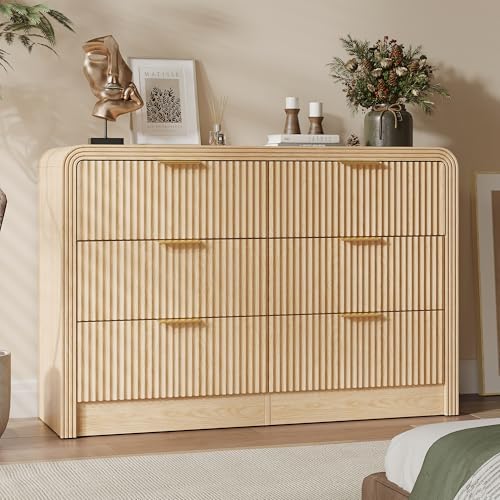
Fluted and reeded dressers feature vertical or horizontal ribs carved into the drawer fronts. Fluting uses rounded concave grooves; reeding uses raised convex ridges. Both create a rhythmic, architectural look that reads as premium and modern. They are among the most popular textured finishes in contemporary bedroom furniture.
Best for: Modern and mid-century bedrooms, and anyone who wants a sculptural focal point. A fluted front works beautifully on a wide dresser where the repetition of the ribs creates a strong horizontal rhythm.
3. Rattan and Cane Webbing
Woven rattan, cane and wicker panels replace solid drawer fronts with an open or semi-open weave. The texture is warm, lightweight and airy, and it lets a hint of the drawer interior show through. Rattan dressers have a strong coastal, bohemian and cottage appeal and pair naturally with white and natural finishes.
Best for: Coastal, boho and farmhouse bedrooms. If you like this look, a white and rattan dresser is an easy entry point, and a white wicker dresser offers a similar woven texture with a softer silhouette.
4. Embossed and 3D Relief Panels
Embossed dressers use molded or pressed panels to create patterns — geometric grids, floral motifs, chevron or abstract reliefs. 3D textured dressers take this further with deep, sculptural drawer fronts that catch light dramatically. These finishes are typically found on engineered wood bodies with a molded overlay.
Best for: Contemporary bedrooms where the dresser is meant to be the statement piece. Pair with plain walls and minimal decor so the relief pattern stays the focus.
5. Distressed and Hand-Rubbed Finishes
Distressed dressers use sanding, glazing, wormhole detailing or hand-rubbing to create an aged, lived-in surface. The texture is visual and tactile at once — you feel the grain, the worn edges and the subtle undulations of the finish. This is the classic farmhouse, rustic and cottage look.
Best for: Farmhouse, rustic, cottage and shabby-chic bedrooms. A distressed white finish is the most versatile; darker glazed finishes feel more traditional.
6. Fabric and Leather-Wrapped Panels
A smaller category, but worth knowing. Upholstered dressers wrap drawer fronts in fabric, faux leather or genuine leather for a soft, padded texture. These pieces feel luxe and quiet, and they work well in calm, monochrome bedrooms.
Best for: Luxury and high-end tier bedrooms, boutique-hotel styling, and anyone who wants a dresser that feels soft rather than hard-edged.
Materials Behind the Texture
The texture is only as good as the material under it. A beautiful fluted front on a flimsy particleboard core will not hold up; a plain-looking wood-grain dresser on solid oak will outlast it by decades. Understanding the material is the single best way to judge whether a textured dresser is worth your attention.
Material
Texture Character
Durability
Best For
Solid oak / ash
Bold, open grain; holds fluting and carving well
Heavy-duty, long-term investment
Family bedrooms, heirloom pieces
Solid walnut / maple
Rich, fine grain; premium tactile feel
Heavy-duty, long-term investment
Mid-century and luxury bedrooms
Engineered wood with wood veneer
Real grain look, stable panels, good for embossing
Mid-range to premium depending on build
Modern bedrooms, large dressers
Engineered wood with laminate / vinyl
Printed texture; can feel flat up close
Entry-level to mid-range
Starter-tier and rental bedrooms
Rattan / cane over a frame
Open woven texture, airy and warm
Mid-range; watch for sun and humidity
Coastal, boho, cottage bedrooms
MDF with molded relief
Deep 3D patterns, consistent finish
Entry-level to mid-range
Statement contemporary pieces
A useful rule: if the texture is the selling point, the material should support it. Solid wood and high-grade veneer take fluting and carving cleanly and hold that detail for years. Laminate and vinyl can imitate texture well in photographs but often feel flatter in person and may chip at edges. For a deeper comparison, see our guide on solid wood vs engineered furniture.
Drawer Quality You Should Check
Texture draws the eye to the front of the dresser, but the drawers are where a piece lives or dies. Before you commit, check the following:
Joinery: Dovetail joints at the drawer corners are the gold standard for durability. Box joints and stapled corners are common at entry-level.
Glides: Metal ball-bearing or soft-close glides give a smooth, quiet pull. Look for full-extension glides so you can reach the back of the drawer.
Drawer bottoms: A sturdy bottom panel set into a groove will not sag under the weight of clothing. Thin stapled bottoms are a weak point.
Internal depth: Textured fronts can add visual bulk, so check the usable internal depth — a deep drawer is more practical than a thick front.
Stability: Give the dresser a gentle nudge. A well-built piece should not wobble. Fluted and reeded fronts can add rigidity, but the carcass still needs to be solid.
Safety hardware: Anti-tip straps are essential, especially in bedrooms and nurseries. Textured dressers tend to be heavier, which makes proper anchoring even more important.
If you are organizing drawer contents around a new piece, our dresser organization guide covers folding, dividers and seasonal rotation in detail.
Sizing a Textured Dresser for Your Room
Texture affects perceived size. A heavily textured or dark-toned dresser reads as more visually weighty than a smooth, pale one of the same dimensions. In a compact bedroom, choose a lighter texture — fine reeding, subtle wood grain, pale washed finishes — so the piece adds depth without crowding the room.
As a starting point, measure the wall you plan to use and leave at least 24 inches of clearance in front of the dresser for drawers to open. For narrow rooms, a tall, narrow dresser maximizes vertical storage without eating floor space; for long walls, a wide dresser with repeated texture creates a strong, balanced focal point. Small-space shoppers may find our guides to a small space dresser and a tall narrow dresser with drawers useful for working through the trade-offs.
Compact Bedrooms
Choose fine reeding, pale wood grain or a narrow fluted profile. Keep the texture subtle so the room still feels open.
Standard Bedrooms
Most texture types work here. Match the texture scale to the room — finer textures in smaller rooms, bolder reliefs in larger ones.
Primary Suites
A wide dresser with deep fluting or a rich walnut grain anchors the room and supports a layered, hotel-style look.
Matching Texture to Your Decor Style
The right texture depends on the room around it. Here is how the main texture families map to popular bedroom styles:
Modern and contemporary: Fluted and reeded fronts, 3D relief panels, matte painted finishes. Pair with a white modern dresser for bedroom look if you want a light, clean palette.
Farmhouse and cottage: Distressed and hand-rubbed finishes, whitewashed wood grain, rattan accents. A white farmhouse chest of drawers captures the look well.
Coastal and boho: Rattan, cane, wicker and natural wood grain. Light, airy and warm.
Scandinavian: Subtle ash or pine grain, pale finishes, minimal relief. Texture is present but quiet.
Luxury and boutique: Upholstered panels, deep carved reliefs, high-grade walnut with hand-rubbed oil finish.
Care and Maintenance by Texture Type
Textured dressers need slightly different care than smooth ones. Dust settles into grooves and weaves, so regular light maintenance is more effective than occasional deep cleaning.
Wood Grain
Dust with a microfiber cloth following the grain. Use a mild wood cleaner sparingly; avoid silicone-based polishes that can build up in the grain. Re-oil oiled finishes once or twice a year.
Fluted and Reeded
Run a soft brush or a vacuum brush attachment along the grooves to lift dust. Wipe with a barely damp cloth, then dry immediately so moisture does not sit in the recesses.
Rattan and Cane
Vacuum monthly with a brush attachment. Keep away from direct sun and damp walls, which can dry or warp the weave. A soft brush with a little mild soapy water handles occasional marks.
Embossed and 3D Relief
Use a soft brush to dislodge dust from the pattern, then wipe with a microfiber cloth. Avoid abrasive cleaners that can dull the raised edges.
Distressed Finishes
Dust regularly and avoid over-wetting. Distressed surfaces are designed to show wear, so light patina is part of the look rather than a flaw.
Textured Dresser Buying Checklist
Use this checklist before you commit to any textured dresser. It covers the points that separate a piece you will keep for years from one you will replace in two.
Confirm the material under the texture. Solid wood or high-grade veneer for a long-term investment; engineered wood is fine at mid-range if the build is solid.
Feel the texture in person if possible. Photographs flatter texture; the real surface tells you whether it feels premium or printed.
Check drawer joinery and glides. Dovetail joints, soft-close full-extension glides and sturdy bottoms.
Measure the wall and clearance. Leave room for drawers to open fully and for the dresser to sit comfortably against the wall.
Match texture scale to room size. Fine textures in compact rooms, bolder reliefs in larger spaces.
Plan for anchoring. Confirm anti-tip hardware is included and use it.
Think about maintenance. Choose a texture you are willing to dust and clean regularly.
Check the finish durability. Matte and wire-brushed finishes are forgiving; high-gloss textured finishes are rarer but show marks more readily.
If you are still deciding between related forms, our comparisons on a tall chest and a storage chest with drawers can help you weigh vertical storage against broader drawer capacity. For a bedroom with a mirror-led vanity corner, a small dresser with mirror is worth considering alongside a textured main piece.
Frequently Asked Questions
What is a textured dresser?
A textured dresser is a storage piece whose drawer fronts and frame feature a tactile surface rather than a flat, smooth finish. Textures include natural wood grain, embossed panels, rattan or cane webbing, fluted and reeded detailing, and 3D geometric reliefs.
Are textured dressers hard to clean?
Most textured dressers are easy to maintain with a soft brush, a microfiber cloth and a mild cleaner. Deep grooves and woven rattan collect more dust than smooth surfaces, so vacuum them monthly with a brush attachment to keep the texture looking crisp.
Which textured finish suits a small bedroom?
Light-toned wood grain, subtle fluted fronts and fine reeded panels work well in small bedrooms because the texture adds depth without visually crowding the room. Pair them with a white or pale neutral palette.
Is a textured dresser a long-term investment?
A solid wood textured dresser with dovetail joints, soft-close glides and a durable finish is a long-term investment that can last for decades. Mid-range engineered models are a solid choice for the tier if the texture and hardware are well executed.
Does texture affect how much a dresser holds?
Not directly — internal capacity depends on drawer dimensions, not the front surface. However, deeply textured or thick drawer fronts can reduce usable internal depth slightly, so check the interior measurements rather than judging by the outside.
Can textured dressers work in a nursery?
Yes, provided the dresser is sturdy, anchored with anti-tip hardware and free of sharp or loose decorative elements. Rattan and wood-grain finishes are popular in nurseries for their warm, soft look.
The Bottom Line
A textured dresser is one of the most effective ways to add character to a bedroom without changing the layout or the color scheme. The texture itself — whether it is wood grain, fluting, rattan or relief — does the work of making the piece feel considered. Choose a texture that matches your room's style and scale, confirm the material and drawer build underneath it, and you will have a dresser that looks better and lasts longer than a flat-finish alternative.
Start with the texture type that speaks to you, then use the buying checklist above to validate the build. If you are furnishing a smaller space, pair your textured piece with a small chest dresser or a storage chest with drawers for a coordinated, space-efficient bedroom.
Recommended Textured Dressers & Storage Picks
⚠️ AFFILIATE DISCLOSURE: This website contains affiliate links. As an Amazon Associate, we earn from qualifying purchases. If you make a purchase through these links, we may receive a small commission at no additional cost to you.
Read our full affiliate policy.
Decofy 47" W Fluted 6-Drawer Dresser for Bedroom, Natural Oak | Gold Handles, Wave Texture, Wood Storage Chest, Natural Oak Finish, Organizer For Clothes, Linens, And Accessories
⚠️ Note: The purchase links above are affiliate links. As an Amazon Associate, we earn from qualifying purchases at no additional cost to you.
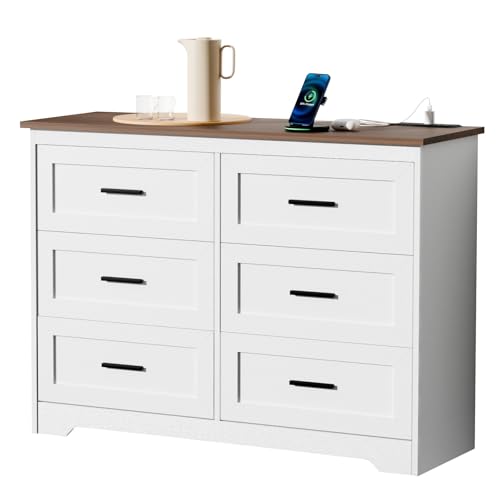
GEPELCN Farmhouse Dresser for Bedroom 6 Drawers Dresser with Power Outlets Rustic Chest of Drawers with Natural Texture White Organizer for Living Room Hallway
⚠️ Note: The purchase links above are affiliate links. As an Amazon Associate, we earn from qualifying purchases at no additional cost to you.
Fluted Dresser for Bedroom with 6 Drawers, 48" Wide Modern Chest of Drawers with Metal Handle, Wooden Dresser TV Stand, Wood Closet Clothes Storage Organizer for Living Room, Hallway, Natural Oak
⚠️ Note: The purchase links above are affiliate links. As an Amazon Associate, we earn from qualifying purchases at no additional cost to you.
Fluted 5 Drawer Dresser for Bedroom, 43" Tall Dresser for Bedroom, Modern Fluted Chest of Drawers, Handle-Free/Floor-Mounted Wood Drawer Dresser for Living Room, Bedroom, Entryway, Hallway (White)
⚠️ Note: The purchase links above are affiliate links. As an Amazon Associate, we earn from qualifying purchases at no additional cost to you.
Decofy 47" H Fluted 6-Drawer Dresser for Bedroom, Pure White | Gold Handles, Wave Texture, Wood Storage Chest, Pure White Finish, Organizer For Clothes, Linens and Accessories
⚠️ Note: The purchase links above are affiliate links. As an Amazon Associate, we earn from qualifying purchases at no additional cost to you.
Disclaimer
The information provided on DresserAdvisor is for educational and informational purposes only. We are not furniture professionals, and our content should not replace professional advice from qualified furniture makers, interior designers, or safety experts. Some content may use AI assistance. Always check product safety standards and certifications before purchasing. If you do not agree, please do not use this website.
Read the full disclaimer.
We use cookies to provide you with a better browsing experience. By continuing to use our site, you consent to our cookie settings.
Learn more