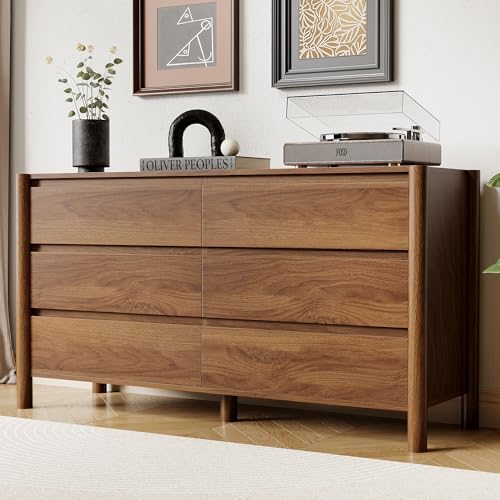
Solid Wood Mid Century Dresser
Discover how to choose a durable, beautifully crafted mid century dresser built from real solid wood — with expert guidance on wood species, joinery, drawer quality, sizing, and styling for a timeless bedroom.
EXPLORE THE GUIDEWhy solid wood matters: A mid century dresser is more than storage — it is a piece of furniture that can last for decades. Solid wood construction offers superior durability, repairability, and the authentic grain character that defines the mid century modern aesthetic. This guide walks you through everything you need to know before choosing your piece.
What Defines a Solid Wood Mid Century Dresser
Mid century modern design, popularized in the 1940s through the 1960s, emphasizes clean lines, tapered legs, organic curves, and a seamless blend of form and function. When that design language meets solid wood construction, the result is furniture with both visual warmth and structural integrity.
A genuine solid wood mid century modern dresser uses timber — not particle board or MDF — for the case, drawer fronts, and frame. This distinction matters because solid wood can be sanded, refinished, and repaired over time, while engineered wood cannot. The grain pattern on a solid wood piece is also continuous and natural, rather than printed or veneered.
Key Design Signatures
Tapered Legs
Splayed or angled legs that lift the piece off the floor — a hallmark of mid century silhouettes and a practical aid for cleaning underneath.
Clean Lines
Minimal ornamentation, flush drawer fronts, and geometric proportions that keep the dresser visually light and adaptable to many room styles.
Natural Wood Grain
Warm walnut, teak, or oak surfaces finished with oil or lacquer to highlight grain rather than hide it beneath heavy paint or veneer.
Integrated Hardware
Recessed pulls, simple metal handles, or sculpted wooden tabs that sit flush with the drawer front for a sleek, uncluttered look.
Functional Storage
Drawer banks sized for clothing, with smooth-glide runners and often a mix of shallow and deep drawers for versatile organization.
Proportions
Lower, wider profiles that sit comfortably against a wall and pair naturally with mid century beds and nightstands.
Choosing the Right Wood Species
The wood species affects not only appearance but also durability, weight, and how the piece ages. Each species brings a distinct character to a mid century dresser.
Walnut
Walnut is the signature wood of mid century design. Its rich, chocolate-brown tone and fine, straight grain give pieces an elegant warmth. Walnut is dense and durable, making it an excellent choice for solid wood chests and dressers that will see daily use. A walnut dresser is often positioned in the premium or high-end tier due to the material's relative scarcity and machining demands.
Teak
Teak is naturally resistant to moisture and insects, which is why it became popular in Scandinavian and Danish modern furniture. Its golden-brown color and subtle grain make it a versatile choice for bedrooms with warm or neutral palettes. Teak sits comfortably in the mid-range to premium tier.
Oak
Oak offers exceptional hardness and a more pronounced grain pattern. White oak brings a lighter, more contemporary feel, while red oak has a warmer tone. Oak dressers are often found in the mid-range tier and are a solid choice for families or high-traffic bedrooms.
Cherry and Ash
Cherry develops a deep, reddish patina over time and machines beautifully — a favorite for traditional mid century reproductions. Ash is lighter in color with a springy grain, often used when a brighter, airier look is desired. Both sit in the mid-range tier and offer good durability.
Construction Quality: What to Inspect
Solid wood is only part of the story. The way a dresser is assembled determines how well it will hold up over years of use. Here are the details that separate a well-built piece from a fragile one.
Joinery
Look for dovetail or box joints at the corners of drawers. These interlocking joints are far stronger than stapled or nailed butt joints and are a hallmark of quality case goods. On the dresser frame, mortise-and-tenon or doweled joints indicate a properly built carcass.
Drawer Boxes
Solid wood drawer sides — rather than thin plywood — resist warping and support heavier loads. Drawer bottoms should sit in a groove cut into the sides, not simply stapled to the underside. This construction allows the bottom to expand and contract with humidity without splitting.
Runners and Glides
Traditional wooden runners offer a classic feel and can be waxed for smooth operation. Metal ball-bearing slides with soft-close mechanisms are common in mid-range and premium tiers and provide effortless, quiet movement. Whichever style you choose, test the drawers in person if possible — they should glide evenly without wobble.
Finish
Oil and wax finishes highlight natural grain and can be refreshed at home. Lacquer and polyurethane offer more protection against spills and wear. A well-applied finish should be even, free of drips, and feel smooth to the touch.
Sizing Your Mid Century Dresser
Mid century dressers come in several configurations. Choosing the right size depends on your room dimensions, storage needs, and how the piece will relate to other furniture.
| Configuration | Typical Width | Best For |
|---|---|---|
| Compact / Small | 30–40 inches | Guest rooms, small bedrooms, and tight wall spaces. Pair with a small space dresser strategy. |
| Standard Single | 40–52 inches | Primary bedrooms with moderate storage needs; fits comfortably beside a bed. |
| Double Dresser | 56–72 inches | Larger bedrooms, couples, or anyone needing generous drawer capacity. |
| Tall Chest | 30–40 inches wide, 45–55 inches tall | Rooms with limited floor space that can use vertical storage. |
Height is equally important. Standard dresser height runs 30 to 36 inches, which places the top surface at a comfortable level for display or a mirror. Tall chests reach 45 to 55 inches and offer more drawers in a smaller footprint. If you are outfitting a compact bedroom, consider a tall narrow chest of drawers in solid wood to maximize vertical storage.
Understanding Quality Tiers
Mid century dressers span a wide range of construction quality. Rather than focusing on numbers, use these universal tier descriptors to set expectations.
| Tier | Typical Construction | Best For |
|---|---|---|
| Entry-Level | Solid wood fronts with engineered wood case; basic metal slides; simpler joinery. | Guest rooms, first apartments, and buyers prioritizing the mid century look. |
| Mid-Range | Solid wood case and drawer fronts; dovetail or box joints; ball-bearing or wooden slides. | Primary bedrooms and daily-use furniture where longevity matters. |
| Premium | Fully solid hardwood construction; hand-finished surfaces; soft-close slides; refined joinery. | Design-focused bedrooms and buyers seeking a long-term investment piece. |
| Luxury | Rare or premium species; artisanal finishing; custom hardware; heirloom-grade assembly. | Statement bedrooms and collectors of fine mid century furniture. |
Within each tier, a well-specified product can offer good value for its class. The key is to match the tier to your expected use — a guest room may not need the same construction as a primary bedroom dresser used every day.
Styling a Mid Century Dresser in Your Bedroom
A solid wood mid century dresser is a natural focal point. Its clean lines and warm grain make it easy to style without overwhelming the room.
- Keep the top uncluttered: A single ceramic vase, a small lamp, and a framed print are often enough. Let the wood grain be the visual anchor.
- Pair with a mirror: A round or arched mirror above the dresser adds light and depth. Explore small dresser with mirror options if space is tight.
- Coordinate with nightstands: A matching set creates cohesion. If you prefer an eclectic look, choose nightstands in a complementary wood tone.
- Use warm textiles: Linen, wool, and cotton in muted earth tones complement walnut and teak beautifully.
- Add a runner or tray: A low tray corrals small items and protects the wood surface while adding texture.
For a complete bedroom look, consider pairing your dresser with complementary pieces such as a solid wood changing table dresser in a nursery, or a solid wood small chest of drawers for additional storage in a guest room.
Caring for Your Solid Wood Dresser
Solid wood furniture rewards proper care with decades of service. Follow these practices to keep your mid century dresser looking its best.
- Dust weekly with a soft, dry or slightly damp cloth — avoid harsh chemical cleaners.
- Keep the piece out of direct sunlight to prevent uneven fading.
- Maintain indoor humidity between 30% and 50% to reduce expansion and contraction.
- Re-oil or wax oil-finished surfaces every six to twelve months.
- Use felt pads under objects that could scratch the top.
- Check and tighten hardware periodically to keep drawers gliding smoothly.
Ready to Choose Your Solid Wood Mid Century Dresser?
Browse our curated selection of mid century dressers and storage pieces, hand-picked for construction quality and timeless design.
EXPLORE OPTIONSFrequently Asked Questions
What makes a mid century dresser truly solid wood?
A true solid wood mid century dresser uses solid timber for the main case, drawer fronts, and structural frame. Look for consistent grain across boards, end-grain visibility at edges, and specifications that list solid walnut, teak, oak, or cherry rather than veneer over particle board.
Which wood species are best for a solid wood mid century dresser?
Walnut and teak are the classic mid century choices for their warm tones and fine grain. Oak offers durability and a more pronounced grain, cherry develops rich patina over time, and ash provides a lighter, springy look. All work well when properly kiln-dried and finished.
How can I tell if a mid century dresser has quality drawer construction?
Check for dovetail or box joints at drawer corners, solid wood drawer sides rather than thin plywood, smooth-glide wooden or metal runners, and drawer bottoms that sit in grooves rather than stapled on. Soft-close or self-closing mechanisms are a plus in mid-range and premium tiers.
What size solid wood mid century dresser fits a standard bedroom?
Most mid century dressers range from compact 30 to 40 inch wide units for small spaces to 60 to 72 inch wide double dressers for primary bedrooms. Height typically runs 30 to 36 inches, with tall chest versions reaching 45 to 55 inches. Measure your wall space and walking clearance before choosing.
Do solid wood mid century dressers need special care?
Dust regularly with a soft cloth, avoid direct sunlight and extreme humidity swings, and re-oil or wax oil-finished pieces every six to twelve months. Use coasters under items that may leave rings, and tighten hardware periodically to keep drawers gliding smoothly.