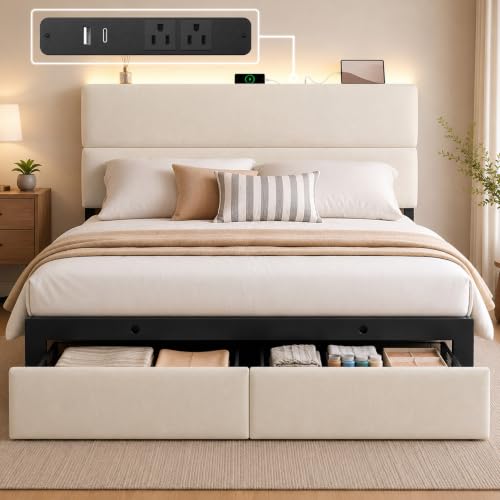
Storage Bed Frame: The Complete Buyer's Guide
Turn the space beneath your mattress into a functional, organized part of your bedroom. Learn how to choose the right storage bed frame for your room, your routine, and your long-term needs.
Explore the GuideWhy it matters: A storage bed frame does two jobs at once — it supports your mattress and it gives you usable storage without adding another piece of furniture. For anyone short on floor space, that combination is hard to beat. This guide walks you through the construction details, storage mechanisms, and practical considerations that separate a well-built frame from one you may regret later.
What Is a Storage Bed Frame?
A storage bed frame is a bed base with built-in storage integrated into its structure. Instead of a simple platform or box spring setup, the frame includes drawers, open cubbies, or a lift-up mattress platform that reveals a large compartment underneath. The goal is straightforward: recover the space beneath the bed, which is otherwise wasted, and put it to work holding clothing, linens, shoes, or seasonal items.
Storage bed frames come in many forms, from simple platform beds with two foot-end drawers to full captain's beds with drawer banks and shelving on both sides. The right choice depends on how much storage you need, how often you'll access it, and how much assembly and maintenance you're comfortable with.
Storage Bed Frame vs. Separate Storage Furniture
If you're comparing a storage bed against adding a separate storage chest with drawers or a freestanding dresser, there are trade-offs. A storage bed consolidates furniture, freeing floor space and reducing visual clutter. On the other hand, dedicated storage furniture can be moved independently, replaced more easily, and often offers more accessible drawer depth. Many bedrooms benefit from a combination: a storage bed for bulky or seasonal items and a solid wood chest of drawers for the bedroom for everyday clothing.
If your room is genuinely tight, a space-saving dresser paired with a storage bed frame can create a remarkably efficient layout without feeling cramped.
Types of Storage Bed Frames
Storage bed frames are typically grouped by how the storage is accessed. Each mechanism has practical implications for daily use, assembly, and long-term durability.
1. Drawer Storage Beds
These frames feature drawers built into the sides or foot end of the bed. Drawer storage beds are the most familiar option and work well in rooms where the bed isn't pushed flush against walls on all sides. Side drawers require clearance to open, so measure your room layout carefully — a bed placed against a wall may block one side entirely.
- Best for: Bedrooms with open space on at least one side of the bed.
- Typical construction: MDF or particle board with metal slides on entry-level models; solid wood with dovetail or reinforced drawer boxes on mid-range and premium models.
- Access: Easy for daily use; shallow drawers suit folded clothing and linens.
2. Lift-Up Platform Beds
Lift-up storage beds use gas struts to raise the entire mattress platform, revealing a large, uninterrupted compartment underneath. This design maximizes storage volume and suits bulky items like duffels, extra bedding, or out-of-season clothing. The trade-off is that you must clear the mattress surface of loose items before lifting.
- Best for: Storing large or bulky items; rooms where drawer clearance isn't available.
- Typical construction: Reinforced frame with gas struts; quality varies significantly between tiers.
- Access: Less frequent access is ideal — think seasonal rotation rather than daily retrieval.
3. Captain's Beds
Captain's beds combine drawer banks with open shelving, often on both sides or at the head end. They're common in kids' rooms and smaller bedrooms because they pack multiple storage types into one footprint. A captain's bed can function as a bed, dresser, and bookshelf simultaneously.
- Best for: Kids' rooms, guest rooms, and compact bedrooms needing multi-purpose furniture.
- Typical construction: Solid wood or engineered wood; look for reinforced drawer runners.
- Access: Shelves for display or books; drawers for clothing and small items.
4. Open-Cubby Platform Beds
These frames have open compartments beneath the mattress platform, accessible from the sides or foot. They're simpler in construction and often entry-level or mid-range in tier. Open cubbies work well for baskets, storage bins, or shoes, but they're less dust-protected than drawers.
- Best for: Budget-conscious buyers and rooms where quick-access storage is preferred.
- Typical construction: Engineered wood, metal, or mixed materials.
- Access: Quick and open; pair with labeled bins for tidiness.
Storage Bed Frame Comparison at a Glance
Use this comparison to match a storage mechanism to your room and routine. Descriptors below reflect relative market positioning, not absolute figures.
| Type | Best For | Access Style | Typical Tier Positioning |
|---|---|---|---|
| Drawer storage bed | Daily clothing and linen storage | Pull-out drawers (side or foot end) | Entry-level to premium |
| Lift-up platform bed | Bulky and seasonal items | Full platform lift on gas struts | Mid-range to luxury |
| Captain's bed | Kids' rooms and multi-use bedrooms | Drawers plus open shelving | Entry-level to mid-range |
| Open-cubby platform bed | Quick-access bins and baskets | Open compartments | Starter tier to mid-tier |
Materials and Construction: What to Look For
The frame's material determines durability, weight capacity, and how well the storage mechanism holds up over years of use. Storage bed frames carry more structural demands than simple platform beds because the storage cavities reduce the material available for support.
Solid Wood Frames
Solid wood — particularly oak, maple, walnut, and pine — offers the most durable construction for storage beds. Solid wood frames resist sagging and handle the repeated stress of drawers or lift mechanisms better than engineered alternatives. If longevity is your priority, look for a solid wood bedroom dresser or bed frame from a manufacturer that specifies the wood species and joinery.
Oak and walnut are at the higher end of the durability spectrum; pine is softer but still serviceable when properly reinforced. For a deeper comparison, see our guide on solid wood vs engineered wood.
Engineered Wood and MDF
Engineered wood frames — MDF, particle board, and plywood — dominate entry-level and mid-range storage beds. They're dimensionally stable and can be finished to look like solid wood, but they're more susceptible to moisture damage and screw pull-out over time. Reinforced corners and metal brackets improve longevity significantly. If you choose engineered wood, check for a sturdy center support rail and a slatted base that distributes weight evenly.
Metal Frames
Metal storage bed frames, often steel or aluminum, are durable and typically support higher weight capacities relative to their bulk. They're common in platform and lift-up designs. Look for powder-coated finishes to resist rust, and check that drawer slides or struts are rated for the frame's intended load. A steel dresser or metal storage companion can complement a metal bed frame stylistically.
Drawer Slides and Hardware
Drawer performance hinges on the slides. Entry-level beds often use basic roller slides; mid-range and premium beds use ball-bearing slides or soft-close mechanisms. For heavy loads, stainless steel heavy-duty drawer slides are the benchmark. If smooth, quiet drawer operation matters to you, prioritize beds that specify the slide type.
Lift Mechanism Quality
For lift-up beds, the gas struts are the critical component. Quality struts lift smoothly and hold the platform securely; inferior struts may sag or fail. Check the stated load rating and whether replacement struts are available. A well-built lift-up frame should raise with minimal effort and stay open without support.
Sizing and Fit: Measure Before You Buy
Storage bed frames add bulk beyond the mattress footprint. Drawers extend outward when opened, and lift-up frames need headroom clearance. Before choosing, measure your room and account for these dimensions.
Key Measurements
- Mattress size plus frame overhang: A storage frame is typically 2–6 inches wider and longer than the mattress.
- Drawer extension: Add the full drawer travel to the frame width on the side where drawers open.
- Lift-up clearance: Ensure enough vertical space above the mattress for the platform to raise fully.
- Door and hallway width: Flat-packed frames may arrive in multiple boxes; check delivery access.
Small Bedroom Considerations
In a compact bedroom, a storage bed frame can replace a dresser entirely. If you're working with tight dimensions, consider a small dresser for a small bedroom alongside a storage bed, or choose a frame with foot-end drawers that open into circulation space. Our small space dresser guide covers complementary storage strategies for limited floor plans.
For closets, a small chest of drawers for closet can absorb overflow that doesn't fit under the bed.
Practical Buying Tips
These tips help you avoid common mistakes when selecting a storage bed frame.
- Check the weight rating. Storage frames lose structural material to the storage cavity; confirm the stated load capacity covers your mattress plus occupants.
- Prioritize center support. A center rail or slat system prevents sagging, especially on larger sizes.
- Test the access. If drawers open toward a wall or a door swing, the storage becomes unusable. Map the room before ordering.
- Consider dust protection. Drawers keep contents cleaner than open cubbies; for open designs, use lidded bins.
- Review assembly requirements. Lift-up and drawer models can be complex. If assembly isn't your preference, look for models with professional delivery options.
- Match the finish to your existing furniture. A solid wood white dresser or solid oak dresser can tie the room together with a coordinated frame.
- Plan for ventilation. Mattresses need airflow; choose a slatted base rather than a solid deck where possible.
Storage Bed Frames for Different Rooms
Primary Bedrooms
In a primary bedroom, a storage bed frame is often paired with a full dresser setup. A storage dresser for bedroom plus a lift-up bed covers both daily clothing and seasonal overflow. If you prefer a coordinated look, a solid wood bedroom dresser set can match the frame's finish.
Guest Rooms and Small Bedrooms
Guest rooms benefit from storage beds because they're used intermittently, making lift-up access acceptable. Pair with a small dresser for bedroom to keep the space functional without crowding.
Kids' Rooms
Captain's beds are the classic choice for kids' rooms. They combine sleeping space with toy and clothing storage, and many models include shelving for books. Look for rounded edges and sturdy drawer stops. A solid wood crib and dresser set can coordinate with a child's storage bed as the room evolves.
Living Rooms and Multi-Use Spaces
In studio apartments or multi-use rooms, a storage bed frame can serve as the primary clothing storage. A storage dresser for living room handles shared items while the bed frame holds personal clothing.
Maintenance and Longevity
A storage bed frame is an investment in both sleep and organization. Basic maintenance keeps the mechanism working smoothly.
- Lubricate drawer slides annually with a silicone-based lubricant.
- Check gas struts for lift-up beds; replace if the platform no longer holds open.
- Tighten fasteners every few months, especially on engineered wood frames.
- Keep storage dry — avoid placing the bed against a damp wall, and use moisture absorbers in humid climates.
- Rotate the mattress according to the manufacturer's schedule to prevent uneven wear.
Ready to Maximize Your Bedroom Space?
Explore our recommended storage bed frames and compatible bedroom storage below. Compare features and find the setup that fits your room.
View RecommendationsFrequently Asked Questions
What is a storage bed frame?
A storage bed frame is a bed base that incorporates built-in storage, typically drawers beneath the mattress, a lift-up mechanism, or open cubbies, allowing you to use the space under the bed for clothing, linens, or other items.
What are the main types of storage bed frames?
The most common types are drawer storage beds (side or foot-end drawers), lift-up platform beds (the entire mattress platform raises on gas struts), captain's beds (drawers plus shelving), and open-cubby platform beds.
How much weight can a storage bed frame support?
Weight capacity depends on construction and material. Mid-range and premium solid wood or reinforced metal frames typically support higher loads than entry-level particle board frames. Always check the manufacturer's stated weight rating before purchase.
Do storage bed frames require assembly?
Most storage bed frames ship flat-packed and require assembly. Lift-up and drawer models can be more involved than simple platform beds. Some premium models offer professional delivery and setup.
Is a storage bed frame good for small bedrooms?
Yes. Storage bed frames are especially effective in small bedrooms because they convert unused under-bed space into functional storage, reducing the need for additional furniture such as a separate dresser or chest.
Final Thoughts
A storage bed frame is one of the most efficient furniture decisions you can make in a bedroom. It solves two problems at once — sleeping support and storage — and it does so without consuming additional floor space. The key is matching the mechanism to your routine: drawers for daily access, lift-up for bulky items, and captain's beds for multi-purpose rooms.
Before you buy, verify the construction tier, measure your room for drawer or lift clearance, and confirm the weight rating. If you're furnishing a full bedroom, pair your storage bed with a compatible solid wood dresser or a small chest of drawers to complete the setup. With the right frame, your bedroom becomes both more comfortable and more organized.