Tall Changing Table: The Complete Buyer's Guide
Everything you need to know about choosing a tall changing table that combines nursery safety, ergonomic comfort, and smart vertical storage for your baby's room.
START THE GUIDEWhy a tall changing table? A tall changing table elevates the changing surface to a comfortable working height, reducing back and shoulder strain during frequent diaper changes. Unlike standard low-profile units, tall models stack drawers vertically — giving you more storage without eating up precious floor space in a nursery or small bedroom.
What Is a Tall Changing Table?
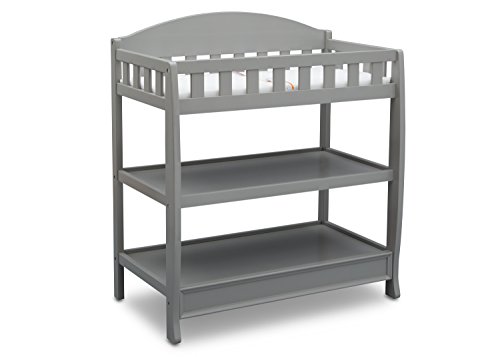
A tall changing table is a nursery furniture piece that combines a raised changing surface with vertical drawer storage. Most models stand between 36 and 44 inches high, placing the changing pad at a comfortable waist level for most caregivers. Below the changing area, you will typically find three to five drawers, open shelves, or a combination of both.
This design solves two nursery challenges at once: it provides a dedicated, safe spot for diaper changes and it maximizes storage in a footprint that is often no larger than a standard dresser. Many tall changing tables are designed to convert into a regular tall dresser once the baby outgrows the changing surface — making them a long-term investment rather than a short-lived baby item.
Why Choose a Tall Changing Table?
Parents and caregivers often discover that a tall changing table offers practical advantages that standard-height units cannot match. Here are the main benefits:
- Ergonomic comfort: A raised surface means less bending and stooping, which is especially important during the postpartum recovery period and for taller caregivers.
- Vertical storage efficiency: Drawers stack upward instead of outward, so you get more storage per square foot of floor space — ideal for small nurseries and shared bedrooms.
- Long-term usability: Convertible models transition into a tall dresser for older children, extending the furniture's useful life well beyond the diaper years.
- Organized diaper station: Multiple drawers keep diapers, wipes, creams, and clothing within arm's reach, reducing the need to leave the baby unattended.
- Space-saving footprint: A tall unit fits into narrow wall spaces and corners where a wide dresser would not fit.
Key Features to Consider Before Buying
Not all tall changing tables are built to the same standard. When researching your options, pay close attention to the following features — they separate a safe, durable piece from one that may not hold up to daily nursery use.
1. Safety Features
Safety should be the first filter in your buying decision. Look for a raised rim or contoured edges on all four sides of the changing surface, a safety strap with a secure buckle, and a surface that accepts a standard contoured changing pad. Anti-tip hardware is essential for any tall furniture in a nursery — secure the unit to the wall with the included strap or bracket. Avoid models with sharp corners or gaps where a baby could become entrapped.
2. Height and Ergonomics
Measure the height of the primary caregiver before choosing. As a general rule, the changing surface should sit at roughly waist level. If the table is too low, you will bend excessively; if it is too high, you may struggle to reach the baby safely. Most tall changing tables fall in the 36–44 inch range, which suits average-height adults comfortably.
3. Drawer Configuration and Storage
Think about how you will actually use the storage. Deep lower drawers work well for blankets, swaddles, and extra bedding, while shallow upper drawers are ideal for diapers, wipes, and small clothing items. Some models include a combination of drawers and open shelves — open shelves are convenient for frequently accessed items but can look cluttered if not organized. Consider whether the drawer glides are metal or plastic; metal slides with a smooth, full-extension mechanism generally offer more durability for daily use.
4. Material and Construction
Solid wood construction — particularly oak, pine, or maple — tends to be more durable than engineered wood, though high-grade engineered wood with a sturdy frame can also perform well. Look for dovetail or reinforced drawer joints, a stable base, and a finish that is easy to wipe clean. If you are concerned about indoor air quality, choose models with low-VOC or water-based finishes.
5. Convertibility
Many tall changing tables include a removable changing top. Once the baby is out of diapers, you simply remove the top and the unit becomes a tall dresser. This feature makes the furniture a worthwhile long-term investment for the nursery and beyond. Check whether the conversion is tool-free and whether the dresser retains the same drawer layout.
6. Assembly and Stability
Read reviews about assembly difficulty and wobble. A tall unit with a narrow base can feel unstable if not properly engineered. Look for models with a wide, sturdy base and include the anti-tip strap in your installation plan. If assembly looks complex, factor in the time and tools required.
Tall Changing Table Tier Comparison
To help you orient yourself in the market, here is a comparison of the main product tiers you will encounter. Instead of focusing on numeric figures, this table describes the relative position of each tier and what it typically offers.
| Tier | Best For | Typical Construction | Storage Features |
|---|---|---|---|
| Entry-level | Short-term nursery use, secondary changing station | Engineered wood with laminate finish; basic hardware | 2–3 drawers; open shelf; simpler glide mechanism |
| Mid-range | Primary nursery, daily use, convertibility | Solid wood frame with engineered panels; metal glides | 3–4 drawers; full-extension slides; removable changing top |
| Premium | Long-term investment, design-conscious nurseries | Solid hardwood; dovetail joints; low-VOC finish | 4–5 drawers; soft-close glides; convertible design |
| Luxury | High-end nursery, heirloom-quality furniture | Premium hardwood; hand-finished details; reinforced frame | Generous drawer layout; custom hardware; seamless conversion |
Pros and Cons of a Tall Changing Table
Advantages
- Reduces caregiver back strain with a waist-height surface
- Maximizes storage in a compact footprint
- Convertible models grow with your child
- Keeps diaper supplies organized and within reach
- Fits narrow wall spaces and small nurseries
Limitations
- Taller units require secure wall anchoring
- May be too high for shorter caregivers
- Top-heavy design demands a stable base
- Deep lower drawers can be harder to reach when bending
- Convertible models may command a higher tier position
How to Choose the Right Tall Changing Table
Follow this step-by-step approach to narrow down your options and make a confident decision:
- Measure your space: Confirm the available wall length and clearance for drawer pull-out. A tall unit is narrow, but you still need room to open drawers fully.
- Check the height against the primary caregiver: Aim for a changing surface at roughly waist level. If two caregivers of very different heights will share the duty, prioritize a height that works for the person who changes diapers most often.
- Decide on convertibility: If you want the furniture to serve beyond the baby years, look for a removable changing top that reveals a standard tall dresser underneath. Pair it with a matching nursery dresser or a tall nursery dresser if you need additional storage in the room.
- Evaluate drawer layout: Match drawer depth and count to your storage needs. Deep drawers suit bedding and clothing; shallow drawers suit diapering supplies. A clothes drawer organizer can help keep smaller items tidy.
- Prioritize safety hardware: Confirm the unit includes an anti-tip strap, a safety belt, and a contoured pad. If you are also setting up a crib, a crib and dresser set in natural wood can provide a coordinated look.
- Consider the material: Solid wood offers durability; engineered wood can be a practical option at the entry level. Review the solid wood dresser buying guide for a deeper look at construction quality.
- Plan for the transition: If you choose a convertible model, think about how the dresser will function in a toddler or older child's room. A small changing table with drawers can later serve as a compact dresser in a small bedroom.
Safety Tips for Using a Tall Changing Table
Height adds convenience, but it also demands discipline. Follow these safety practices every time you use the table:
- Always use the safety strap and keep one hand on your baby at all times.
- Never leave a baby unattended on the changing surface, even for a moment.
- Secure the unit to the wall using the anti-tip hardware — this is non-negotiable for tall furniture.
- Keep diapering supplies within arm's reach so you never have to step away.
- Place the table on a level floor and check stability regularly.
- Remove the changing pad and top once your child can roll over or stand, and transition to the dresser configuration.
Organizing Your Tall Changing Table
A well-organized tall changing table turns diaper changes into a smooth, one-handed operation. Use the vertical drawer stack to create zones:
- Top drawer: Diapers, wipes, rash cream, and a changing pad liner — everything you need for the change itself.
- Second drawer: Onesies, socks, and bibs for quick changes.
- Third drawer: Sleepers, swaddles, and burp cloths.
- Lower drawers: Extra bedding, blankets, and out-of-season clothing.
- Open shelves (if present): A small basket for laundry or a bin for toys.
Pair the table with a nursery wardrobe set if you need hanging space for larger items, or add a white changing table with drawers as a second station in a larger nursery.
Ready to Find Your Tall Changing Table?
Explore our recommended tall changing tables and nursery storage solutions below. Compare features, check availability, and choose the model that fits your space and safety needs.
VIEW RECOMMENDATIONSFrequently Asked Questions
What height is considered a tall changing table?
A tall changing table typically stands between 36 and 44 inches high. This height reduces caregiver back strain while providing ample vertical storage below the changing surface.
Is a tall changing table safe for a baby?
Yes, when it includes safety features such as a contoured changing pad, safety straps, and a raised rim on all four sides. Always keep one hand on your baby and never leave them unattended, regardless of table height.
How much storage does a tall changing table offer?
Most tall models include three to five drawers or a combination of drawers and open shelves. The vertical design maximizes storage capacity without consuming extra floor space.
Can a tall changing table be converted for older children?
Some models feature a removable changing top that converts the unit into a standard tall dresser once the baby outgrows the changing surface, extending the furniture's useful life.
Do I need a changing pad for a tall changing table?
Yes. Use a contoured changing pad that fits the surface securely. Many tables include a pad, but you can also purchase one separately. Ensure the pad has a safety strap and is wipeable.