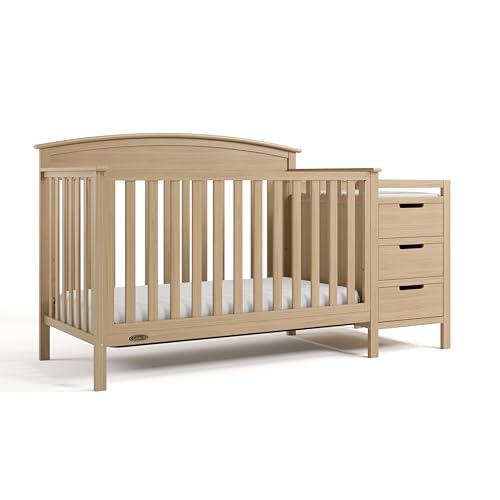
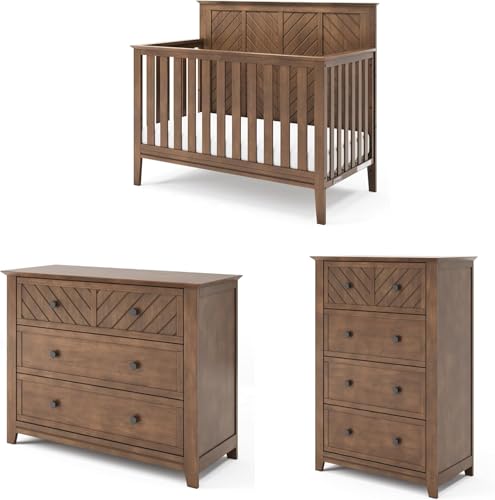
Crib and Dresser Set in Natural Wood: The Complete Guide
Everything you need to know about choosing a coordinated natural wood crib and dresser set for a safe, beautiful, and long-lasting nursery.
Start the GuideWhy a matching natural wood set makes sense: A coordinated crib and dresser set simplifies nursery planning, ensures consistent finishes, and often represents a smarter long-term investment than buying mismatched pieces separately. This guide walks you through materials, safety standards, sizing, and styling so you can decide with confidence.
Why Choose Natural Wood for a Nursery Set?
Natural wood furniture has a timeless appeal that works across nursery themes, from Scandinavian minimalism to warm farmhouse style. Beyond aesthetics, solid wood offers practical benefits that matter in a baby's room. Unlike engineered panels wrapped in veneer, solid wood pieces can often be sanded and refinished, extending their lifespan through toddler years and beyond. A well-constructed natural wood set can transition from nursery to guest room or child's bedroom without looking out of place.
From a health perspective, natural wood finished with water-based, low-VOC coatings is generally preferred for nurseries because it minimizes off-gassing. Always confirm the finish is non-toxic and compliant with current safety regulations before placing the furniture in your baby's room. If you want a broader overview of materials, our materials and finishes guide covers wood species and finish types in detail.
Timeless Aesthetic
Natural grain tones pair effortlessly with any color palette and nursery theme, reducing the need to redecorate as your child grows.
Durable Construction
Solid wood frames and reinforced drawer boxes handle daily use better than thin engineered panels, especially in high-traffic nurseries.
Refinishable Surface
Light sanding and re-oiling can refresh natural wood years later, giving the set a second life instead of sending it to landfill.
Coordinated Look
A matched set guarantees consistent wood tone, hardware, and finish, which is hard to replicate when buying pieces separately.
What's Typically Included in a Crib and Dresser Set?
Most natural wood crib and dresser sets bundle two core pieces: a convertible crib and a matching dresser. Some sets add a nightstand, changing tray, or toddler rail. Understanding what is included helps you compare options fairly and avoid surprise add-on purchases later.
The Convertible Crib
A convertible crib is the centerpiece of most sets. It starts as a standard crib and can be adapted into a toddler bed, daybed, or full-size bed using conversion kits. Entry-level sets sometimes sell the toddler rail separately, while mid-range and premium sets often include it. Confirm the conversion options before you buy, because this directly affects how many years you will use the piece. For a related format that emphasizes compact storage, our guide to a light wood crib and dresser set explores lighter-toned alternatives.
The Matching Dresser
The dresser in a nursery set usually doubles as a changing station when paired with a contoured changing pad and safety strap. Three to six drawers is the typical range, with deeper bottom drawers for blankets and bedding. Soft-close drawer glides are a worthwhile upgrade because they reduce pinch risk and noise during naps. If you need extra capacity, consider a dedicated natural wood changing table dresser that combines both functions in one footprint.
Optional Add-Ons
Some collections include a nightstand, bookcase, or guard rail. A matching nightstand is useful for a nursing chair setup, while a small bookcase supports early literacy routines. These extras are convenient but not essential, so prioritize crib safety and dresser stability first.
Understanding Natural Wood Materials and Finishes
Not all "natural wood" furniture is created equal. The label can describe solid hardwood, solid softwood, or engineered wood with a wood-grain veneer. Knowing the difference helps you judge durability and expected lifespan within each tier.
| Material Type | Typical Tier | Best For |
|---|---|---|
| Solid hardwood (maple, oak, beech, birch) | Premium to high-end tier | Long-term daily use and refinishing |
| Solid softwood (pine, rubberwood) | Mid-tier | Warm natural look with lighter weight |
| Engineered wood with veneer | Entry-level to mid-range | Stable panels with a consistent grain pattern |
| Bamboo | Mid-range | Eco-conscious buyers wanting a dense, hard surface |
For the finish, prioritize water-based, low-VOC coatings and non-toxic paints. Greenguard Gold certification is a useful benchmark because it screens for volatile organic compounds in nursery furniture. If you are comparing wood species across the site, our cedar dresser guide and maple dresser overview show how different woods behave in practice.
Safety Standards You Must Verify
Safety is non-negotiable in a nursery. Before buying any crib or dresser, confirm the following:
- Crib compliance: The crib should meet CPSC and ASTM F1169 standards, including fixed-side or compliant drop-side construction and slat spacing no wider than 2 3/8 inches.
- Firm mattress fit: The mattress should fit snugly with no more than two fingers of gap between the mattress and crib sides.
- Anti-tip anchoring: Every dresser must be anchored to the wall with the supplied anti-tip kit. This is critical once your child begins pulling up and climbing.
- Non-toxic finish: Confirm the finish is water-based and low-VOC, ideally with a recognized third-party certification.
- Stable drawer operation: Drawers should glide smoothly without excessive wobble, and all hardware should be fully tightened at assembly.
- No sharp edges or exposed fasteners: Inspect joints, corners, and hardware for anything a small hand could catch on.
If you want a deeper safety-oriented walkthrough, our complete dresser buying guide covers stability testing and assembly checks in more detail.
Sizing the Set for Your Nursery
Measure twice before ordering. The crib and dresser need to fit the room with enough clearance to open drawers fully and move safely around the space.
Crib Dimensions
Standard cribs are approximately 28 inches wide by 52 inches long. Leave at least 12 inches between the crib and any wall or furniture for airflow and easy sheet changes. Position the crib away from windows, blinds, and hanging cords.
Dresser Dimensions
A dresser between 30 and 50 inches wide fits most nurseries comfortably. The top surface should sit at a height that lets you change a diaper without bending awkwardly, typically around 36 to 40 inches. Ensure at least 24 inches of clearance in front of the dresser so drawers can open fully. For compact layouts, a small chest of drawers for the nursery can supplement storage without crowding the room.
Future-Proofing
Think beyond the first year. A convertible crib with a toddler rail and a dresser that can move to a guest room later will give you more years of use. If your set includes a changing tray, confirm it can be removed without leaving hardware behind.
Styling a Natural Wood Nursery Set
Natural wood is a flexible foundation. Here are practical styling directions that keep the room cohesive without overpowering the wood grain:
- Scandinavian calm: Pair the set with soft whites, warm grays, and woven baskets. Keep hardware minimal and add a wool rug for texture.
- Warm farmhouse: Layer in linen curtains, a quilted rocking chair, and subtle greenery. Choose brass or matte black hardware for contrast.
- Modern minimal: Use a neutral palette with one accent color, and keep the dresser top nearly clear except for a soft lamp and a single framed print.
- Boho nursery: Add a rattan pendant, a textured pouf, and layered textiles in earthy tones to complement the natural grain.
If you are still deciding on the dresser portion, our natural wood crib and dresser set overview covers configuration options in more depth.
Organizing the Dresser for Nursery Life
A nursery dresser fills up quickly. A simple system keeps it functional:
- Top drawer: Diapers, wipes, and changing essentials within arm's reach of the changing pad.
- Middle drawers: Onesies, sleepers, and burp cloths, folded vertically so you can see everything at a glance.
- Bottom drawer: Extra bedding, blankets, and out-of-season clothing in labeled bins.
- Drawer dividers: Use dividers to separate sizes and categories, which makes middle-of-the-night changes much faster.
For a full system, see our dresser organization guide.
Comparing Set Tiers at a Glance
Use this tier comparison to align features with your priorities. Tiers reflect relative market positioning, not specific figures.
| Tier | Typical Construction | Best For |
|---|---|---|
| Entry-level | Engineered panels with veneer, basic glides, crib sold with limited conversions | Short-term nursery setup with straightforward assembly |
| Mid-range | Solid softwood or mixed construction, soft-close glides on select drawers, toddler rail often included | Balanced tier with good durability and full conversion options |
| Premium | Solid hardwood frames, dovetail or reinforced drawer boxes, full conversion kit included | Long-term use across multiple children and rooms |
| Luxury | Select hardwood, hand-finished surfaces, premium hardware, full collection options | A legacy set intended to stay in the family |
A common pattern is that mid-range models often include soft-close glides that entry-level sets lack, while premium sets typically add dovetail joinery and thicker drawer bottoms. Decide which features matter most for your household before comparing options.
Frequently Asked Questions
Is a natural wood crib and dresser set safe for my baby?
Yes, when it meets current safety standards. Look for cribs that comply with CPSC and ASTM F1169 requirements, use a firm mattress that fits snugly, and ensure the dresser is anchored to the wall with the included anti-tip kit. Natural wood finishes should be non-toxic and low-VOC.
What wood species are best for a natural wood nursery set?
Solid woods like maple, birch, oak, and beech are excellent choices because they are durable and hold up well to daily use. Pine and rubberwood are common mid-tier options that offer a warm natural look. Always confirm the finish is water-based and non-toxic.
How do I choose the right dresser size for a nursery?
A dresser between 30 and 50 inches wide works well in most nurseries. Ensure the top surface is at a comfortable height for diaper changes, and leave at least 24 inches of clearance in front of drawers. Anchor the dresser to the wall regardless of size.
Can the crib convert into a toddler bed?
Many convertible cribs include a toddler rail or conversion kit that extends the life of the set well beyond infancy. Check whether the conversion kit is included or sold separately, and confirm the set you choose offers this flexibility if you want long-term use.
Ready to Compare Natural Wood Sets?
Browse curated crib and dresser sets in natural wood, compare features by tier, and check availability from trusted retailers.
Explore Recommended Sets