Loft Bed with Dresser: The Ultimate Space-Saving Storage Solution
Maximize every square foot of your bedroom with a loft bed that combines a raised sleeping platform and built-in dresser storage. Perfect for small bedrooms, dorm rooms, apartments, and guest spaces.
EXPLORE THE GUIDEWhy a loft bed with dresser? A loft bed with dresser turns unused vertical space into functional storage. Instead of sacrificing floor area to a separate dresser, you place clothing storage directly beneath the sleeping platform — creating a compact, organized bedroom that feels larger and works harder.
What Is a Loft Bed with Dresser?
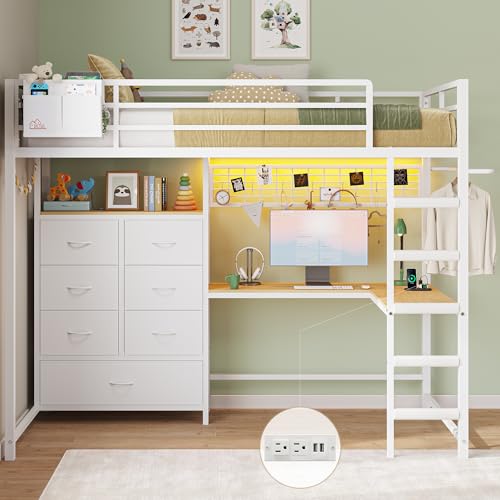
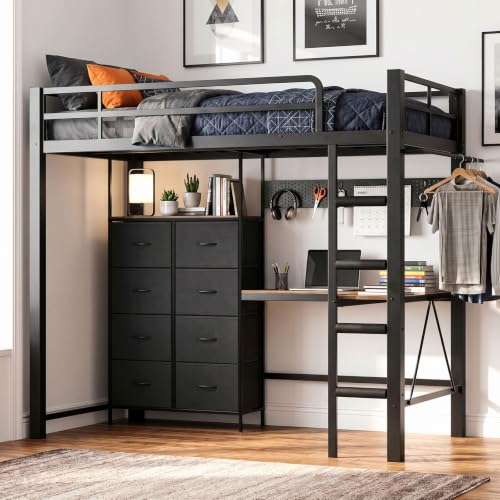
A loft bed with dresser is a raised bed frame that elevates the sleeping surface and uses the space underneath for a dresser, chest of drawers, or combined storage unit. Unlike a standard bunk bed, a loft bed is typically a single sleeping platform raised high enough to create a usable zone below — and that zone is where the dresser lives.
This configuration is especially valuable in bedrooms where floor space is limited. The dresser can be built into the frame, positioned directly underneath, or placed alongside the ladder or stairs. Many designs also combine the dresser with a desk, shelving, or a small seating nook, making the loft bed a true multi-function furniture piece.
If you are still deciding between storage styles, our guide to loft beds with dresser underneath explains the clearance and layout considerations in detail. For bedrooms that need a workspace too, explore the loft bed with desk and dresser configuration.
Key Benefits of a Loft Bed with Dresser
Choosing a loft bed with integrated dresser storage delivers several practical advantages that go beyond simple furniture arrangement:
- Vertical space utilization: The sleeping area moves up, and the dresser moves in below — doubling the function of the same footprint.
- Built-in organization: Clothing, linens, and accessories have a dedicated home directly beneath the bed, reducing clutter and simplifying daily routines.
- Small-room efficiency: Ideal for studio apartments, dorm rooms, guest bedrooms, and children's rooms where every inch matters.
- Design flexibility: Options range from entry-level metal frames to premium solid-wood designs with integrated stairs, desks, and shelving.
- Long-term versatility: Many adult-rated models support heavier weight capacities and remain useful through different life stages.
For adults who want the storage benefits without a child-oriented design, see our dedicated guide to loft beds with dresser for adults.
Types of Loft Beds with Dresser Storage
Loft bed designs vary by access method, dresser placement, and intended user. The most common configurations include:
| Configuration | Best For | Key Consideration |
|---|---|---|
| Loft bed with dresser underneath | Small bedrooms, dorms, apartments | Confirm drawer clearance and dresser height |
| Loft bed with dresser and stairs | Children's rooms, safer access | Stairs occupy more floor area than a ladder |
| Loft bed with desk and dresser | Students, work-from-home setups | Balance desk and dresser space beneath the bed |
| Low loft bed with dresser | Younger children, lower ceilings | Lower platform height, reduced storage clearance |
| Adult loft bed with dresser | Teens, adults, guest rooms | Higher weight rating and sturdier frame required |
Stair-access models are popular for families because they are easier and safer to climb than vertical ladders. Explore the loft bed with dresser and stairs option if safety and accessibility are priorities. For rooms with lower ceilings or younger users, a low loft bed with dresser underneath offers a more approachable height. And if the dresser needs to share space with a study area, the loft bed with desk and dresser layout is worth considering.
Loft Bed with Dresser Buying Guide
Before choosing a model, work through these practical criteria to make sure the loft bed fits your room, your storage needs, and the people who will use it.
1. Measure Your Room and Ceiling Height
The sleeping platform height plus the mattress thickness must leave enough headroom for the person using the bed. A typical loft bed requires a ceiling height of at least 8 feet to sit up comfortably. Also measure the floor area beneath the bed to confirm the dresser will fit without blocking walkways or doors.
2. Check Dresser Clearance
Drawers need room to open. Most dressers require 30 to 36 inches of clearance in front. If the dresser sits directly beneath the loft bed, verify that the drawer fronts clear the frame and any support legs. A loft bed with dresser underneath works best when the frame height is matched to the dresser depth.
3. Choose the Right Size
Loft beds are commonly available in twin, twin-over-full, and full sizes. Twin is the most space-efficient; full offers more sleeping room for adults and teens. The dresser width should match or be slightly narrower than the bed frame to keep the footprint compact.
4. Evaluate Frame Strength and Weight Rating
Look for reinforced metal frames, solid-wood construction, or heavy-duty engineered wood. Adult-rated models typically publish a weight capacity — check this before buying, especially for teen or adult use. Entry-level frames may be suitable for lighter users, while mid-range and premium models offer sturdier construction and smoother assembly.
5. Consider Access and Safety
Ladders are space-efficient but steeper; stairs are easier and safer but take up more floor area. Guardrails on the upper platform are essential, particularly for children. For younger users, a low loft bed with desk and dresser keeps the sleeping surface closer to the floor.
6. Match the Dresser to Your Storage Needs
Drawer count and depth matter. A three-drawer dresser suits light storage; four to six drawers handle fuller wardrobes. Deep drawers work well for bulky items, while shallow drawers suit folded clothing and accessories. The dresser should complement the bed's finish and hardware for a cohesive look.
Pro tip: If you plan to place a separate dresser beneath a loft bed rather than using a built-in unit, choose a low-profile model. A low-profile dresser for bedroom preserves headroom and keeps the space beneath the bed open and usable.
Design Ideas for Loft Bed with Dresser Spaces
A loft bed with dresser is more than storage — it is an opportunity to design a compact, functional room. Consider these layout and styling approaches:
Create a Dressing Nook
Position the dresser beneath the loft bed and add a mirror, a small stool, and a wall-mounted light to turn the area into a mini dressing station. A long narrow dresser fits neatly along one side, while a large dresser can anchor the storage zone in a larger footprint.
Combine Sleep, Study, and Storage
In student rooms and home offices, a loft bed with desk and dresser creates three functional zones in one compact area. Place the desk on one side beneath the bed and the dresser on the other, or use a corner layout with an L-shaped dresser for efficient storage.
Keep the Palette Light and Open
Light finishes make small rooms feel airier. A light wood dresser or light gray dresser beneath a white or natural-wood loft bed keeps the space visually open. For a bolder look, a black dresser adds contrast and definition.
Use Vertical and Hidden Storage
Maximize the area beneath the loft bed with drawers, baskets, and shelving. A large capacity dresser handles full wardrobes, while a lingerie dresser keeps smaller items organized. For seasonal clothing, combine the dresser with labeled bins stored behind the bed frame.
Style the Space Above and Around
Add a small rug, a clip-on reading light, and wall art to make the area beneath the loft bed feel intentional. Keep the dresser top uncluttered with a tray for daily essentials. For more inspiration on arranging storage furniture in living areas, see our living room dresser ideas.
Safety, Assembly, and Maintenance Tips
A loft bed with dresser is a substantial piece of furniture, and proper installation is essential for safety and longevity.
Assembly Best Practices
- Follow the manufacturer's instructions exactly, especially for frame bracing and guardrail attachment.
- Use wall anchoring hardware where provided — loft beds are tall and benefit from additional stability.
- Assemble on a level surface and re-check all bolts after the first week of use.
- If the dresser is separate, secure it to the wall or frame to prevent tipping.
Ongoing Maintenance
- Periodically tighten bolts and screws, especially on ladder rungs and stair treads.
- Inspect drawer slides and handles for wear; lubricate metal slides as needed.
- Keep the area beneath the bed clear of tripping hazards.
- Check weight limits and avoid overloading the upper platform or dresser drawers.
Safety note: For children, always use guardrails on all open sides of the upper platform and choose a stair-access model where possible. Adult users should confirm the frame's published weight capacity before purchase.
Related Loft Bed and Dresser Guides
Explore these related configurations and storage guides to find the layout that fits your room:
Frequently Asked Questions
What is a loft bed with dresser?
A loft bed with dresser is a raised sleeping platform that integrates a dresser underneath or alongside it. It combines vertical sleeping space with built-in clothing storage, maximizing floor area in small bedrooms, dorms, and apartments.
Is a loft bed with dresser safe for adults?
Yes. Adult-rated loft beds with dressers are designed with reinforced frames, higher weight capacities, and secure guardrails. Always check the manufacturer's weight rating and follow assembly instructions carefully.
How much clearance do I need under a loft bed with dresser?
Most dressers need at least 30 to 36 inches of clearance to open drawers comfortably. Measure the dresser height plus drawer extension before choosing a loft bed frame, and confirm the platform height leaves enough headroom above the mattress.
Can a loft bed with dresser fit in a small bedroom?
Yes. A loft bed with dresser is specifically designed for compact rooms, using vertical space to free up floor area. Twin and twin-over-full sizes work well in small bedrooms, dorm rooms, and studio apartments.
Should I choose a loft bed with stairs or a ladder?
Ladders are more space-efficient, while stairs are easier and safer to climb, making them a better choice for children and anyone who prefers stable access. Stair-access models take up more floor area, so measure your room before deciding.
Can I place my own dresser under a loft bed?
Yes, provided the dresser height and drawer clearance fit beneath the frame. Choose a low-profile dresser to preserve headroom, and secure the dresser to the wall or frame to prevent tipping.
Final Thoughts
A loft bed with dresser is one of the most practical furniture solutions for small bedrooms, dorm rooms, and apartments. It turns vertical space into usable storage, keeps clothing organized directly beneath the sleeping area, and frees up floor space for living and moving comfortably.
When choosing a model, prioritize frame strength, dresser clearance, safe access, and a size that fits your room. Whether you choose a compact loft bed with dresser underneath, a family-friendly loft bed with dresser and stairs, or a multi-function loft bed with desk and dresser, the right configuration will transform a cramped bedroom into an organized, efficient space.