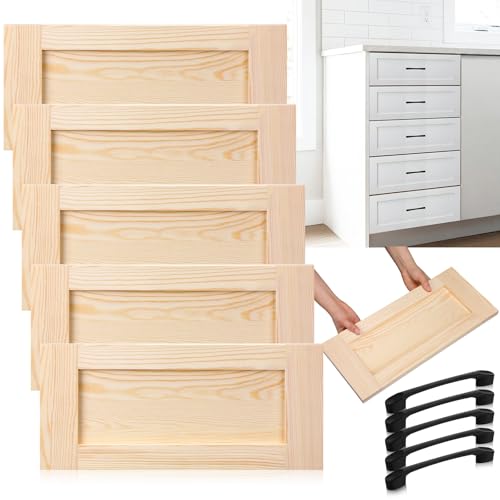
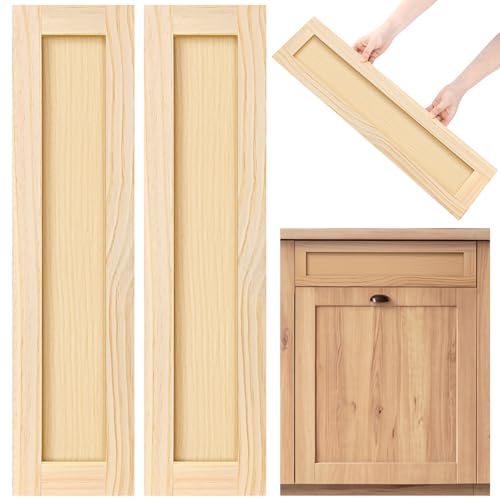
Kitchen Replacement Doors and Drawer Fronts
Refresh your kitchen without a full remodel. Learn how replacement doors and drawer fronts can transform your cabinetry, what materials and styles to consider, and how to plan a successful upgrade.
Explore the GuideWhy consider replacement doors and drawer fronts? If your kitchen cabinet boxes are structurally sound but the doors and drawer fronts look dated, replacement fronts offer a practical way to update the room's appearance. This approach lets you keep the existing layout and framework while changing the visible style, color, and material of your cabinetry.
What Are Kitchen Replacement Doors and Drawer Fronts?
Kitchen replacement doors and drawer fronts are new exterior panels designed to fit over your existing cabinet boxes and drawer boxes. Unlike a full cabinet replacement, which involves removing and reinstalling the entire cabinetry system, this approach replaces only the visible face of your kitchen storage.
The concept is straightforward: the cabinet box — the structural frame that holds shelves and supports the countertop — typically remains in good condition for decades. The doors and drawer fronts, however, endure daily wear and can fall out of style. By replacing just these components, you can achieve a refreshed look while preserving the integrity of the original installation.
This approach is related to broader kitchen cabinet replacement doors and drawers projects, where homeowners update the full visible face of their cabinetry. It also connects to kitchen doors and drawer fronts selection, which covers style and material choices for the entire kitchen.
When Should You Consider Replacement Doors and Drawer Fronts?
Replacement fronts make the most sense when the underlying cabinet structure is solid. Here are common scenarios where this approach delivers strong results:
- Outdated style: The doors and drawer fronts look dated, but the cabinet boxes are sturdy and well-installed.
- Surface wear: The finish is chipped, peeling, or faded, yet the frames and boxes remain structurally sound.
- Layout satisfaction: You like the current kitchen layout and do not want to reconfigure the space.
- Color or material change: You want a different finish, such as painted white, natural wood, or a modern matte surface.
- Partial refresh: You want to update the most visible elements — the fronts — without the disruption of a full remodel.
If the cabinet boxes are water-damaged, warped, or poorly constructed, replacement fronts alone may not be the right solution. In those cases, a more comprehensive approach to kitchen cabinet doors and drawers may be necessary.
Materials for Replacement Doors and Drawer Fronts
The material you choose affects durability, appearance, maintenance, and how the fronts perform in a humid kitchen environment. Here is a comparison of common options:
| Material | Best For | Characteristics |
|---|---|---|
| Solid Wood | Traditional and premium kitchens | Durable, refinishable, natural grain; requires periodic sealing in humid areas |
| MDF (Medium-Density Fiberboard) | Painted finishes and modern slab styles | Smooth surface, stable, takes paint well; not ideal for direct water exposure |
| Plywood | Structural strength and moisture resistance | Strong, resists warping better than MDF; visible edges require edge banding |
| Thermofoil | Clean, uniform finishes | Seamless surface, easy to clean; can peel in high-heat areas over time |
When selecting materials, consider the humidity levels in your kitchen, the amount of direct sunlight the fronts receive, and how much maintenance you are comfortable with. A kitchen cabinet drawer replacement project that focuses on drawer fronts may prioritize materials that resist wear from frequent handling.
Popular Styles for Replacement Doors and Drawer Fronts
The style of your replacement fronts determines the overall character of the kitchen. Here are the most common options:
- Slab (flat-panel): A clean, minimalist look with no decorative framing. Well-suited to modern and contemporary kitchens.
- Shaker: A recessed center panel with a simple frame. Versatile and works across traditional, transitional, and modern styles.
- Raised panel: A center panel that protrudes above the frame. Common in traditional and classic kitchens.
- Beadboard: Vertical grooves in the center panel. A good fit for cottage, farmhouse, and country styles.
- Glass-front: A framed door with a glass insert. Useful for display storage and lightening a heavy kitchen design.
Drawer fronts typically follow the same style language as the doors. A kitchen drawer face replacement that matches the door style creates a cohesive look, while a deliberate contrast can add visual interest in modern designs.
How to Measure for Replacement Doors and Drawer Fronts
Accurate measurement is the foundation of a successful replacement project. Follow these steps:
- Measure each door individually: Record the width and height of every door. Do not assume that all doors in a kitchen are the same size.
- Measure each drawer front individually: Note the width and height of every drawer face. Drawer fronts often vary in height across a stack.
- Identify the overlay type: Determine whether your cabinets are full overlay, standard overlay, or inset. This affects how the replacement fronts fit and how much of the cabinet box is visible.
- Note hinge type and placement: Record the hinge style (European concealed, exposed, etc.) and the boring pattern on the door. Replacement doors may need matching hinge holes.
- Check drawer front attachment: Note how the drawer front attaches to the drawer box (screws from inside, decorative hardware, etc.). This informs the replacement process.
If you are replacing only drawer fronts, the process relates to kitchen drawer face replacement, which focuses specifically on the drawer face component.
Replacement Doors vs. Drawer Fronts: Key Differences
While doors and drawer fronts share visual style, they function differently and involve distinct replacement considerations:
| Aspect | Replacement Doors | Replacement Drawer Fronts |
|---|---|---|
| Function | Cover cabinet openings; swing on hinges | Attach to drawer boxes; slide with the drawer |
| Hardware | Hinges and pulls | Pulls and mounting screws |
| Measurement focus | Width, height, hinge boring pattern | Width, height, mounting hole spacing |
| Typical wear points | Hinge edges, lower corners | Pull area, top edge |
Many homeowners choose to replace both at the same time for a consistent look. However, replacing drawer fronts first can be a practical starting point when the drawer faces show the most visible wear. For a deeper look at the relationship between the two, see kitchen doors and drawer fronts.
The Replacement Process: What to Expect
Replacing doors and drawer fronts is less disruptive than a full cabinet remodel, but it still requires planning. Here is a general outline:
- Assessment: Inspect the cabinet boxes, hinges, and drawer boxes to confirm they are sound and suitable for reuse.
- Measurement and ordering: Measure every opening and order fronts that match your specifications, including hinge boring and material choice.
- Removal: Remove the old doors and drawer fronts, keeping the hardware organized and labeling each piece by location.
- Preparation: Clean the cabinet box faces and check hinge plates and drawer slides for wear.
- Installation: Attach new hinges to doors, mount the doors, and attach drawer fronts to the drawer boxes. Adjust alignment as needed.
- Hardware and finishing: Install pulls and knobs, then make final alignment adjustments.
A professional installation is recommended for inset cabinets or complex layouts. For standard overlay cabinets, a careful do-it-yourself approach is feasible with the right measurements and tools.
Benefits of Upgrading Replacement Doors and Drawer Fronts
- Visual transformation: A fresh set of fronts can make a dated kitchen look current without changing the footprint.
- Retained layout: You keep the cabinet arrangement and workflow you already know.
- Reduced disruption: The project is less invasive than a full remodel, with shorter downtime.
- Material flexibility: You can choose a material and finish that matches your maintenance preferences.
- Focused upgrade: You can prioritize the most visible elements, such as drawer fronts in a high-use area.
This approach fits into the broader category of kitchen cabinet replacement doors and drawers, which covers the full scope of front replacement. Homeowners seeking a complete visual refresh often begin by reviewing kitchen cabinet with drawers and doors configurations to understand how fronts and storage work together.
How to Choose Replacement Doors and Drawer Fronts
Use the following framework to narrow your options:
- Assess the cabinet structure: Confirm that the boxes, hinges, and drawer slides are in good condition. Replacement fronts attach to these components.
- Decide on scope: Determine whether you will replace doors only, drawer fronts only, or both. A partial kitchen cabinet drawer replacement can be a practical first step.
- Select a material tier: Match the material to your kitchen's humidity, sunlight, and handling patterns. Entry-level thermofoil, mid-range painted MDF, and premium solid wood each suit different contexts.
- Choose a style: Align the door and drawer front style with the rest of the kitchen and adjacent rooms.
- Plan hardware: Decide on pulls and knobs early, as they affect the visual weight and usability of the fronts.
- Confirm measurements: Double-check every measurement and hinge specification before ordering.
Maintaining Replacement Doors and Drawer Fronts
Proper maintenance extends the life of your new fronts and preserves their appearance:
- Wipe surfaces with a damp cloth and mild soap; avoid abrasive cleaners on painted or thermofoil finishes.
- Dry immediately after cleaning to prevent moisture from sitting on edges and seams.
- Check hinges and drawer slides periodically and tighten screws as needed.
- Touch up painted surfaces promptly to prevent moisture penetration.
- Keep heat-producing appliances at a safe distance from thermofoil surfaces to prevent peeling.
Common Mistakes to Avoid
- Measuring only one door: Doors and drawers vary in size; measure each one individually.
- Ignoring hinge specifications: Replacement doors need compatible hinge boring and placement.
- Choosing material without considering humidity: Kitchens are humid environments; select materials that suit the conditions.
- Mismatching finishes across orders: If you replace in phases, confirm that finishes will match across production runs.
- Overlooking drawer box condition: New drawer fronts on failing drawer boxes will not perform well; inspect slides and boxes first.
Frequently Asked Questions
What are kitchen replacement doors and drawer fronts?
They are new exterior panels that attach to your existing cabinet boxes and drawer boxes. They replace only the visible face of your cabinetry, allowing you to change style, color, and material without a full cabinet remodel.
How do I measure for replacement doors and drawer fronts?
Measure each existing door and drawer front individually, including width and height. Note the hinge type and placement, drawer front style, and whether the fronts are overlay or inset. Accurate measurements for every opening are essential for a proper fit.
Can I replace drawer fronts without replacing the doors?
Yes, drawer fronts can be replaced independently of doors. Many homeowners start with drawer fronts to refresh the most visible part of the kitchen, then add matching doors later. Matching finishes across separate orders requires coordination with the supplier.
What materials are used for replacement doors and drawer fronts?
Common materials include solid wood, MDF with painted or veneer finishes, plywood, and thermofoil. Solid wood offers durability and refinishing potential, while MDF provides a smooth, stable surface for painted finishes. Each material has different characteristics for moisture resistance, weight, and long-term performance.