Kitchen Drawer Face Replacement: A Complete Guide
Refresh your kitchen without a full remodel. Learn how to choose, measure, and install replacement drawer faces that transform the look and function of your cabinetry.
Explore Replacement OptionsWhy drawer face replacement matters: Drawer faces are the most visible and most touched part of your kitchen cabinetry. Over time they show wear, style trends shift, and hardware feels dated. Replacing just the faces is a smart middle path between living with tired cabinets and committing to a full renovation — it upgrades appearance and often improves function while preserving the existing structure.
What Is Kitchen Drawer Face Replacement?
Kitchen drawer face replacement means removing the front panel of each drawer and installing a new one. The drawer box, slides, and cabinet frame stay in place. This approach is part of the broader category of kitchen cabinet doors and drawers upgrades, where homeowners selectively refresh visible components rather than replacing entire cabinet systems.
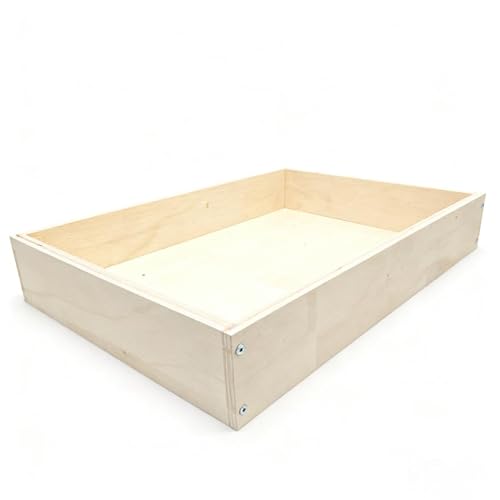
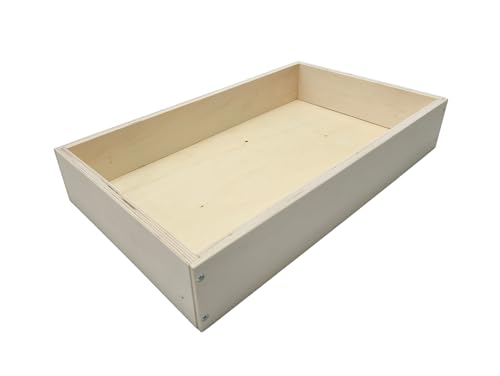
It is closely related to kitchen cabinet drawer replacement, but the distinction is important: full drawer replacement involves the box and slides, while face replacement focuses only on the front panel. For many kitchens with sound drawer boxes, face replacement delivers the visual impact of new cabinetry at a fraction of the disruption.
Signs It's Time to Replace Your Drawer Faces
- Visible wear: scratches, chips, peeling laminate, or fading finish on the front panels.
- Outdated style: raised-panel oak or honey-toned faces that no longer match your design direction.
- Hardware fatigue: stripped screw holes or handle placement that no longer works with your layout.
- Moisture damage: swelling or delamination near the sink or dishwasher.
- Layout changes: new appliances or a reconfigured counter that leaves drawer fronts misaligned with surrounding cabinetry.
Drawer Face Styles to Consider
Style choice drives the entire look of your kitchen. The most common profiles include:
- Flat slab: clean, modern, and easy to maintain — a strong fit for contemporary kitchens.
- Shaker: a recessed center panel with a simple frame; versatile and timeless.
- Raised panel: traditional and formal, with a center panel that projects above the frame.
- Beadboard: vertical grooves that add cottage or farmhouse character.
- Glass or open-front: suited to display drawers and specialty storage.
If you are also refreshing the surrounding cabinetry, matching your drawer faces with new kitchen doors and drawer fronts creates a cohesive result. For a broader project scope, see kitchen cabinet replacement doors and drawers.
Materials Compared
| Material | Tier | Best For | Key Consideration |
|---|---|---|---|
| Solid wood | Premium to luxury | Long-term durability, painted or stained finishes | Requires stable humidity; may expand and contract |
| Plywood with veneer | Mid-range to premium | Stable construction with natural wood look | Edge banding quality affects longevity |
| MDF with paint | Entry-level to mid-range | Smooth painted finishes, shaker and slab styles | Keep edges sealed against moisture |
| Thermofoil | Entry-level to mid-range | Moisture-prone areas, easy-clean surfaces | Can peel under high heat over time |
| Laminate | Essential tier to mid-range | Durable, low-maintenance surfaces | Limited profile options compared with wood |
Solid wood and premium veneers are worthwhile investments when you want a long-term finish that can be refinished later. MDF and thermofoil are solid choices for painted or easy-clean kitchens where the surrounding cabinetry is in good condition.
How to Measure for Replacement Drawer Faces
- Measure each face individually: width and height, to the nearest millimeter.
- Identify the overlay type: full overlay, partial overlay, or inset — this determines the reveal and gap allowances.
- Record screw hole positions: distance from edges and spacing between holes for the drawer pull.
- Check clearance: confirm the new face will not bind against adjacent doors or the countertop.
- Note the finish: if matching existing cabinetry, order a sample first to compare tone and sheen.
Accuracy is critical, especially for inset drawers where tolerances are tight. If your kitchen uses inset construction, consider professional fabrication and installation.
Installation Steps
- Remove the old faces: unscrew from the inside of the drawer box and detach hardware.
- Clean and inspect: check drawer boxes for damage and tighten any loose slides.
- Pre-drill new faces: match hole positions to the drawer box and hardware.
- Attach temporarily: install with a few screws, test alignment, and adjust before final tightening.
- Install hardware: mount handles or pulls using the pre-drilled positions.
- Final check: open and close each drawer to confirm smooth travel and even gaps.
Pairing Drawer Faces With the Rest of Your Kitchen
Drawer faces are rarely an isolated update. Matching them with new doors is the most common pairing, covered in kitchen replacement doors and drawer fronts. If you are evaluating a wider cabinet refresh, kitchen cabinet with drawers and doors covers how storage configuration affects the choice of fronts.
For kitchens where drawer storage is part of a larger bedroom or utility area, our kitchen dresser guide covers how drawer-heavy storage integrates with the same cabinetry family.
Common Mistakes to Avoid
- Ordering faces without confirming overlay type — the most common cause of misalignment.
- Ignoring screw hole positions and drilling new holes that weaken the drawer box.
- Choosing materials that do not suit the kitchen's humidity, especially near the sink.
- Skipping a sample finish before committing to a full set.
- Forgetting to account for hardware spacing changes when switching handle styles.
Frequently Asked Questions
What is kitchen drawer face replacement?
It is the process of swapping out only the visible front panel of your drawers while keeping the existing drawer boxes and cabinet frames. It refreshes the look of a kitchen without a full cabinet overhaul.
Can I replace drawer faces without replacing the whole cabinet?
Yes. Drawer faces are separate components attached to the drawer box. As long as the cabinet frame and drawer boxes are structurally sound, you can replace only the faces and hardware.
How do I measure for new drawer faces?
Measure each face width and height precisely, note the overlay style (full overlay, partial overlay, or inset), and record screw hole spacing so the replacement faces align correctly.
Which materials are best for drawer faces?
Solid wood and premium veneers suit long-term finishes; MDF with paint suits smooth painted styles; thermofoil and laminate work well in moisture-prone, low-maintenance kitchens.
Is drawer face replacement a DIY project?
It can be manageable for handy homeowners if the faces are custom-made to your measurements. Professional installation is recommended for inset or complex layouts.
Ready to Refresh Your Kitchen?
Browse our recommended replacement drawer faces and cabinetry components to find the right match for your kitchen.
View Recommended Products