Kitchen Doors and Drawer Fronts: The Complete Guide
Everything you need to know about choosing, measuring, and replacing kitchen cabinet doors and drawer fronts — from materials and styles to installation and long-term durability.
START EXPLORINGWhy this matters: Kitchen doors and drawer fronts are the most visible surfaces in your kitchen. They define the room's style, protect your storage, and endure daily wear. Whether you are planning a full cabinet replacement or a targeted drawer face replacement, understanding your options helps you make a confident, lasting decision.
What Are Kitchen Doors and Drawer Fronts?
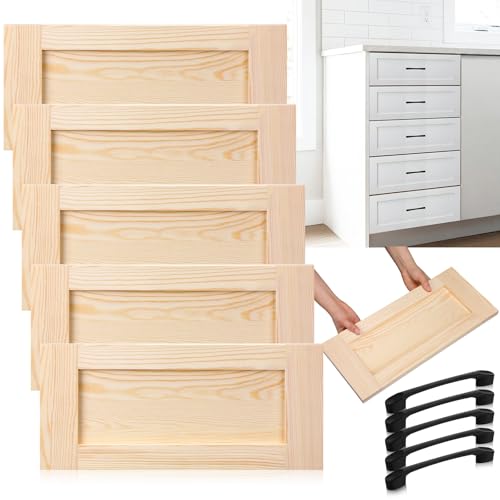
Kitchen doors and drawer fronts are the visible outer panels of your cabinetry. Doors cover cabinet compartments and are typically hinged vertical panels, while drawer fronts attach to pull-out drawer boxes. Together, they form the face of your kitchen — the surfaces you see, touch, and open every day.
These components are distinct from the cabinet boxes (the structural frames), which means they can often be upgraded independently. When the underlying framework is sound, replacing just the doors and drawer fronts can dramatically refresh the look of the entire space without a full renovation. If your project involves broader changes to the cabinet structure, see our guide to kitchen cabinet doors and drawers for the complete picture.
Doors vs. Drawer Fronts: Key Differences
Although they are often discussed together, doors and drawer fronts serve different functions and have different design considerations:
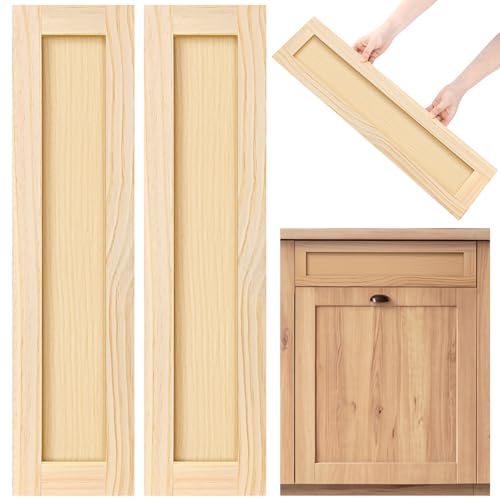
- Kitchen cabinet doors are usually taller and narrower, hinged on one side, and may feature glass panels, decorative moulding, or integrated handles. They are designed for wide-open access to shelves.
- Drawer fronts are generally shorter and wider, mounted flat to a drawer box, and often fitted with horizontal pulls or knobs. They are designed for sliding access and frequent use.
- Alignment matters: The horizontal lines where drawer fronts meet door edges create the visual rhythm of your kitchen. Consistent reveals (the small gaps between panels) are what make a kitchen look professionally finished.
Many kitchens mix both types — for example, drawers below and doors above. Getting the proportions and style consistent across both is central to a cohesive look. Our overview of kitchen cabinets with drawers and doors explains how these combinations work together in a full layout.
Popular Styles for Kitchen Doors and Drawer Fronts
Shaker
A flat centre panel framed by a simple square border. Shaker remains the most versatile style, working equally well in traditional, transitional, and modern kitchens. It is forgiving of minor installation imperfections and easy to keep clean.
Flat Slab
A single flat panel with no framing. Slab fronts deliver a clean, minimalist look and are typically found in contemporary and handleless kitchen designs. They are simple to maintain and suit high-gloss or matte finishes.
Raised Panel
A centre panel that is raised above the frame, often with decorative profiling. Raised panel fronts read as traditional or classic and pair well with crown moulding and ornate hardware.
Beadboard and Grooved
Vertical grooves create texture and a cottage or farmhouse feel. These work particularly well on drawer fronts, where the grooved pattern adds visual interest without overwhelming the space.
Glass-Front Doors
Doors with glass inserts showcase dishware or glassware. They are often used selectively on upper cabinets to break up solid runs of cabinetry. Note that glass-front doors require tidy interiors to look their best.
Material Options Compared
The material you choose affects durability, moisture resistance, maintenance, and appearance. Here is how the main options compare:
| Material | Best For | Durability | Maintenance |
|---|---|---|---|
| Solid wood | Premium and luxury kitchens; refinishable surfaces | High — can be sanded and refinished | Occasional conditioning; sensitive to moisture swings |
| MDF (painted or veneered) | Mid-range to premium smooth finishes, especially Shaker and slab | Good — stable and smooth | Wipe clean; avoid prolonged water exposure |
| Plywood core with veneer | Balanced tier — good stability with natural wood appearance | Good — resistant to warping | Dust regularly; avoid abrasive cleaners |
| Laminate | Entry-level to mid-tier; moisture-prone areas | Moderate — resistant to stains and moisture | Easy wipe-clean; edges can chip over time |
| Thermofoil / vinyl wrap | Entry-level; uniform colour and finish | Moderate — sealed surface, but heat-sensitive | Simple cleaning; avoid high heat near edges |
As a general rule, mid-range and high-end tier doors typically offer smoother mechanisms, tighter tolerances, and better edge sealing than starter tier options. Solid wood is the long-term investment choice for those who value refinishability, while MDF with a quality painted finish is a popular balanced tier option for modern Shaker kitchens.
Replacement vs. Refacing vs. Full Cabinet Replacement
Before ordering new fronts, clarify the scope of your project:
- Door and drawer front replacement — swapping only the visible panels while keeping the existing boxes and hardware. This is the most targeted approach when the frames are sound and the layout works for you.
- Refacing — applying a new veneer or laminate to the cabinet boxes and installing new doors and drawer fronts. This changes both the surface and the faces for a near-new appearance.
- Full cabinet replacement — replacing boxes, fronts, and often the layout. This is the right choice when the cabinet structure is damaged or you need a different configuration.
If your goal is purely aesthetic and the existing layout serves you well, replacement doors and drawer fronts are often the most efficient path. Our dedicated guide to kitchen replacement doors and drawer fronts walks through the decision in more detail. For projects where the drawer boxes themselves are worn, explore kitchen cabinet drawer replacement options as a companion step.
How to Measure for New Doors and Drawer Fronts
Accurate measurement is the single most important step. Measure the existing door or drawer front width and height precisely, then confirm whether your cabinets are overlay (the front sits over the box frame) or inset (the front sits flush inside the frame). Note hinge positions and handle drillings before ordering.
Because sizing conventions vary between manufacturers, always follow the supplier's measuring guide rather than assuming standard dimensions. If you are unsure, order a single sample front first to confirm fit and finish before committing to a full set.
Pro Tip: Order a Sample First
Colour and texture look different under your kitchen lighting than on a screen. A single sample door or drawer front lets you check the finish, weight, and hardware compatibility before you order the full run.
Hardware and Hinge Considerations
Your choice of hinges and pulls affects both function and appearance. Soft-close hinges are now standard in mid-range and high-end tier cabinetry, reducing slam noise and wear. For drawer fronts, consider the pull style: bar pulls suit modern slab fronts, while cup pulls and knobs complement Shaker and traditional styles. Ensure the hardware spacing matches the drilling pattern of your replacement fronts, or plan to drill new holes consistently across the set.
Maintenance and Longevity
Kitchen fronts face heat, moisture, and daily handling. To extend their life:
- Wipe spills promptly, especially near edges and seams.
- Avoid abrasive cleaners on painted and laminate surfaces.
- Keep hinges and drawer slides clean and lubricated as needed.
- Address loose hinges early to prevent panel damage.
Well-maintained fronts in the mid-range and premium tiers can serve for many years, and solid wood surfaces can be refinished rather than replaced when they show wear.
Frequently Asked Questions
What is the difference between kitchen doors and drawer fronts?
Kitchen doors cover cabinet storage compartments and are typically taller, hinged panels. Drawer fronts cover pull-out drawers and are usually shorter, wider panels. Both are visible faces of your cabinetry and can be replaced together to refresh the entire kitchen look.
Can I replace only the doors and drawer fronts instead of the whole cabinet?
Yes. Refacing or replacing doors and drawer fronts is a popular option when cabinet boxes are structurally sound. It transforms the visual appearance while preserving the existing layout and framework, making it a practical mid-tier upgrade.
Which material is best for kitchen doors and drawer fronts?
Solid wood offers premium durability and refinishability. MDF with painted or veneered finishes provides a smooth, stable surface for modern styles. Laminate and thermofoil are entry-level options with good moisture resistance. The best choice depends on your style preference, moisture exposure, and desired longevity.
How do I measure for replacement kitchen doors and drawer fronts?
Measure the existing door or drawer front width and height precisely, including any overlay or inset configuration. Note hinge positions and handle drillings. Always order using the manufacturer's measuring guide, as sizing conventions vary between overlay and inset cabinetry.