Kitchen Cabinet Drawer Replacement: The Complete Guide
Restore smooth gliding, eliminate sagging, and refresh your kitchen layout with a carefully chosen drawer replacement. This guide explains drawer boxes, fronts, slides, and materials so you can move from research to a confident purchase.
Explore Buying FactorsWhy drawer replacement matters: A kitchen lives or dies by its storage flow. Worn drawer boxes, tired fronts, and failing slides turn daily cooking into a chore. Replacing those components is one of the most efficient upgrades you can make without remodeling the entire kitchen. This guide helps you understand what to replace, how to measure, and which specifications matter most.
What Kitchen Cabinet Drawer Replacement Really Involves
Kitchen cabinet drawer replacement is often misunderstood as a single product purchase. In practice, it covers three distinct components: the drawer box (the container), the drawer front (the visible face panel), and the drawer slides or runners (the mechanism that allows movement). Each can be replaced independently, and each has its own criteria for quality and compatibility.
Homeowners typically pursue replacement for one of three reasons: a drawer has physically broken, the existing drawers feel rough or noisy, or the kitchen look needs a refresh without a full remodel. Understanding which of these applies to your situation determines whether you need a full assembly, a box-only replacement, or just new fronts.
If your current setup mixes drawers and doors, it helps to review how kitchen cabinet doors and drawers work together before ordering replacement parts. Likewise, if you are considering a broader refresh, kitchen cabinet replacement doors and drawers explains how the two components interact visually and functionally.
Drawer Box, Drawer Front, and Slides: Know the Difference
Before comparing products, clarify which part of the drawer you actually need to replace. Many buyers accidentally order fronts when the real problem is a broken slide, or buy a full box when only the face panel is worn.
The Drawer Box
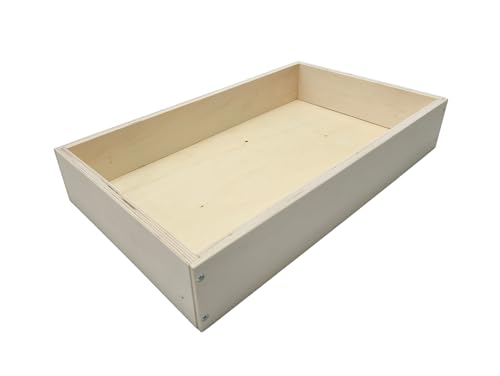
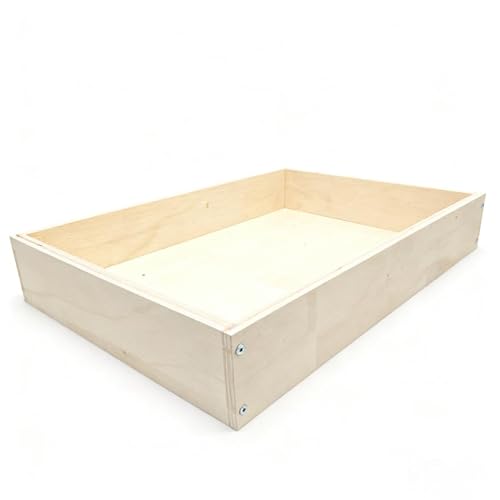
The drawer box is the structural container that holds your kitchen items. It includes the bottom panel, side panels, back panel, and the joinery that holds them together. Box quality determines load capacity, longevity, and how smoothly the drawer travels. Common box materials include solid wood, plywood, and engineered wood with veneer.
The Drawer Front
The drawer front is the visible panel attached to the front of the box. It defines the aesthetic of your kitchen and can be swapped without touching the internal structure. If your drawers work well but look dated, front replacement is the simplest path. Our guide to kitchen drawer face replacement covers sizing, mounting, and style matching.
The Drawer Slides
Slides, also called runners, control movement and load support. They are the most common failure point in kitchen drawers. Replacing slides alone can transform a sticky drawer into a smooth-gliding one, provided the box and cabinet frame are still sound. Heavy or wide drawers may call for large heavy-duty drawer slides to prevent sagging.
Types of Kitchen Cabinet Drawer Replacement
There is no single replacement path. The right approach depends on what is failing, your budget tier, and how much visual change you want. Below are the most common scenarios.
Full Drawer Assembly Replacement
This replaces the box, front, and slides together. It is the most reliable option when the existing drawer has failed structurally or when you want a guaranteed match between components. Full assemblies are available in entry-level, mid-range, and premium tiers, with premium options offering dovetail joinery and undermount slides.
Box-Only Replacement
If your drawer fronts are in good condition, you can replace only the boxes. This is common when the original boxes are particleboard and have swollen or cracked. Box-only replacement preserves your kitchen's look while restoring function.
Front-Only Replacement
Front-only replacement is a cosmetic upgrade. It is ideal when the boxes and slides work well but the fronts are scratched, outdated, or no longer match the rest of the kitchen. This path is often chosen during partial kitchen refreshes.
Slide-Only Replacement
Slide-only replacement is the most focused repair. It is appropriate when the drawer box is solid but the mechanism is rough, noisy, or failing to stay closed. Upgrading from a basic side-mount slide to a soft-close undermount is a common improvement.
Key Buying Factors for Drawer Replacement
Use the following criteria to compare options systematically. Each factor affects long-term satisfaction more than any single visual detail.
1. Material and Construction
Solid wood and plywood boxes are generally more durable than particleboard. Dovetail joinery is a hallmark of premium construction, while stapled or glued joints are common in entry-level tiers. For a kitchen that sees daily heavy use, prioritize solid build quality over decorative details.
2. Slide Type and Load Rating
Side-mount slides are common in starter-tier cabinets, while undermount slides are typical in mid-range and premium kitchens. Full-extension slides allow access to the entire drawer depth, which matters for deep pantry drawers. Check the load rating for heavy cookware and small appliances.
3. Dimensions and Fit
Replacement drawers must fit the existing cabinet opening. Measure the width, depth, and height of the opening, not just the old drawer. Account for slide clearance and any face-frame or frameless cabinet differences.
4. Front Style and Finish
If you are replacing fronts, match the door style, edge profile, and finish of the rest of the kitchen. Shaker, slab, and raised-panel fronts each create a different visual rhythm. For a cohesive result, review kitchen doors and drawer fronts as a combined design decision.
5. Soft-Close and Motion Features
Soft-close slides prevent slamming and reduce wear. Some premium slides also offer push-to-open or self-closing motion. These features are worth considering if the kitchen is used by children or if noise is a concern.
6. Installation Requirements
Some replacement drawers are designed as direct swaps, while others require adjusting the cabinet frame or adding new mounting points. Confirm whether the product is intended for DIY installation or professional fitting.
Replacement Options Compared by Tier
The table below compares common replacement categories using neutral tier descriptors rather than numeric figures. Use it to align your expectations with the category you are shopping in.
| Category | Tier | Best For | Typical Construction |
|---|---|---|---|
| Full drawer assembly | Entry-level to mid-range | Complete replacement of worn or broken drawers | Engineered wood box, side-mount slides |
| Premium drawer assembly | Premium to luxury | High-use kitchens and long-term investment | Solid wood or plywood box, dovetail joints, undermount slides |
| Box-only replacement | Mid-tier | Keeping existing fronts while restoring function | Plywood or solid wood box, compatible with existing slides |
| Front-only replacement | Essential to premium | Cosmetic refresh without structural change | MDF, wood veneer, or solid wood fronts |
| Slide-only replacement | Starter to top-tier | Fixing rough or noisy movement | Side-mount or undermount slides, soft-close options |
| Heavy-duty slide upgrade | Professional-grade | Pots, pans, and heavy pantry drawers | Reinforced steel slides with high load rating |
How to Measure Before You Order
Measurement errors are the most common reason replacement drawers fail to fit. Follow this sequence to gather the right numbers.
- Measure the cabinet opening width at the narrowest point, not just the old drawer width.
- Measure the opening height and depth, including any face-frame overlap.
- Record the existing slide type and mounting position.
- Check whether the cabinet is frameless or face-frame, as this affects box sizing.
- Note the drawer front overlay if you plan to replace fronts only.
- Confirm clearance for full-extension slides if upgrading from standard slides.
Materials: What to Look For
Material choice affects durability, weight, and how the drawer feels over time. The main options are solid wood, plywood, and engineered wood.
Solid Wood
Solid wood boxes offer excellent strength and repairability. They are common in premium and luxury tiers and pair well with dovetail joinery. Maple, birch, and poplar are frequent choices for kitchen drawer boxes.
Plywood
Plywood is a strong mid-range option that resists warping better than particleboard. Multi-ply construction with a veneer finish is common in quality replacement drawers and offers a good balance of durability and weight.
Engineered Wood
Engineered wood, including MDF and particleboard, is common in entry-level and essential-tier products. It is suitable for light-duty drawers but is more vulnerable to moisture and heavy loads. If you choose engineered wood, prioritize sealed edges and reinforced joints.
Installation Overview
Most drawer replacements follow a similar sequence: remove the old drawer, detach the front if reusing it, install or adjust the slides, seat the new box, and reattach the front. The complexity rises when the cabinet frame needs modification or when switching slide types.
If you are replacing both doors and drawers as part of a wider project, the workflow in kitchen cabinet replacement doors and drawers can help you sequence the work. For front-only updates, the steps in kitchen replacement doors and drawer fronts provide a useful reference for alignment and finish matching.
Tools Commonly Needed
- Screwdriver or drill with driver bits
- Tape measure and pencil
- Level for slide alignment
- Utility knife for sealant or trim adjustments
- Stud finder if adding new mounting points
When to Call a Professional
Professional installation is advisable if the cabinet frame is damaged, if you are switching from face-frame to frameless hardware, or if the replacement requires cutting the cabinet opening. Complex pantry configurations and integrated appliance drawers also benefit from expert fitting.
Common Mistakes to Avoid
- Ordering by old drawer size only: Always measure the cabinet opening, since replacement boxes and slides can change the required dimensions.
- Ignoring slide compatibility: A new box may not fit existing slides, and new slides may require different mounting holes.
- Choosing fronts without checking overlay: Front replacement must account for the door overlay and reveal to look consistent.
- Underestimating load: Heavy cookware and appliance drawers need slides rated for the load.
- Skipping a dry fit: Test the drawer and slide alignment before final tightening to avoid repeated removal.
Maintaining Replacement Drawers
Once installed, simple habits extend the life of your new drawers. Keep slides clean and free of debris, avoid overloading beyond the rated capacity, and tighten mounting screws periodically. For wooden boxes, avoid prolonged exposure to moisture and wipe spills promptly.
If a drawer begins to stick, check alignment before assuming the slide has failed. A small adjustment often restores smooth movement without replacement.
Frequently Asked Questions
Final Checklist Before You Buy
Use this checklist to confirm you are ready to order with confidence.
- Identify whether you need a box, front, slide, or full assembly.
- Measure the cabinet opening and confirm slide compatibility.
- Choose a material tier that matches your daily use and long-term plans.
- Decide on soft-close or standard motion based on household needs.
- Check front style and finish against the rest of the kitchen.
- Confirm installation requirements and tools.
With these steps complete, you can move from research to selection with a clear understanding of what each replacement option delivers. The right drawer replacement restores the daily rhythm of your kitchen and protects the investment you have already made in your cabinetry.