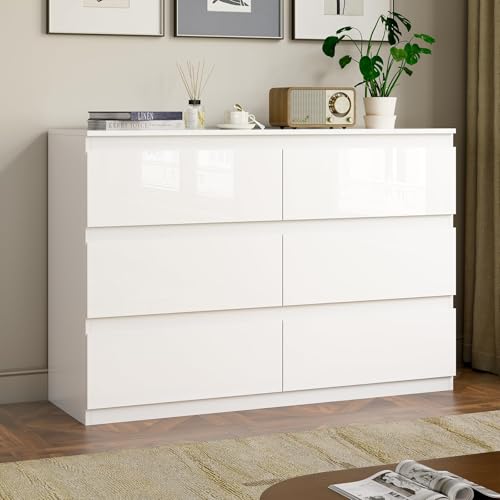
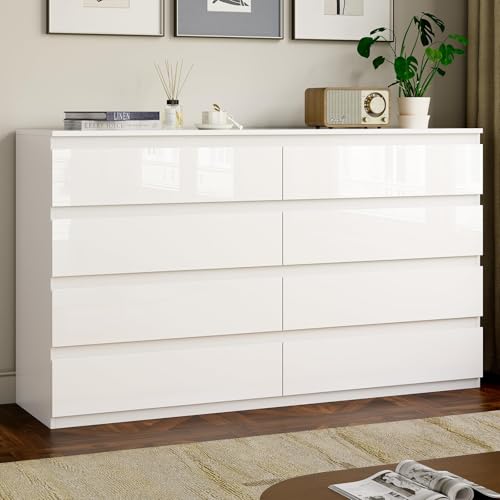
High Gloss White Lacquer Dresser: The Complete Buyer's Guide
A high gloss white lacquer dresser delivers a crisp, reflective look that brightens bedrooms and elevates modern interiors. This guide explains the finish, construction, drawer mechanics, styling, and care so you can decide with confidence whether this piece belongs in your home.
Explore the Buying FactorsWhy a High Gloss White Lacquer Dresser Stands Out
Few furniture finishes make a statement like high gloss white lacquer. The multi-layer lacquer process produces a surface so smooth it reflects light like glass, turning an ordinary storage piece into a design focal point. In bedrooms, that reflectivity does real work: it amplifies natural light, makes compact rooms feel more spacious, and pairs effortlessly with both minimalist and glamorous decors.
Beyond aesthetics, a quality lacquer finish is practical. Cured lacquer forms a hard, non-porous shell that resists moisture and wipes clean in seconds. For buyers researching before a purchase, understanding how the finish is built, what lies beneath it, and which drawer hardware supports it is the difference between a dresser that looks stunning for a season and one that stays stunning for years.
Quick takeaway: The best high gloss white lacquer dressers combine a multi-coat, sealed lacquer finish with solid drawer boxes and smooth, rated drawer slides. Finish quality and drawer mechanics matter more than the label on the box.
What Is High Gloss White Lacquer, Exactly?
Lacquer is a clear or pigmented coating that cures into a hard film through solvent evaporation and chemical cross-linking. In furniture manufacturing, a high gloss white lacquer dresser typically receives several coats of pigmented lacquer, each sanded between applications, followed by a polishing stage that produces the signature mirror sheen. The result is a depth of color and reflectivity that paint alone rarely achieves.
How the finish is built
- Substrate preparation: MDF or engineered wood is sanded and sealed to create an even base; premium pieces may use solid wood for drawer fronts and frames.
- Primer and base coats: Pigmented white lacquer is sprayed in thin layers to build opacity without runs or orange-peel texture.
- Intermediate sanding: Each coat is sanded smooth, which is what separates a true high gloss finish from a simple glossy paint job.
- Top coats and polishing: Clear protective lacquer layers add depth and scratch resistance, then the surface is buffed to its final gloss level.
This layered process explains why high gloss lacquer furniture sits in the premium and luxury tiers of the market. The labor and finishing time are substantial, and the visual payoff is correspondingly high.
Construction: What Sits Beneath the Gloss
The finish gets the attention, but the substrate and drawer construction determine how the dresser performs. When evaluating a high gloss white dresser, look beyond the shine.
Substrate options
- MDF and engineered wood: The most common base for lacquer finishes because the dense, uniform surface accepts lacquer cleanly and resists grain telegraphing. Mid-range and premium pieces typically use moisture-resistant MDF with sealed edges.
- Solid wood frames: High-end and luxury tier dressers often pair solid wood carcasses with lacquered drawer fronts, combining structural strength with the flawless finish.
- Plywood cores: A balanced option found in well-specified mid-tier furniture, offering screw-holding strength and stability.
Drawer construction
Drawer boxes should be joined with dovetail or dowel-and-glue construction rather than stapled butt joints. Bottoms should be set in grooves, not stapled to the underside. For heavier loads, look for reinforced drawer bottoms and slides rated well above the expected load. If you plan to store dense items such as denim or linens in deep drawers, heavy-duty drawer slides are a worthwhile specification to seek out.
The quality of the drawer slides directly affects daily satisfaction. Entry-level dressers often use basic roller slides, while mid-range models upgrade to ball-bearing or undermount slides with soft-close action. Top-tier and professional-grade pieces may specify full-extension, heavy-duty slides that keep even fully loaded drawers gliding smoothly.
Sizes and Configurations to Consider
A high gloss white lacquer dresser works across many footprints, from compact single-bedroom pieces to wide statement consoles. Matching the size to your room and storage needs is the first practical decision.
| Configuration | Typical Use Case | Best For |
|---|---|---|
| 6-drawer wide dresser | Primary bedroom storage with folded clothing and linens | Couples and larger bedrooms |
| 5-drawer tall chest | Vertical storage in tighter floor plans | Small bedrooms and apartments |
| 3-drawer low dresser | Guest rooms, entryways, and media consoles | Minimal storage needs and dual-purpose rooms |
| Double dresser with mirror | Dressing area with grooming and accessory storage | Bedrooms with wall space above the dresser |
Measure your wall space, walking clearance, and door swing before committing. A wide dresser can dominate a narrow room, while a tall chest may crowd a low window. If your room is compact, our guide to high gloss dresser options covers additional space-saving configurations, and our how to choose a dresser walkthrough helps you translate room dimensions into the right drawer count.
Drawer Mechanics: The Hidden Quality Signal
Glossy fronts photograph beautifully, but you will interact with the drawers every day. The slide mechanism is where quality differences become obvious within weeks of ownership.
- Roller slides: Common in entry-level furniture. Functional but prone to wobble under load and typically partial-extension.
- Ball-bearing slides: Smoother and more durable, often full-extension so you can reach the back of the drawer. A hallmark of mid-range and premium construction.
- Undermount soft-close slides: Hidden beneath the drawer box, they close silently and protect fingers. Usually found on high-end tier pieces.
- Heavy-duty slides: Rated for high loads and frequent use, appropriate for deep drawers holding dense items or for commercial-grade applications.
If you are comparing specifications, check whether the slides are rated for the drawer's intended load and whether they offer full extension. Soft-close is a comfort feature worth prioritizing in a primary bedroom, where early-morning and late-night access is common.
Key Factors When Buying a High Gloss White Lacquer Dresser
1. Finish quality and sealing
Run your hand across the surface: it should feel glass-smooth with no grain texture, ripples, or dust nibs. Check the edges, where lacquer is most likely to chip if sealing is incomplete. A premium finish includes sealed drawer edges and interior surfaces, which protect against humidity swelling.
2. Drawer action
Open and close every drawer in the showroom or read the specification carefully online. Look for smooth travel, no side-to-side play, and a firm stop at full extension. Soft-close and full-extension are strong indicators of considered construction.
3. Hardware and details
Handles and knobs should feel solid, with no sharp edges or play. Screw inserts, rather than directly tapped threads in thin panels, extend hardware life. On white finishes, hardware choice drives the room's character: brushed nickel reads modern, matte black adds contrast, and warm brass leans glamorous.
4. Stability and safety
Tall dressers should include anti-tip hardware and a broad, stable base. Confirm the dresser meets applicable furniture stability standards, and always anchor tall units to the wall, especially in homes with children.
5. Interior layout
Deep bottom drawers suit bulky items, while shallow top drawers work better for accessories. Removable dividers and felt-lined top drawers are valuable upgrades in higher-tier pieces.
Tier guide: Entry-level high gloss dressers typically offer basic roller slides and single-layer finishes. Mid-range models add full-extension ball-bearing slides and multi-coat lacquer. Premium and luxury tiers deliver soft-close undermount slides, sealed interiors, and furniture-grade hardware.
Styling a High Gloss White Dresser
The reflective white surface is a versatile canvas, but it benefits from deliberate styling so it does not read as clinical.
- Layer texture: Pair the sleek finish with a woven basket, a linen runner, or a textured ceramic vase to soften the gloss.
- Control reflections: A mirror above the dresser doubles the light but can create glare. Position mirrors to reflect a window rather than a lamp.
- Anchor with art: A large framed print or a gallery wall above the dresser balances the visual weight of a wide unit.
- Choose warm accents: Wood tones, brass, and soft textiles prevent the white gloss from feeling cold.
- Keep the top curated: A tray corrals small items, while a jewelry organizer for the dresser top keeps daily accessories tidy.
For rooms that lean toward contrast, a matte or textured wall behind a glossy dresser creates depth. If your bedroom palette includes darker finishes, our notes on the high gloss black lacquer dresser explain how the same finish family shifts the mood of a room.
Care and Maintenance
A high gloss lacquer finish is easy to maintain when you avoid harsh products and abrasive tools.
- Dust weekly with a clean microfiber cloth to prevent grit from scratching the surface.
- Wipe fingerprints with a damp cloth and a drop of mild dish soap, then dry immediately with a soft towel.
- Avoid ammonia-based glass cleaners, scouring pads, and abrasive polishes.
- Use felt pads under lamps, vases, and decorative objects.
- Keep the dresser away from direct heat sources and prolonged direct sunlight, which can stress the finish over time.
- Address spills promptly; lacquer resists moisture but standing liquid can seep into seams.
If drawers develop a musty odor, our guide on how to remove musty smell from dresser drawers covers safe, finish-friendly remedies.
Who Is a High Gloss White Lacquer Dresser For?
This finish suits buyers who want a clean, contemporary look with a touch of drama. It is an especially strong match for:
- Modern and minimalist bedrooms where a reflective accent adds interest.
- Small or north-facing rooms that need help maximizing light.
- Dressing areas and walk-in closets where a polished focal point is welcome.
- Guest rooms that benefit from bright, easy-to-clean furniture.
It may be a less natural fit in heavily rustic or traditional rooms, where matte wood finishes dominate, or in households where very young children frequently handle furniture without supervision, since gloss shows marks readily. That said, a well-sealed premium finish is more resilient than its delicate appearance suggests.
Frequently Asked Questions
What exactly is a high gloss white lacquer dresser?
It is a dresser finished with multiple coats of pigmented white lacquer, sanded between coats and polished to a mirror-like sheen. The finish is typically applied over MDF, engineered wood, or solid wood.
Is a high gloss lacquer finish durable for daily use?
A properly cured lacquer finish is hard, moisture-resistant, and easy to clean. Premium-tier pieces with multiple coats and sealed edges resist scratches and yellowing better than entry-level finishes, though all glossy surfaces show dust and fingerprints more readily than matte ones.
How do I keep a white high gloss dresser looking clean?
Dust weekly with a microfiber cloth, wipe fingerprints with a damp cloth and mild soap, then dry immediately. Avoid abrasive and ammonia-based cleaners, and use felt pads under decorative items.
Does a high gloss white dresser suit small bedrooms?
Yes. The reflective surface bounces light around the room, making compact spaces feel brighter and more open. Pair it with a mirror above and light walls to maximize the effect.
Ready to Choose Your High Gloss White Lacquer Dresser?
Use the checklist above to compare finishes, drawer mechanics, and configurations, then browse curated options that match your room and storage needs.
View Recommended Options