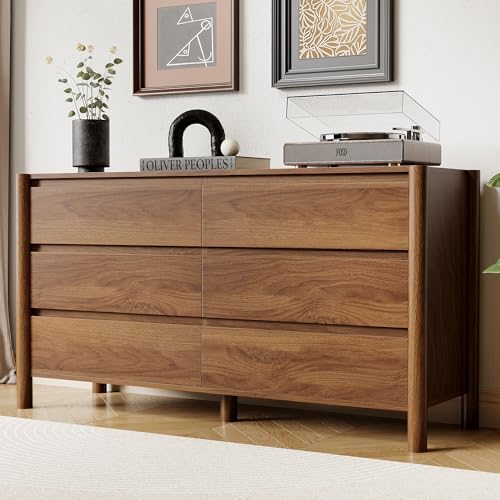
Extra Large Solid Wood Dresser: The Complete Guide
Everything you need to know about choosing a spacious, durable solid wood dresser that delivers lasting storage and timeless character to your bedroom.
Explore Buying Factors View Recommended OptionsWhy an extra large solid wood dresser? If your current storage feels cramped, an extra large solid wood dresser offers a meaningful upgrade: generous drawer volume, real wood construction that ages gracefully, and a presence that anchors a primary bedroom. This guide walks you through dimensions, drawer layouts, wood species, finish considerations, and practical buying criteria so you can choose with confidence.
What Makes a Dresser "Extra Large" and "Solid Wood"?
Retailers use the term extra large loosely. For practical purposes, a dresser can be considered extra large when it exceeds roughly 60 inches in width, 40 inches in height, or provides more than eight drawers of usable depth. These dimensions push it beyond standard bedroom storage into the territory of a full-scale furniture centerpiece.
Solid wood means the structural components — top, sides, drawer fronts, and often drawer boxes — are cut from real timber rather than engineered panels wrapped in veneer. Common species include oak, maple, walnut, cherry, and pine. Solid wood dressers are prized for repairability, long-term durability, and the way they develop patina over time. For a deeper comparison of construction approaches, see our guide on extra wide solid wood dresser options and how width interacts with footprint.
Quick Size Reference
| Category | Typical Width | Typical Height | Best For |
|---|---|---|---|
| Standard dresser | 50–60 in | 30–36 in | Small to mid-size bedrooms |
| Extra large dresser | 60–72 in | 36–44 in | Primary bedrooms, shared rooms |
| Extra large tall dresser | 40–50 in | 48–60 in | Narrow rooms needing vertical storage |
| Extra wide dresser | 72+ in | 30–40 in | Large walls, dual-use bedrooms |
Key Factors When Choosing an Extra Large Solid Wood Dresser
1. Measure Your Space Before Anything Else
An extra large dresser can dominate a room if the footprint isn't planned. Measure the wall where the dresser will sit, then subtract at least 30 inches of clearance for walking and drawer extension. Remember that a drawer pulled fully open can extend 18–20 inches beyond the cabinet face. Also account for doorways, baseboards, and window sills. If your wall is long but shallow, consider an extra long dresser that spreads storage horizontally rather than forward into the room.
2. Match Drawer Layout to Your Clothing Volume
Drawer count alone doesn't tell the whole story. Pay attention to drawer height and depth. Shallow drawers (4–6 inches) suit folded shirts and lingerie; deep drawers (8–12 inches) hold sweaters and denim. A well-designed extra large dresser often mixes both. If you need significant capacity, an extra large 12 drawer dresser provides a dedicated slot for nearly every clothing category. For rooms where deep storage matters most, explore extra large dresser with deep drawers configurations.
3. Understand Wood Species and Finish
Wood species affect both appearance and durability. Oak and maple are dense and resist dents; walnut offers rich, dark grain; cherry darkens beautifully with age; pine is lighter and softer but takes paint well. Finish matters too — a matte lacquer shows fewer fingerprints, while a hand-rubbed oil finish can be refreshed periodically. For a broader look at material choices, browse our materials and finishes section.
4. Check Drawer Construction and Hardware
On a solid wood dresser, the cabinet body is only half the story. Look for dovetail joints on drawer boxes, metal ball-bearing glides rated for heavy loads, and drawer bottoms at least 3/8 inch thick. Side-mounted glides are common, but undermount soft-close slides are a hallmark of premium construction. If you plan to load drawers heavily, prioritize heavy duty drawer slides for smooth operation over years of use.
5. Consider the Room's Role
An extra large solid wood dresser works beautifully in a primary bedroom, but it can also serve a guest room, a shared kids' room, or even a hallway. If the piece sits at the foot of the bed, an end of bed dresser layout keeps clothing accessible while defining the sleep zone. In compact apartments, an extra large dresser for bedroom may double as a media console or vanity station.
Advantages and Trade-Offs of an Extra Large Solid Wood Dresser
Strengths
- Substantial storage capacity for households with multiple clothing categories
- Solid wood construction supports refinishing and long-term repair
- Anchors a bedroom visually and can replace multiple smaller storage pieces
- Holds resale and heirloom value better than engineered alternatives
- Wide tops provide usable display space for decor and lighting
Considerations
- Requires a large wall and careful clearance planning
- Heavier than engineered wood, so moving and assembly need extra hands
- Solid wood demands stable indoor humidity to avoid seasonal movement
- Fewer finish and color options than painted engineered models
- Entry points and stairwells may limit delivery options
Quality Tiers in Extra Large Solid Wood Dressers
Rather than comparing figures, it helps to understand where a dresser sits in the market. Use these tiers as a framework when evaluating options:
| Tier | Typical Construction | Best For |
|---|---|---|
| Entry-level | Solid wood top and drawer fronts with engineered sides; basic side-mounted glides | Guest rooms and first apartments |
| Mid-range | Solid wood carcass with dovetailed drawer boxes; smooth ball-bearing slides | Primary bedrooms with regular daily use |
| Premium | All-solid hardwood construction, undermount soft-close slides, hand-finished surfaces | Long-term investment and family homes |
| Luxury / heirloom | Select hardwood species, traditional joinery, customizable finishes and hardware | Design-led interiors and collector-grade furniture |
Models in the mid-range and premium tiers generally offer smoother drawer operation and more consistent grain matching than entry-level pieces. For a comparable perspective on width-oriented storage, review our extra wide dresser and extra large dresser guides.
Placement and Styling Ideas
An extra large solid wood dresser brings warmth and grounding to a room. In a modern bedroom, pair a walnut or oak piece with neutral bedding and a large mirror above. In a farmhouse-inspired space, a whitewashed pine dresser complements shiplap walls and woven baskets. If you're drawn to a softer palette, a extra wide white dresser offers the same generous footprint with a lighter visual weight. For mid-century interiors, an extra wide mid-century dresser brings tapered legs and clean lines to the same storage volume.
Beyond the bedroom, consider an entryway dresser if your hallway has a long wall — the wide top works well for mail, keys, and a lamp. And if you're furnishing a bedroom that also serves as a media room, an entertainment dresser for bedroom combines drawer storage with a screen-friendly surface.
Frequently Asked Questions
How wide should an extra large solid wood dresser be?
Most extra large models fall between 60 and 72 inches wide, with tall variants narrower but taller. Measure your available wall length and add at least 30 inches of clearance for walking and drawer pull-out before committing.
Is solid wood better than engineered wood for a large dresser?
Solid wood offers superior repairability and long-term durability, and it can be sanded and refinished. Engineered wood is lighter and more dimensionally stable in humid conditions. For a piece you intend to keep for decades, solid wood is generally the stronger choice.
How many drawers do I need in an extra large dresser?
Eight to twelve drawers is typical for this size. Aim for a mix of shallow drawers for folded tops and deeper drawers for sweaters and denim. If you share the dresser, assign dedicated drawer groups to each person to keep organization sustainable.
Can an extra large solid wood dresser be used outside the bedroom?
Yes. Wide, sturdy dressers work well in entryways, home offices, and dining areas as sideboards. Just confirm the finish is appropriate for the room's humidity and sunlight exposure.
What should I check before delivery?
Confirm doorway and stairwell dimensions, measure the path from the entry to the room, and verify the dresser's shipping weight. Solid wood pieces are heavy; plan for two or more people or professional delivery.