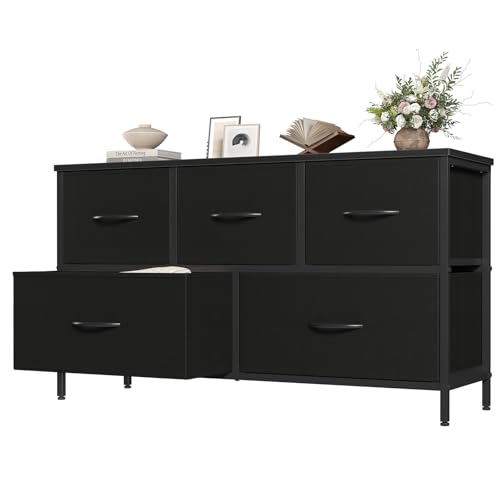
End of Bed Dresser: The Complete Buying Guide
Turn the empty space at the foot of your bed into smart, beautiful storage. Learn how to choose the right end of bed dresser for your room, your routine, and your style.
Start ExploringWhy an end of bed dresser works: The foot of the bed is often the most underused zone in a bedroom. An end of bed dresser fills that gap with practical drawer storage, a flat surface for daily essentials, and a visual anchor that makes the whole room feel intentional. This guide walks you through sizing, drawer layouts, materials, and placement so you can buy with confidence.
What Is an End of Bed Dresser?
An end of bed dresser is a low, wide storage piece placed at the foot of the bed, usually facing the mattress. Unlike a tall chest of drawers against a wall, it is designed to sit in open floor space, so its proportions, drawer depth, and finish need to work from every angle. It often doubles as a bench-like surface for folding laundry, setting down a tray, or displaying decor.
This placement is especially useful in rooms where wall space is limited or where a traditional dresser would crowd the walkway. If you are comparing storage types, our guide to dresser types explains how low, wide, and tall silhouettes differ in function. Many buyers pair an end of bed dresser with a matching chest of drawers against the wall to split storage between daily items and seasonal clothing.
Because it sits in the middle of the room, an end of bed dresser also shapes traffic flow. It can define the sleeping zone, hide clutter from the doorway, and add a finished look without requiring a full furniture set. The key is matching depth and height to your bed and walkway rather than choosing purely on appearance.
Key Benefits of Placing a Dresser at the Foot of the Bed
- Extra storage without extra walls: Drawers at the foot of the bed use floor space that is often wasted, freeing wall areas for artwork, a desk, or a bedroom storage armoire.
- Better daily flow: Folded clothes, bedding, and accessories stay within arm's reach when you are getting dressed.
- Built-in surface area: The top works as a folding station or display shelf, reducing clutter on nightstands.
- Room definition: A wide, low piece visually anchors the bed and makes the layout feel deliberate.
- Flexible styling: From farmhouse dresser finishes to modern dressers, there is a style for every bedroom.
For small rooms, an end of bed dresser can replace a bulky wall unit entirely. Explore dressers for small spaces if you need compact depth without sacrificing drawer count.
Sizing an End of Bed Dresser Correctly
Getting the size right is the single most important decision. A piece that is too deep blocks the walkway; one that is too short looks disconnected from the bed. Use these guidelines as a starting point, then measure your actual room.
| Bed Size | Suggested Dresser Width | Suggested Depth | Best For |
|---|---|---|---|
| Twin / Full | Narrow to standard (approx. bed width or slightly less) | Shallow | Guest rooms, teen bedrooms, compact layouts |
| Queen | Standard to wide | Standard | Most primary bedrooms |
| King / California King | Wide to extra-wide | Standard to deep | Large primary suites, shared bedrooms |
Leave at least a comfortable walking gap between the dresser and the bed, and check that drawers can open fully without hitting the mattress or a wall. If your room is tight, a narrow dresser or a small dresser keeps the footprint manageable. For larger rooms, an extra wide dresser balances a king bed and adds generous storage.
Height matters too. A low profile keeps sightlines open and makes the bed feel larger. If you want a more substantial look, a tall dresser at the foot of the bed can work in a spacious room, but confirm it does not obstruct the view from the door.
Choosing the Right Drawer Layout
The number and shape of drawers determine how useful the piece will be day to day. Think about what you will actually store there before choosing a layout.
- 3 to 4 drawers: Best for bedding, throws, and occasional clothing. A 4 drawer dresser is a versatile middle ground.
- 5 to 6 drawers: A good balance of folded clothes and accessories. A 6 drawer dresser suits most couples.
- 9 or more drawers: Maximum organization for shared rooms or large wardrobes. See 9 drawer dressers.
- Deep drawers: Useful for bulky items like sweaters and linens. Compare extra deep dresser options.
Also check drawer glide quality. Mid-range and premium models typically offer smoother, more durable slides than entry-level pieces, which matters when drawers are opened several times a day. For organization inspiration, read our drawer organization ideas.
Materials and Finishes That Hold Up
Because an end of bed dresser is visible from multiple angles, finish quality is more noticeable than on a wall-hugging piece. Solid wood offers durability and repairability; engineered wood with quality veneers can be a solid choice for the tier. Learn more in our materials and finishes guide.
Popular directions include white dressers for a bright, airy feel, black dressers for contrast, gray dressers for a neutral middle ground, and natural wood dressers for warmth. Hardware also matters: gold hardware dressers read more glamorous, while black hardware dressers suit modern and industrial rooms.
If you prefer a specific wood, compare oak dressers for resilience, walnut dressers for a rich tone, and pine dressers for a lighter, relaxed look.
Matching the Dresser to Your Bedroom Style
The end of bed dresser is a focal point, so its style should echo the rest of the room. Consider these directions:
- Modern dressers and mid-century dressers for clean lines and tapered legs.
- Farmhouse dressers and rustic dressers for textured, relaxed charm.
- Glam dressers and gold dressers for reflective, statement finishes.
- Rattan dressers and bamboo dressers for natural texture.
For broader inspiration, browse bedroom dresser ideas and dresser styling tips.
Quality Tiers to Compare Before You Buy
Rather than shopping by price point, compare products by construction tier. This keeps your evaluation consistent and focused on durability and finish.
Entry-Level Tier
Engineered wood with laminate or foil finishes, basic drawer slides, and simpler hardware. A good fit for guest rooms, rentals, or occasional use where weight and daily wear are lower.
Mid-Range Tier
Better veneers or mixed solid-wood construction, smoother side-mounted or ball-bearing slides, and sturdier hardware. A balanced choice for primary bedrooms that see daily use.
Premium Tier
Solid wood frames, dovetail or reinforced drawer boxes, soft-close mechanisms, and durable finishes. Built for long-term use and heavier daily opening and closing.
Luxury Tier
Hand-finished surfaces, custom hardware, premium hardwoods, and refined detailing. A long-term investment for rooms where the dresser is a centerpiece.
Mid-range models usually offer noticeably smoother drawer action than entry-level pieces, while premium and luxury tiers focus on joinery and finish longevity. Review our dresser quality guide for a deeper checklist.
Placement and Walkway Planning
Before buying, map the route from the door to the bed and to any closet. The dresser should not force a sideways shuffle, and drawers should clear the mattress when fully open. In narrow rooms, consider a floating dresser or a shallow, low-profile design.
If you need more storage than a single piece can provide, pair the end of bed dresser with a storage bed or an armoire to cover different categories of clothing. Our small bedroom storage ideas guide covers layered solutions for tight layouts.
Rugs and lighting also affect the result: a dresser at the foot of the bed can visually shorten the room if it is too dark or too deep. Keep the surface styled simply and add a dresser lighting layer if the area feels dim.
Pre-Purchase Checklist
- Measure the gap between the bed and the nearest wall or doorway.
- Confirm the dresser depth leaves a comfortable walking path.
- Check that drawers clear the mattress and any nearby furniture.
- Match drawer count to what you plan to store.
- Verify drawer slide type and load rating.
- Review material, finish, and hardware durability.
- Consider whether the back of the dresser will be visible.
- Plan cable or floor vent clearance if the dresser sits over them.
How to Choose: A Simple Decision Path
Start with the room, not the product. If floor space is tight, prioritize depth and drawer glide quality over drawer count. If storage is the main goal, choose a wider piece with deep drawers and pair it with a dresser and nightstand set for a cohesive look. If style is the priority, choose the finish first and confirm the dimensions second.
For a deeper framework, read our complete dresser buying guide and dresser size guide. If you are still deciding between formats, our comparison of dresser vs chest of drawers clarifies the trade-offs.
Frequently Asked Questions
How much space should I leave around an end of bed dresser?
Leave enough room to walk comfortably on at least one side and confirm that drawers open fully without hitting the bed. Measure the actual path from the door to the bed before ordering.
Is an end of bed dresser suitable for a small bedroom?
Yes, if you choose a shallow, low-profile design. A narrow dresser or a floating dresser can preserve walkway space while still adding useful storage.
What should I store in an end of bed dresser?
Folded clothes, bedding, throws, and accessories work well. Deeper drawers suit bulky items, while shallower drawers are better for smaller items and organization inserts.
Should the dresser match the bed frame?
Matching is optional. Coordinating wood tones or hardware creates cohesion, but contrasting finishes can also define the sleeping zone. Use the style guides above to choose a direction.
Does an end of bed dresser replace a traditional dresser?
It can in compact rooms, but many buyers use both: the end of bed piece for daily items and a wall dresser or armoire for seasonal clothing.
Ready to Compare End of Bed Dresser Options?
Use the checklist above, confirm your measurements, and review the recommended models below to find the right fit for your bedroom.
View Recommended Options