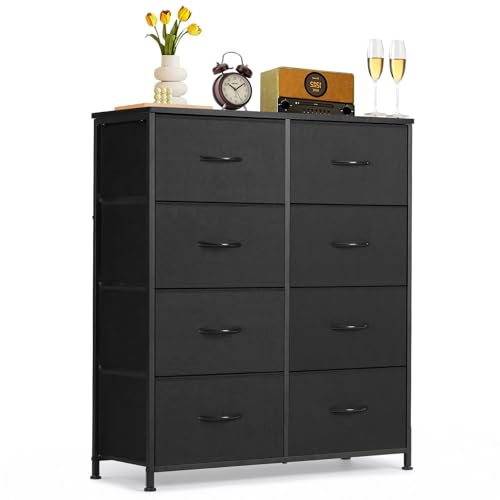
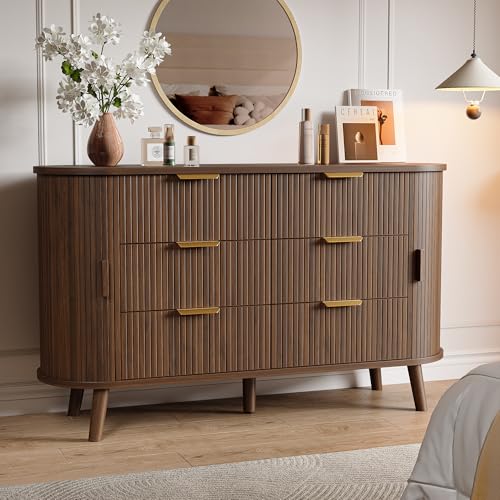
Entryway Dresser: The Smart Storage Solution for Your Front Hall
Transform your entryway into a clutter-free, welcoming space with the right dresser. Learn how to choose the perfect size, material, and drawer layout for your home's busiest zone.
Start Your Buying JourneyWhy an entryway dresser? An entryway dresser is more than just furniture—it's a daily organizing hub. It keeps keys, mail, gloves, and bags within reach while adding a polished focal point to your front hall. Whether your space is a narrow corridor or a spacious foyer, the right dresser brings order and style together.
Why Add a Dresser to Your Entryway?
Your entryway takes a beating every day—shoes piled by the door, mail scattered on the floor, keys misplaced. An entryway dresser solves this by giving every item a dedicated home. Unlike open shelving or coat racks, a dresser conceals clutter behind closed drawers, keeping the space visually calm and organized.
Beyond organization, an entryway dresser acts as a stylish anchor piece. It provides a surface for decorative trays, a lamp, or a mirror above, instantly elevating the look of your front hall. For homes with limited closet space, it also adds valuable storage capacity without requiring a major renovation.
Concealed Storage
Drawers hide everyday clutter—mail, keys, gloves, and small accessories—keeping your entryway looking tidy and intentional.
Surface Display
The top surface doubles as a landing zone for decor, a table lamp, or a catch-all tray, adding function and personality.
Space Optimization
Choose a narrow or tall silhouette to fit tight hallways, or a wide, low piece for larger foyers without blocking walkways.
Style Statement
From modern minimalism to farmhouse charm, an entryway dresser sets the tone for your entire home the moment guests arrive.
How to Choose the Right Size
Sizing is the most critical decision when selecting an entryway dresser. Start by measuring your available wall space and the walkway clearance. As a rule of thumb, leave at least 36 inches of walking space in front of the dresser. Also factor in drawer extension—each drawer needs room to pull out fully.
For narrow entryways, consider a tall, slim chest of drawers or a narrow console-style dresser. These provide vertical storage without eating into walkway space. In larger foyers, a wide, low dresser works beautifully—it offers more surface area for decor and can double as a bench-height surface. If your space is especially tight, explore entryway cabinet with doors and drawers options that combine concealed storage with a compact footprint.
| Space Type | Recommended Silhouette | Best For |
|---|---|---|
| Narrow hallway | Tall, slim chest (3–4 drawers) | Compact vertical storage without blocking traffic |
| Standard foyer | Medium-width dresser (4–5 drawers) | Balanced storage and surface area |
| Spacious entryway | Wide, low dresser (6+ drawers) | Maximum surface for decor and generous drawer capacity |
| Open-concept entry | Double-duty console or media dresser | Defining the entry zone while adding storage |
Materials and Durability
Entryway furniture endures heavy daily use—shoes kicked off, bags dropped, keys tossed. Choose a dresser built to last. Solid wood (oak, walnut, maple) offers the best durability and longevity. Engineered wood with a quality veneer is a practical alternative that resists warping and holds up well in high-traffic areas.
Pay attention to drawer hardware and joinery. Dovetail joints and metal ball-bearing glides signal a well-constructed piece. For a polished look that hides wear, consider a glass top dresser—the glass surface protects the finish and wipes clean easily. If you prefer a natural aesthetic, a grasscloth dresser adds texture while hiding minor scuffs.
Drawer Layout and Organization
The ideal entryway dresser balances deep and shallow drawers. Shallow top drawers are perfect for keys, wallets, and sunglasses. Deeper lower drawers handle gloves, scarves, small umbrellas, and even shoes. If you have children, assign a lower drawer for their items so they can reach them independently.
- Top drawer: Keys, mail, sunglasses, small wallet items
- Middle drawers: Gloves, scarves, hats, small accessories
- Lower drawers: Shoes, umbrellas, reusable bags, seasonal items
- Deep bottom drawer: Bulkier items, sports gear, or extra storage bins
For high-traffic homes, consider a dresser with at least five drawers. A farmhouse dresser often features generous drawer depth and a rustic finish that suits relaxed entryway styles.
Style, Decor, and Placement
An entryway dresser should complement your home's overall aesthetic while standing up to daily use. Modern homes pair well with sleek, handleless designs or fluted wood dressers. Traditional spaces benefit from classic silhouettes with decorative hardware. For a warm, lived-in look, a rustic dresser adds character and texture.
Placement matters. Anchor the dresser against a wall opposite the door for a welcoming first impression. Hang a mirror above to reflect light and provide a last-minute appearance check. Add a tray on top for keys and mail, a small lamp for ambient glow, and a plant or sculptural object for personality. Keep the surface uncluttered—function first, decor second.
If your entryway doubles as a mudroom or connects to a living area, consider a multi-purpose dresser that blends storage with display. For a seamless look, choose a finish that matches your existing trim or flooring.
Entryway Dresser Tiers: What to Expect
Entryway dressers fall into distinct quality tiers. Understanding these tiers helps you set realistic expectations for construction, hardware, and longevity—without relying on numerical figures.
| Tier | Construction Highlights | Best For |
|---|---|---|
| Entry-level | Engineered wood, basic glides, simpler joinery | Light use, temporary setups, rental spaces |
| Mid-range | Solid wood or quality veneer, smooth metal glides, reinforced joints | Everyday family use, long-term placement |
| Premium | Solid hardwood, dovetail joinery, soft-close hardware, fine finishes | High-traffic homes, design-focused interiors |
| Luxury | Handcrafted details, premium hardwoods, custom hardware, artisan finishes | Statement pieces, bespoke interiors, collectors |
Quick Buying Checklist
- Measure wall space and walkway clearance (aim for 36 inches minimum)
- Check drawer extension depth against nearby doorways
- Confirm the dresser's height relative to mirrors and wall decor
- Look for dovetail joints and metal glides for durability
- Choose a finish that resists moisture and daily wear
- Match the style to your home's interior aesthetic
- Consider anti-tip hardware for safety, especially in family homes
- Plan drawer assignments before placing the dresser
Frequently Asked Questions
What size entryway dresser should I choose?
Measure your wall and leave at least 36 inches of walkway clearance. A narrow, tall chest works well in compact halls, while a wide, low dresser suits spacious foyers. Always account for drawer extension depth.
What is the best material for an entryway dresser?
Solid wood and engineered wood with a quality veneer offer the best durability for a high-traffic entryway. Look for reinforced drawer joints, smooth-glide hardware, and a moisture-resistant finish that withstands daily use.
How many drawers does an entryway dresser need?
A three- to five-drawer dresser covers most entryway needs: one drawer for keys and mail, one for gloves and scarves, and one for miscellaneous items. Larger households may benefit from six or more drawers.
Can I use a bedroom dresser in the entryway?
Yes. A standard bedroom dresser works well in an entryway as long as it fits the space and matches the decor. Choose a style that complements your home's interior and avoid overly tall models that block sightlines.
How do I style an entryway dresser?
Top your entryway dresser with a tray for keys, a small lamp for ambient light, a mirror above for last-minute checks, and a plant or decorative object. Keep the surface uncluttered so it stays functional.
Final Thoughts
An entryway dresser is one of the most practical furniture investments you can make. It brings order to the busiest zone in your home while adding warmth and style. By prioritizing proper sizing, durable materials, and a thoughtful drawer layout, you'll create an entryway that works as hard as you do—and looks great doing it.
Whether you lean toward a mid-century dresser for a retro vibe or a white dresser for a bright, airy feel, the right piece is out there. Use the checklist above, measure twice, and enjoy a welcoming, organized front hall for years to come.