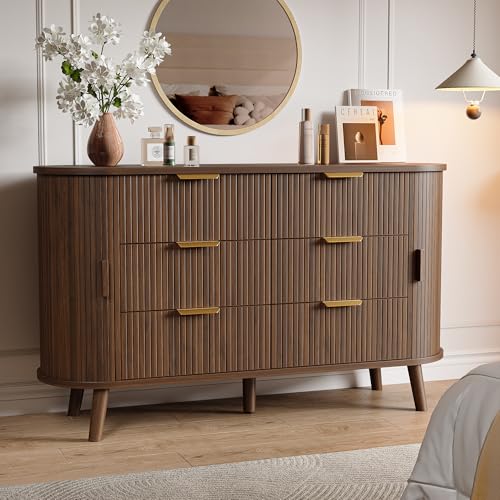
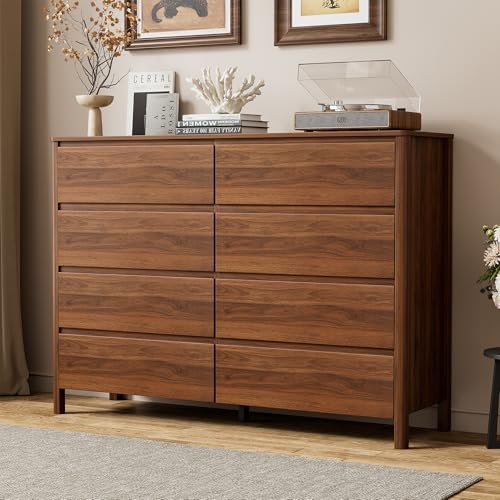
Extra Wide Mid Century Dresser: The Complete Buying Guide
Everything you need to know about choosing a spacious, stylish mid century dresser that maximizes storage without sacrificing design. Expert insights on size, materials, drawer layouts, and room integration.
Explore Buying FactorsWhy an Extra Wide Mid Century Dresser? Mid century modern design is celebrated for its clean lines, organic warmth, and functional elegance. When you combine that aesthetic with an extra wide format, you get a piece that delivers exceptional storage capacity while serving as a striking focal point in your bedroom. This guide walks you through every consideration — from precise measurements and material quality to drawer mechanics and styling — so you can make a confident, well-informed decision.
What Is an Extra Wide Mid Century Dresser?
An extra wide mid century dresser blends the iconic design language of the 1950s and 1960s with a generously proportioned footprint. While standard dressers typically range from 30 to 60 inches in width, an extra wide dresser generally measures 72 inches or more. This added width translates directly into more drawer space, more surface area, and a stronger visual presence.
The mid century designation refers to specific design traits: tapered legs, clean geometric lines, minimal ornamentation, warm wood tones, and a low, horizontal profile. These elements work together to create a piece that feels both timeless and contemporary. When you scale that design up to an extra wide format, the horizontal emphasis becomes even more pronounced — making it a natural anchor for a wide dresser for bedroom layouts.
These dressers are particularly well-suited to primary bedrooms, guest rooms, and shared spaces where storage demands are higher. They can also serve as a media console or a stylish storage solution in an open-plan living area. If you are exploring broader options, our guide to extra wide dressers covers additional configurations and design variations.
Key Design Features of Mid Century Extra Wide Dressers
Understanding the defining characteristics of mid century design will help you evaluate options and identify quality craftsmanship. Here are the elements to look for:
Tapered Legs
The signature tapered leg — often angled or splayed — lifts the dresser off the floor and creates a sense of lightness. Look for solid wood legs with clean joinery rather than veneered or hollow constructions.
Clean Horizontal Lines
Mid century design emphasizes horizontal proportion. An extra wide dresser naturally amplifies this, creating a streamlined, low-slung silhouette that grounds the room without visual heaviness.
Warm Wood Tones
Walnut, teak, and cherry are the classic mid century woods. Their warm, rich grain patterns add organic warmth to the clean-lined form. Oak and ash are also used, often with a lighter finish.
Minimal Hardware
Drawer pulls are typically understated — recessed pulls, simple round knobs, or slim bar handles. Some designs feature integrated finger pulls that maintain an uninterrupted drawer front.
Functional Storage Layout
Mid century dressers prioritize practical storage. Expect a mix of drawer heights and widths, sometimes including a divided top drawer for jewelry or accessories, and deep lower drawers for bulkier items.
Quality Joinery
Authentic mid century pieces use dovetail joinery on drawer boxes, solid wood frames, and reinforced corner blocks. These construction details are strong indicators of long-term durability.
Size and Dimension Considerations
Choosing the right size is the most critical decision when selecting an extra wide mid century dresser. The piece needs to fit your space comfortably while delivering the storage capacity you require. Here is a breakdown of typical dimensions:
| Size Category | Typical Width | Typical Depth | Typical Height | Best For |
|---|---|---|---|---|
| Standard Dresser | 30–60 inches | 16–20 inches | 30–40 inches | Small to medium bedrooms, single occupants |
| Wide Dresser | 60–72 inches | 18–22 inches | 30–38 inches | Primary bedrooms, couples |
| Extra Wide Dresser | 72–96+ inches | 18–24 inches | 28–36 inches | Large bedrooms, shared spaces, statement focal points |
Depth is an often-overlooked dimension. A deeper dresser (22–24 inches) provides more usable drawer space, but it also protrudes further into the room. Measure your walkway clearance carefully — aim for at least 36 inches of open floor space in front of the dresser for comfortable use. For rooms with tighter footprints, consider a extra wide mid century dresser with a shallower depth to maintain flow.
Height matters too. Mid century dressers tend to sit lower than traditional styles — often 28 to 36 inches. This low profile is visually elegant, but it also means you may want to consider wall-mounted mirrors or artwork above the dresser to balance the vertical space. If you need taller storage, explore extra large dresser options that combine width with added height.
Materials and Construction Quality
The material quality of an extra wide mid century dresser directly impacts its durability, visual appeal, and longevity. Because these pieces are large and intended to anchor a room, investing in quality construction is a sound long-term decision. Here is how the tiers break down:
Engineered Wood with Veneer
Particle board or MDF cores with wood veneer finishes. These can look convincing and offer a consistent surface, but they are less durable over time. Drawer boxes may use stapled or glued joinery rather than dovetails.
Mixed Construction
Solid wood frames with veneered panels and drawer fronts. Drawer boxes often feature dovetail or tongue-and-groove joinery. These pieces offer a good balance of authenticity and structural integrity.
Solid Hardwood
Solid walnut, teak, or oak throughout the frame and drawer fronts. Dovetail joinery, metal drawer glides, and hand-finished surfaces. These pieces are built to last decades and develop a rich patina over time.
Artisan / Heirloom Grade
Handcrafted solid hardwood with premium hardware, soft-close mechanisms, and meticulous finishing. Often produced in limited quantities by specialist workshops. A true long-term investment piece.
When evaluating construction, pay attention to the drawer boxes. Dovetail joinery is the gold standard for durability. Also check the drawer glides — metal ball-bearing slides with soft-close features are a mark of quality, while wooden runners or simple plastic glides are more common at entry-level. For a broader comparison, see our guide to extra wide solid wood dressers.
Drawer Configuration and Layout
The drawer layout of an extra wide mid century dresser is one of its greatest advantages. With more horizontal space, manufacturers can design configurations that accommodate a wide variety of clothing and accessories. Here are the most common layouts:
| Layout | Drawer Count | Best For | Considerations |
|---|---|---|---|
| 6-Drawer (Double Column) | 6 | Couples, balanced storage | Two columns of three drawers each. Equal-width drawers work well for shared use. |
| 8-Drawer (Double Column) | 8 | High-volume storage | More drawers means more organization options, but individual drawers may be shallower. |
| 9-Drawer (Triple Column) | 9 | Detailed organization | Ideal for separating clothing categories. Some drawers may be narrower. |
| 10–12 Drawer | 10–12 | Maximum organization | Lots of small drawers for accessories, delicates, and folded items. Can feel busy visually. |
Think about how you fold and store your clothes. If you prefer to fold shirts and stack them, wider drawers are more efficient. If you need dedicated space for socks, undergarments, and accessories, a layout with more small drawers will serve you better. For inspiration on maximizing your layout, see our guide to extra large 12 drawer dressers.
Advantages and Considerations
Advantages
- Exceptional storage capacity — ideal for couples or large wardrobes
- Strong visual anchor that defines the bedroom layout
- Generous surface area for decor, lighting, or a mirror
- Horizontal proportion creates a spacious, grounded feel
- Can reduce the need for additional storage furniture
- Timeless design that integrates with many decor styles
Considerations
- Requires a long, unbroken wall to look balanced
- May overwhelm a small or narrow room
- Heavier and more difficult to move than standard dressers
- Drawers may be shallower in multi-column layouts
- Higher-tier solid wood options represent a larger investment
How to Choose the Right Extra Wide Mid Century Dresser
Selecting the right piece involves more than picking a design you like. Here is a step-by-step checklist to guide your decision:
- Measure your wall space. Confirm the dresser's width plus at least 24 inches of clearance on each side for doors, walkways, and visual breathing room.
- Check depth and height. Ensure the depth fits your floor plan without blocking traffic flow. Verify the height works with your bed and any wall decor.
- Assess your storage needs. Count how many drawers you realistically need. Consider a mix of deep drawers for bulky items and shallow drawers for accessories.
- Evaluate material quality. Look for solid wood construction, dovetail joinery, and quality drawer glides. Read product specifications carefully.
- Consider the finish. Warm walnut and teak are classic mid century choices. Lighter oak or ash can work in brighter, airier spaces. A white dresser offers a fresh, modern interpretation.
- Think about drawer pulls and hardware. Integrated pulls maintain a clean look. Metal knobs or bar handles add a subtle decorative touch.
- Plan for assembly. Some dressers ship fully assembled, while others require significant assembly. Factor this into your decision if you prefer a ready-to-use piece.
- Anchor the piece safely. Extra wide dressers are heavy. Use wall-anchoring hardware to prevent tipping, especially in homes with children or pets.
Styling and Placement Tips
An extra wide mid century dresser is a statement piece, and how you place and style it will shape the entire room. Here are practical recommendations:
Placement
Position the dresser on a long wall where it can serve as a focal point. Centering it on the wall creates a sense of balance. If the room is large enough, consider flanking the dresser with a pair of extra wide dresser companions such as tall lamps or plants. Avoid placing an extra wide dresser next to a door that swings inward — the clearance can make the space feel cramped.
For bedrooms with an end of bed dresser arrangement, ensure there is at least 36 inches between the foot of the bed and the dresser front. This allows comfortable passage and drawer access.
Styling the Surface
The generous surface area of an extra wide dresser is an opportunity, not a burden. Keep it curated: a large mirror or piece of art above, a pair of table lamps, a small tray for everyday items, and one or two decorative objects. Avoid clutter — the strength of mid century design lies in its restraint. For more ideas, explore our extra wide dresser for bedroom inspiration.
If you want to integrate the dresser into a living space, consider an entertainment dresser for bedroom setup where the wide surface supports a television and the drawers store media and accessories.
Care and Maintenance
A quality extra wide mid century dresser will last for years with proper care. Dust regularly with a soft, dry cloth. Avoid harsh chemical cleaners that can damage wood finishes. For solid wood pieces, apply a furniture polish or wax once or twice a year to maintain the finish and protect against drying. Keep the dresser out of direct sunlight to prevent fading, and use coasters or felt pads under decorative items to avoid scratches. Periodically check and tighten any hardware.
Ready to Find Your Extra Wide Mid Century Dresser?
Explore our curated selection of recommended dressers and storage pieces below. Each option is chosen for its design integrity, storage capacity, and build quality.
View Recommended Dressers