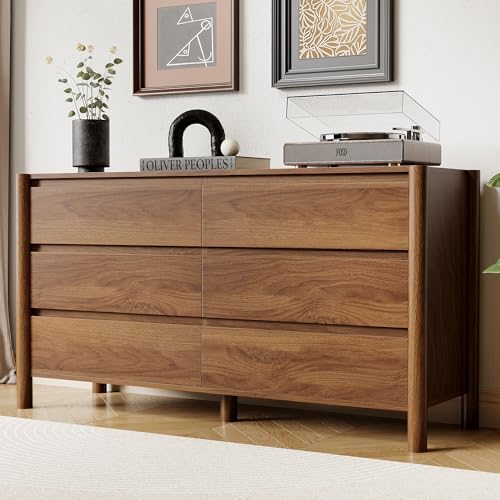
Extra Wide Solid Wood Dresser: The Complete Buying Guide
Everything you need to know about choosing a spacious, durable solid wood dresser that fits your bedroom and lasts for years.
Why Choose an Extra Wide Solid Wood Dresser?
If you are researching extra wide solid wood dressers, you already know the appeal: more drawer space, a statement piece for the bedroom, and the durability that only real hardwood can deliver. An extra wide dresser typically measures 60 inches or more across, giving you room for clothing, linens, and accessories without needing a second storage unit. Combine that width with solid wood construction, and you get a piece that not only organizes your space but also holds its structure and finish for decades.
This guide is designed for buyers who have narrowed their search and now need clarity on materials, dimensions, drawer construction, and style compatibility. We will walk through each factor so you can evaluate any model with confidence, whether you are comparing a mid-range oak piece or a luxury walnut flagship.
What Makes a Dresser "Extra Wide" and "Solid Wood"?
Width categories in bedroom furniture are not standardized across all brands, but there is general consensus in the industry. A standard dresser sits around 50 to 60 inches wide. Extra wide dressers push past that threshold, often landing between 60 and 80 inches. Some oversized models exceed 80 inches and function almost like a sideboard or credenza in the bedroom.
Solid wood means the main structure and drawer fronts are made from real timber, not particle board wrapped in veneer. However, you should check the product details carefully. Many solid wood dressers use solid wood for the frame and drawer fronts while using plywood or engineered panels for the drawer boxes or back panel. That is acceptable for stability and weight management, but true all-solid construction sits in the top-tier category.
| Width Category | Typical Range | Best For |
|---|---|---|
| Standard | 50–60 inches | Small to medium bedrooms |
| Extra Wide | 60–80 inches | Master bedrooms, shared rooms |
| Oversized | 80+ inches | Large suites, statement furniture |
If you need even more capacity, explore an extra large solid wood dresser that combines width with additional height and drawer depth.
Choosing the Right Solid Wood for a Wide Dresser
The wood species affects grain appearance, weight, durability, and how the piece responds to humidity changes. Here is a practical breakdown of the most common options for extra wide solid wood dressers.
Oak
Oak is a top-tier choice for durability and grain character. Red oak and white oak both offer excellent hardness and resistance to wear. Oak takes stain and finish well, making it versatile for rustic, farmhouse, and transitional styles. A wide oak dresser is heavy and built to last.
Maple
Maple is harder than oak and has a tighter, more uniform grain. It is often used in modern and mid-century designs where clean lines matter. Maple resists dents well and holds a smooth finish beautifully. Look for maple if you want a wide dresser with a sleek, contemporary look.
Walnut
Walnut sits in the premium and luxury tier. Its rich, dark chocolate tones and swirling grain make it a statement material. Walnut is slightly softer than oak but still very durable for bedroom furniture. A wide walnut dresser is often the centerpiece of a high-end bedroom design.
Pine
Pine is softer and more entry-level in feel, but it works well for farmhouse and rustic aesthetics. It is lighter in weight, which helps if you move the dresser often. Keep in mind that pine dents more easily, so it suits adults better than high-traffic kids rooms unless you accept the distressed look.
Cherry and Mahogany
These are luxury-tier woods with warm, rich colors that deepen over time. Cherry develops a beautiful patina with age. Mahogany is dense and stable, often used in traditional and formal bedroom furniture. Both are excellent for a wide dresser that you plan to keep for a lifetime.
For a deeper dive into wood types and finishes, see our materials and finishes guide.
How to Size an Extra Wide Dresser for Your Bedroom
Width is the headline feature, but you must also account for depth, height, and clearance. Here is a step-by-step approach.
- Measure your wall space. Note baseboards, outlets, window trim, and any radiators. Leave at least 2 to 3 inches on each side for visual breathing room.
- Check doorways and stairwells. If the dresser ships fully assembled, confirm it will fit through your entry door and up any turns. A 70-inch wide piece will not fit through a standard 30-inch door without disassembly.
- Plan drawer clearance. Most drawers extend 14 to 18 inches. You need at least 24 inches of open floor space in front, and 36 inches is more comfortable.
- Consider height. Standard dresser height is 30 to 36 inches. Taller models, around 40 to 48 inches, pair well with the extra width and give you more vertical storage.
- Match your bed and room flow. A wide dresser can serve as a visual anchor. If you have a king bed, a 70-inch dresser balances the scale nicely.
If you are also considering a different width configuration, our extra wide dresser for bedroom guide covers layout scenarios in more detail.
Drawer Construction: The Hidden Quality Factor
A wide dresser has more drawer area, which means the construction quality matters even more. Poorly built wide drawers can sag or stick over time. Look for these features when comparing models.
| Feature | Entry-Level | Mid-Range | Premium / Luxury |
|---|---|---|---|
| Joint Type | Stapled or glued butt joints | Dado or rabbet joints | English dovetail or French dovetail |
| Drawer Slides | Basic metal slides | Ball-bearing slides, partial extension | Soft-close, full-extension, undermount |
| Drawer Box Material | Thin plywood or MDF | Plywood with solid wood fronts | Solid wood with reinforced corners |
| Dust Panels | Usually absent | Sometimes present | Standard between drawers |
If you expect heavy use, prioritize models with dovetail joints and full-extension slides. These features sit in the mid-range and premium tiers and dramatically extend the life of a wide dresser. For an even deeper storage capacity, see our guide to the extra deep dresser, which focuses on drawer depth rather than width.
Style, Finish, and Hardware Options
Extra wide dressers are available in every major design language. Matching the style to your existing bedroom decor prevents the piece from looking out of place.
- Modern and minimalist: Clean lines, flat fronts, and a natural wood or matte finish. Look for maple or walnut with minimal hardware.
- Mid-century modern: Tapered legs, angled fronts, and warm wood tones. Walnut is the classic choice here. See our extra wide mid-century dresser page for specific inspiration.
- Farmhouse and rustic: Distressed finishes, plank-style fronts, and pine or reclaimed wood. Black or bronze hardware fits this look well.
- Traditional and formal: Cherry or mahogany with carved details, bracket feet, and brass or gold hardware. These pieces sit in the luxury tier and often include a mirror.
- Scandinavian: Light oak or ash with simple round knobs and tapered legs. Functional and airy.
Hardware is easy to change later, so do not let knobs or handles make or break your decision. Focus on the wood, construction, and proportions. If you want a white finish, our extra wide white dresser guide covers painted and lacquered options.
Who Should Buy an Extra Wide Solid Wood Dresser?
This category suits specific buyers better than others. Consider the following profiles.
- Couples sharing a bedroom: A wide dresser gives each person their own drawer zone, reducing clutter and friction.
- Anyone with a large bedroom: A narrow dresser can look lost against a long wall. Extra width fills the space and balances a king or queen bed.
- Buyers who want a long-term investment: Solid wood outlasts engineered wood by a wide margin. A premium-tier piece can last decades with basic care.
- Collectors of clothing and linens: The extra drawer count and width accommodate folded sweaters, bedding, and seasonal items.
- Homeowners planning to stay put: Because these pieces are heavy and hard to move, they suit buyers who are not relocating frequently.
If you are furnishing a smaller room, a standard-width or extra wide dresser alternative may be a better fit. And if you need matching pieces, our dresser and nightstand sets collection is worth a look.
Common Mistakes When Buying a Wide Solid Wood Dresser
- Ignoring doorway dimensions. Always confirm the assembled width and whether the legs or top can be removed.
- Assuming "solid wood" means all solid. Check the spec sheet for drawer box and back panel materials.
- Skipping the drawer test. If you can see the piece in person, open and close every drawer. Look for smooth glide and alignment.
- Overlooking humidity. Solid wood expands and contracts. Keep the dresser away from direct heat sources and maintain stable indoor humidity.
- Choosing style over storage. A beautiful piece that does not hold what you need will frustrate you daily. Measure your folded clothing volume first.
Care and Maintenance for Solid Wood Dressers
Solid wood is forgiving but not indestructible. Dust regularly with a soft cloth, avoid silicone-based polishes, and use a wood-safe conditioner once or twice a year. Wipe spills immediately. Keep the dresser out of direct sunlight to prevent uneven fading. If the finish dulls, a professional-grade furniture wax can restore sheen without stripping the original coating. For deeper cleaning guidance, see our dresser cleaning guide.
Ready to Choose Your Extra Wide Solid Wood Dresser?
You now have a clear framework: confirm the width category, verify the wood species and construction details, measure your space including clearance and doorway access, and match the style to your bedroom. Buyers who prioritize dovetail joints, full-extension slides, and reputable hardwood species will get the most long-term value from their purchase.
Take your shortlist and compare each candidate against the tables and criteria above. When you find a model that meets your size and construction standards, you can move forward with confidence.
Explore Recommended ModelsFrequently Asked Questions
What defines an extra wide solid wood dresser?
An extra wide solid wood dresser typically measures over 60 inches across and is built from solid hardwood such as oak, maple, walnut, or pine rather than particle board or MDF. The extra width provides more usable drawer space, while solid wood construction ensures long-term durability and structural integrity.
How much space do I need for an extra wide dresser?
Plan for the dresser width plus at least 24 to 36 inches of clearance in front for comfortable drawer access. You also want a few inches on each side for visual balance. Measure your wall, account for baseboards and outlets, and consider doorway widths if the piece ships assembled.
Are wide solid wood dressers heavy and hard to move?
Yes, solid hardwood is naturally dense, so a wide solid wood dresser can be quite heavy. Check whether delivery includes placement, and consider professional movers. If you plan to relocate frequently, look for models with removable legs or consider a mid-range engineered-wood alternative.
Which wood types are best for a wide solid wood dresser?
Oak and maple are excellent for durability and grain character. Walnut offers a premium, luxurious look with rich tones. Pine is lighter and more entry-level in feel, often used in rustic or farmhouse styles. Mahogany and cherry are top-tier options prized for their warmth and finish quality.
What drawer features should I look for?
Look for dovetail joints, metal ball-bearing slides, and drawer boxes at least 14 to 16 inches deep. Soft-close mechanisms and fully extending slides are common in mid-range and premium tiers. Reinforced corner blocks and dust panels between drawers are signs of high-end tier construction.