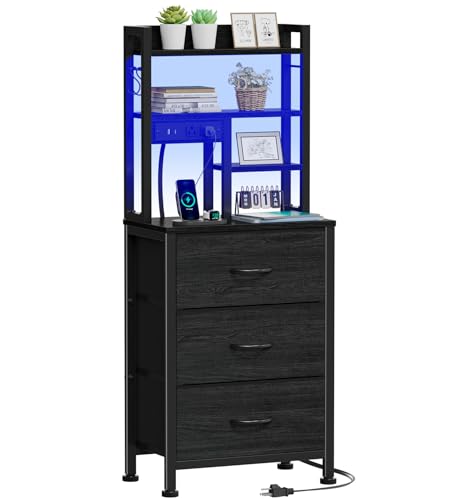
Dresser with Bookshelf on Side: Smart Storage & Display Guide
Combine clothing organization with open display in one elegant piece. Learn how a side-bookshelf dresser works, what to look for, and how to choose the right fit for your bedroom or guest room.
Why a dresser with a side bookshelf? A dresser with bookshelf on side merges two essential bedroom functions: enclosed drawer storage for clothing and open shelving for books, decor, and everyday essentials. This hybrid design is ideal for anyone who wants to reduce furniture clutter, create a reading nook, or add a personal display area without sacrificing drawer space. In this guide, we break down the design variations, material choices, sizing considerations, and practical features so you can decide whether this combination piece belongs in your home.
What Exactly Is a Dresser with a Bookshelf on the Side?
A dresser with bookshelf on side is a storage unit where the main body consists of drawers for clothing, while one side (or both sides) features open shelving. The shelves are typically integrated into the frame, creating an asymmetrical or symmetrical silhouette. Unlike a standard dresser, this design offers quick-access display space for books, plants, alarm clocks, or decorative items — all within arm's reach of your bed or wardrobe.
These pieces are sometimes called dressers with open shelves and drawers, and they serve as a natural bridge between traditional bedroom storage and a compact bookcase. If you are still exploring broader categories, our dresser type guide covers the full spectrum of configurations, while this page focuses specifically on the side-bookshelf variant.
Who Should Consider This Hybrid Design?
This storage style suits a wide range of users, but it shines in specific scenarios:
- Avid readers who want a dedicated spot for books without adding a separate bookcase.
- Small bedroom owners who need to maximize vertical and floor space — the side shelf uses otherwise empty wall space.
- Guest rooms and studios where a single piece should serve multiple purposes (clothing + reading material + display).
- Parents looking for a nursery dresser that can later transition into a child's room with book storage.
- Renters who prefer one multifunctional furniture item over several separate pieces.
If you need even more storage variety, you might also compare this with a dresser with cubbies and drawers or a dresser with shelves on top — both offer different spatial arrangements for display and organization.
Design Variations: One Side, Both Sides, or Stepped Layouts
The placement and number of shelves significantly affect both the look and the functionality of the piece. Here are the most common configurations:
1. Single-Side Bookshelf
The most popular option: drawers occupy the main body, and a vertical stack of 2–4 open shelves sits on the left or right edge. This creates an asymmetric, modern silhouette. It is ideal for placing next to a bed or a wall where only one side needs display access.
2. Double-Side Bookshelves
Shelves flank both ends of the drawer section. This symmetrical design offers more display area and a balanced, furniture-like appearance. It works well in larger rooms or as a focal point. Keep in mind that double-side shelving increases the overall width, so measure your space carefully.
3. Stepped or Asymmetric Layout
Some designs use a stepped profile where the shelf section is shorter than the drawer section, creating a tiered effect. This is often seen in mid-century modern or Scandinavian-inspired pieces. It provides visual interest while keeping the top surface usable for a lamp or mirror.
For a broader look at how these configurations fit into different interior styles, see our dresser styles guide and the dresser style guide.
Materials and Construction: What to Look For
Because this piece combines two functional zones, construction quality matters even more. The shelf area will bear the weight of books and decor, while the drawer section must handle daily clothing use. Here is a tier-based overview of what to expect:
| Tier | Typical Construction | Best For |
|---|---|---|
| Entry-level | Engineered wood with laminate or veneer; basic metal glides; shelf weight capacity is modest. | Light use, guest rooms, or temporary setups. |
| Mid-range | Solid wood frame with engineered panels; side-mounted drawer glides; reinforced shelf supports. | Daily use in main bedrooms; holds a moderate book collection. |
| Premium | Solid hardwood (oak, maple, walnut); dovetail drawer joints; full-extension glides; thick adjustable shelves. | Long-term investment; heavy books and frequent use. |
| Luxury | Kiln-dried hardwoods; hand-finished details; soft-close hardware; custom sizing options. | High-end interiors; collectors and design-focused buyers. |
When evaluating a piece, check the following:
- Drawer glides: Full-extension glides (see dressers with full extension drawers) make it easier to access items at the back.
- Shelf thickness: Thicker shelves resist sagging under book weight; look for at least 0.75 inch (1.9 cm) for solid wood or 1 inch (2.5 cm) for engineered wood.
- Joinery: Dovetail joints in drawers indicate better durability than stapled or nailed construction.
- Finish: A water-resistant or easy-clean finish helps in bedrooms where drinks or plants may sit on shelves.
If you want to compare this hybrid with a more traditional storage piece, read our dresser vs chest of drawers breakdown.
Sizing and Space Planning
A dresser with a side bookshelf is wider than a standard dresser of the same drawer count. Before buying, map out your room and consider these dimensions:
- Width: A 6-drawer dresser typically runs 50–60 inches (127–152 cm). Adding a side bookshelf can push the total width to 65–80 inches (165–203 cm). For compact rooms, look for dressers less than 50 inches wide or dressers for small spaces.
- Depth: Standard dresser depth is 18–20 inches (46–51 cm). The shelf section usually matches this depth, so the footprint remains rectangular.
- Height: Most units are 30–40 inches (76–102 cm) tall. If you want a mirror above, ensure the top surface is clear and the total height (dresser + mirror) fits your wall space.
If your room is tight, consider a dresser that fits in a closet or a closet-friendly dresser instead. For larger spaces, a dresser with lots of storage may be more suitable.
Features That Make a Difference
Beyond the basic layout, certain features improve usability and longevity:
- Adjustable shelves: Lets you reconfigure the side unit for tall books or decorative items.
- Anti-tip hardware: Essential for any tall dresser, especially those with open shelves that may invite climbing by children.
- Drawer stops: Prevent drawers from pulling all the way out and falling.
- Cable management cutouts: Useful if you plan to place a lamp or charging station on the shelf.
- Soft-close drawers: Reduces noise and wear — a feature often found in premium and luxury tiers.
If you also need a spot for jewelry or small accessories, look for a model with a jewelry drawer or hidden jewelry drawer. For bedside convenience, a dresser with matching nightstands can complete the set.
Styling Your Side-Bookshelf Dresser
The open shelves are a design opportunity. Here are a few practical styling approaches:
- Reading nook: Arrange books vertically with a few leaning stacks, add a small bookend, and place a clip-on reading light on the shelf.
- Display gallery: Mix small framed photos, a tiny plant, and a decorative object. Keep it minimal to avoid visual clutter.
- Functional zone: Use one shelf for a charging station (see dresser valet charging station) and another for a tissue box or alarm clock.
- Seasonal rotation: Swap decor with the seasons — summer shells, autumn candles, winter greenery.
For more inspiration, browse our room ideas section or the bedroom storage guides.
How It Compares to Other Hybrid Dressers
The side-bookshelf design is one of several multifunctional dresser configurations. Here is a quick comparison to help you decide:
| Configuration | Key Characteristic | Best For |
|---|---|---|
| Dresser with side bookshelf | Open vertical shelves on one or both ends. | Readers, small bedrooms, display-oriented users. |
| Dresser with open shelves and drawers | Shelves interspersed among drawers or along the top. | Mixed storage of folded clothes and display items. |
| Dresser with cabinets and drawers | Enclosed cabinet doors alongside drawers. | Hiding clutter, storing bulky items. |
| Dresser with hutch | Upper shelving unit attached to the dresser top. | Maximum vertical storage, traditional look. |
Buying Checklist
Before you commit to a dresser with bookshelf on side, run through this checklist:
- Measure your available wall space — width, height, and depth.
- Confirm the shelf weight capacity if you plan to store heavy books.
- Check whether the shelves are adjustable or fixed.
- Verify anti-tip hardware is included.
- Decide if you need full-extension or soft-close drawers.
- Consider the finish and material in relation to your room's humidity and temperature.
- Read reviews about assembly complexity — some hybrid units require two people.
If you prefer a piece that arrives fully assembled, explore dressers for sale already assembled or dressers that don't require assembly. For solid wood options, see solid wood dressers with no assembly.
Frequently Asked Questions
Is a dresser with a side bookshelf stable?
Yes, when properly constructed and anchored to the wall. Always use the included anti-tip kit. Avoid placing very heavy items on the top shelves of a tall unit.
Can I use the side shelves for shoes?
Some models work well for shoe storage if the shelf height is adjustable. For dedicated shoe organization, consider a dresser with shoe storage.
How many books can the shelves hold?
It depends on shelf thickness and material. Entry-level engineered wood shelves typically handle 15–25 pounds (7–11 kg) per shelf; premium solid wood shelves can support 40–50 pounds (18–23 kg). Always check the manufacturer's specification.
Does this style work in a small bedroom?
Yes, if you choose a narrow model. Look for single-side bookshelf designs and measure the total width carefully. A dresser that doubles as a desk might also be worth considering if space is very limited.
Can I add a mirror on top?
Absolutely. A dresser top mirror with drawers or a standalone mirror can sit on the flat top surface, provided the dresser is stable and the mirror is secured.
Ready to explore options? Browse the recommended dressers and storage pieces below. Each listing includes key features, tier classification, and availability. Compare features and choose the configuration that fits your space and storage habits.