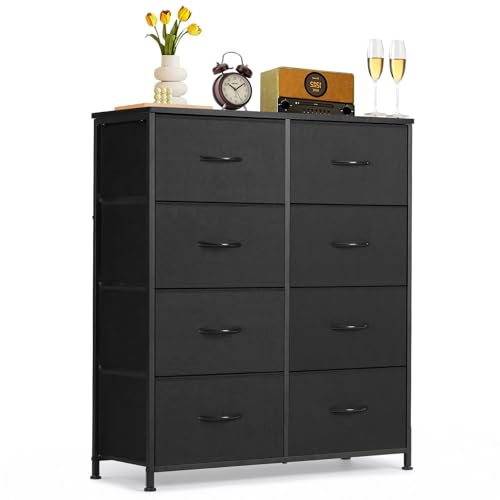
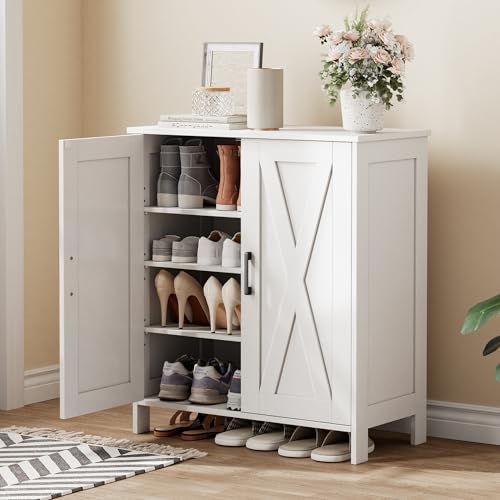
Dresser with Shoe Storage: The Smart Way to Organize Bedroom Clothes and Footwear
If your bedroom floor is a landing strip for sneakers and your closet is bursting at the seams, a dresser with shoe storage may be the single piece of furniture that changes your daily routine. This guide explains what to look for, how to measure your space, which styles work best, and how to choose a unit that keeps clothes and shoes organized in one tidy footprint.
Explore Shoe Storage DressersWhat Is a Dresser with Shoe Storage?
A dresser with shoe storage is a hybrid bedroom furniture piece that pairs conventional clothing drawers with dedicated space for footwear. That shoe space usually takes one of four forms: open cubbies along the base, low open shelves at the bottom, closed cabinet doors with interior shelves, or a combination of drawers and shoe bays. The concept is simple but effective: your clothes and your shoes live in the same footprint, so you stop treating the floor and closet doorway as overflow storage.
These units are especially valuable in three situations. First, small bedrooms where every square foot counts and a separate shoe rack would crowd the walkway. Second, closets that are already packed with hanging clothes. Third, bedrooms where footwear is part of the daily routine, such as a home with a dedicated work-shoe rotation or a walk-in closet used as a dressing room. If your situation is closer to a general bedroom refresh, our broader dresser style guide is a good companion read before you commit to a specific design.
It helps to think of the piece as solving two problems at once. The drawer stack handles folded clothing, accessories, and sometimes linens. The shoe section handles the pairs you wear most often. The best units keep those two functions visually and physically separate, so grabbing a pair of shoes never means rummaging through a drawer of sweaters.
Why Combine Clothing and Footwear in One Dresser?
The main benefit is spatial efficiency. A standard shoe rack consumes floor area that a dresser already occupies, so integrating footwear storage into the dresser removes a separate piece of furniture from the room. In a compact bedroom, that reclaimed floor space can be the difference between a cramped walkway and a comfortable one.
The second benefit is routine. When shoes live at the base of the dresser you use every morning, getting dressed becomes a single stop instead of a circuit around the room. That matters in households where multiple people share a bedroom or where the closet is in another part of the room.
The third benefit is visual calm. Shoes scattered near the door look like clutter even when they are neatly paired. A built-in shoe bay or cabinet keeps them contained and out of sight, which makes the whole room read as more intentional. If you want to go further with that idea, our dressers for small spaces collection explores other compact configurations that reduce visual noise.
Open Shoe Cubbies vs Closed Shoe Cabinets
This is the decision that shapes your daily experience more than any other. Open cubbies and shelves give you fast access and let damp shoes air out, but they display clutter and collect dust. Closed cabinet doors or drawers keep the bedroom looking calm and protect shoes from dust and light, but they need ventilation and hide what you own, which can encourage over-collection.
Many shoppers land on a hybrid layout: open cubbies for the two to four pairs worn most days, and closed drawers or doors for formal shoes, seasonal pairs, and anything that needs protection. That split keeps the visible zone tidy while preserving capacity for the rest of the collection. When you are comparing product photos, check whether the open bays have a lip or back panel to keep shoes from sliding out, and whether closed shoe compartments have ventilation slots or gaps.
Sizing Your Dresser with Shoe Storage
Sizing is where most purchases go wrong. Start with the width of the wall you have in mind, then subtract at least 24 to 30 inches of clearance for drawers and shoe doors to open. Next, count the pairs in your daily rotation, not your entire collection. A single open cubby typically holds one to two pairs of everyday shoes, while a full-width bottom shelf can hold four to six pairs. Match the shoe section to that rotation and let seasonal or formal footwear live elsewhere.
Height matters too. A unit that is too tall can crowd the wall above it and make the room feel smaller. If your ceiling is low or the wall has a window, favor a lower, wider profile. Depth is the quiet constraint: shoe compartments need enough depth to hold a men's size 12 without the heel sticking out. Look for at least 12 inches of usable interior depth in open bays, and slightly more if you plan to store boots.
If your space is narrow, our guide to dressers less than 30 inches wide covers compact widths that still leave room for a shoe section. For rooms with more wall length, a dresser with lots of storage can combine a generous drawer stack with a wider shoe bay.
| Configuration | Best For | Typical Shoe Capacity | Trade-offs |
|---|---|---|---|
| Open base cubbies | Daily sneakers, slippers, sandals | 2 to 6 pairs | Fast access but visible and dust-prone |
| Full-width open bottom shelf | Mixed daily rotation, larger households | 4 to 6 pairs | Needs baskets or dividers to stay neat |
| Closed side cabinet | Formal shoes, seasonal pairs | 6 to 10 pairs depending on shelves | Dust protection but needs ventilation |
| Hybrid cubbies plus drawers | Bedrooms balancing clothes and shoes | 2 to 4 open plus closed storage | Slightly higher complexity and assembly time |
Materials, Durability, and Tier Expectations
Shoe storage adds load and wear at the bottom of a dresser, so construction matters more than it does on a simple clothing dresser. Solid wood and high-grade engineered wood with durable veneers hold up best over time. Look for reinforced or thicker bottoms on shoe shelves, moisture-resistant finishes, and drawer glides rated for frequent use. The bottom section takes the most abuse, so inspect whether the base has a plinth or legs that protect the lower panel from scuffs and damp floors.
Tier expectations are useful here. Entry-level units often use thinner panels, basic glides, and simple open shelves; they work well for light daily use. Mid-range models typically add sturdier joinery, smoother drawer mechanisms, and better surface finishes, making them a solid choice for the tier. Premium and luxury units usually bring solid wood construction, soft-close hardware, and refined detailing that holds up through years of daily shoe handling. None of these tiers is inherently wrong; the right choice depends on how hard the unit will be used and how long you expect to keep it.
Material choice also affects style. Painted finishes hide scuffs well, natural wood shows grain and patina, and laminate or veneer offers pattern consistency. If you are still narrowing down the overall look, our dresser styles overview compares modern, farmhouse, mid-century, and rustic directions side by side.
Styles and Placement That Work in Real Bedrooms
The most functional placement is near the bedroom entrance or beside the closet, so shoes go in and out without crossing the room. Keep the shoe section on the side closest to the door or closet, which shortens the path and reduces the chance that pairs end up on the floor. Avoid placing the unit directly against a heating vent or radiator, since heat and moisture cycling shorten the life of both the furniture and the footwear.
Style-wise, a low, wide dresser with open base cubbies reads as casual and works well in modern, Scandinavian, and coastal rooms. A taller unit with closed shoe cabinet doors suits traditional and transitional bedrooms where visual calm matters. Mid-century designs often pair tapered legs with a low shoe shelf, while farmhouse units lean on beadboard panels and cup-style pulls. If you want to see how a shoe-storage dresser sits alongside other bedroom pieces, our dressers and chests guide shows how to balance the two forms in one room.
One underrated placement is the closet itself. A slimmer unit that fits inside a walk-in or reach-in closet keeps shoes off the floor and clothes organized in the same zone. Our guide to a dresser that fits in a closet covers the depth and height constraints to check before buying.
How to Organize Clothes and Shoes Inside the Unit
Start by assigning zones. The top drawers are usually best for small items you reach for daily: socks, underwear, and accessories. Middle drawers hold folded tops and bottoms. The bottom drawers or the shoe section handle heavier items and footwear. Keep the most-used shoes in the open cubbies and move formal or out-of-season pairs into closed compartments.
Inside drawers, use dividers to keep folded stacks upright so you can see everything at a glance. In shoe bays, pair shoes heel-to-toe and keep a small tray or basket for laces, insoles, and shoe care items. Rotate seasonal footwear out of the closed compartments when the weather changes, and give everything a quick wipe before it goes back in. If you want a deeper system, our dresser with lots of small drawers guide is useful for sorting accessories alongside footwear.
Buying Checklist Before You Commit
- Measure wall width, then subtract 24 to 30 inches for drawer and door clearance.
- Confirm usable interior depth of at least 12 inches in shoe bays.
- Count your daily shoe rotation and match it to cubby or shelf capacity.
- Decide between open, closed, or hybrid shoe storage based on how tidy you keep things.
- Check that the base has a plinth or legs to protect the bottom panel.
- Look for reinforced shoe shelves and moisture-resistant finishes.
- Verify drawer glides are rated for frequent use, especially on lower drawers.
- Confirm assembly requirements and whether the unit ships flat-packed or pre-assembled.
Common Mistakes to Avoid
The first mistake is buying for your entire shoe collection instead of your daily rotation. A dresser with shoe storage is a daily-use piece, not a warehouse. The second is ignoring depth: a bay that is too shallow leaves heels sticking out and doors that will not close. The third is placing the unit where drawers cannot open fully, which turns the shoe section into a decorative shelf you never use.
The fourth mistake is skipping ventilation in closed shoe compartments. Trapped moisture shortens shoe life and can cause odors. The fifth is overloading the bottom section with boots and heavy pairs without checking the shelf rating. And the sixth is treating the purchase as purely aesthetic; construction quality at the base and in the drawer hardware determines how the unit feels after a year of daily use.
Frequently Asked Questions
What is a dresser with shoe storage?
A dresser with shoe storage is a bedroom storage piece that combines standard clothing drawers with dedicated compartments, shelves, or cubbies designed for footwear. These hybrid units let you organize clothes and shoes in one footprint, which is especially useful in small bedrooms, closets, and entryway-adjacent spaces.
How much shoe storage should I look for in a dresser?
As a practical starting point, count the shoes you wear in a typical week and multiply by two. A single open cubby or low shelf usually holds one to two pairs of everyday shoes, while a full-width bottom shelf can hold four to six pairs. Choose a unit whose shoe section matches your daily rotation rather than your entire collection, since seasonal and formal footwear can be stored elsewhere.
Where should a dresser with shoe storage be placed in a bedroom?
The most functional placement is near the bedroom entrance or beside the closet, so shoes go in and out without crossing the room. Keep at least 24 to 30 inches of clearance in front of the shoe compartments so doors and drawers can open fully, and avoid placing the unit directly against a heating vent or radiator.
Are open shoe shelves or closed shoe cabinets better on a dresser?
Open shelves make everyday shoes quick to grab and let footwear air out, but they show clutter and collect dust. Closed cabinets or drawers keep the bedroom visually calm and protect shoes from light and dust, but they need ventilation. Many buyers choose a hybrid: open cubbies for the daily rotation and closed drawers for occasional or formal pairs.
What materials work best for a dresser with shoe storage?
Solid wood and high-grade engineered wood with durable veneers hold up best in the long run. Look for reinforced bottoms on shoe shelves, moisture-resistant finishes, and hardware rated for frequent use. Entry-level units often use thinner panels and basic glides, while mid-range and premium tiers typically add sturdier joinery, smoother drawer mechanisms, and better surface finishes.