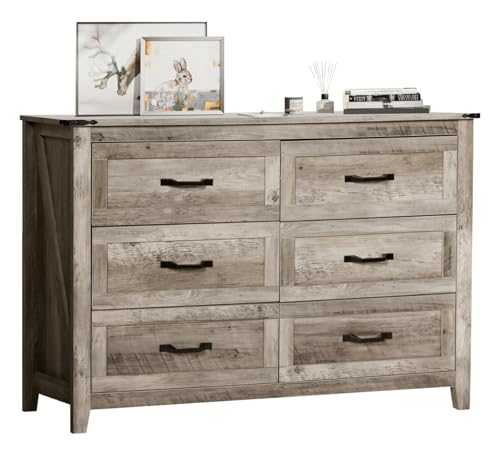
6 Drawer Oak Chest of Drawers: The Complete Guide
A six-drawer oak chest combines generous storage with the timeless appeal of natural oak. This guide covers sizing, construction, drawer mechanics, and styling so you can choose with confidence.
A 6 drawer oak chest of drawers sits at a practical sweet spot in bedroom storage. It offers more capacity than a compact four-drawer unit while staying more space-efficient than a wide eight-drawer dresser. Oak brings natural grain, warmth, and a reputation for durability that makes it a popular choice for buyers who want furniture that lasts. Whether you are furnishing a main bedroom, a guest room, or a walk-in closet, understanding how these chests are built and sized will help you pick the right one.
Quick orientation: In furniture terminology, a chest of drawers is typically taller than it is wide, while a dresser is wider than it is tall. A six-drawer oak chest usually measures roughly 30 to 40 inches wide and 48 to 60 inches tall, but dimensions vary by design. Always confirm the exact measurements before ordering.
Why Choose Oak for a Six-Drawer Chest?
Oak has been a furniture staple for centuries, and for good reason. Its dense grain structure resists dents and wear better than softer woods, and its prominent grain pattern gives each piece a distinct character. For a six-drawer chest that will be opened and closed daily, that resilience matters.
- Durability: Oak handles daily use well, making it suitable for high-traffic bedrooms and family homes.
- Grain character: From straight, clean lines to dramatic cathedral patterns, oak offers visual interest without applied decoration.
- Finishing flexibility: Oak accepts stains, oils, and paints readily, so it works across traditional, rustic, and modern interiors.
- Repairability: Solid oak surfaces can often be sanded and refinished, extending the life of the piece.
If you are comparing wood options, our guide to brown oak dressers covers finish tones and how oak ages over time. For a broader look at natural timber finishes, see natural wood dressers.
Solid Oak vs. Oak Veneer: What to Expect
Not every chest marketed as "oak" is solid oak throughout. Many mid-range and premium pieces use solid oak for the frame and drawer fronts with oak veneer over engineered wood panels for the sides and back. This is a legitimate construction method that controls movement and keeps weight manageable, but the distinction affects longevity and how the piece responds to humidity changes.
- Solid oak construction: The most durable option, typically found in high-end and heirloom-grade furniture. It can be refinished multiple times.
- Solid oak frame with veneer panels: Common in mid-range pieces. Offers the look of oak with greater dimensional stability.
- Oak veneer over engineered wood: Often found at entry-level and mid-tier positions. The visual result can be convincing, but the core material is less forgiving of moisture and impact.
For a deeper comparison of core materials, read our article on engineered wood dressers and how they compare with solid timber builds.
Sizing a Six-Drawer Oak Chest for Your Room
Six-drawer chests come in several footprints. Before choosing, measure your available wall space, the swing path of doors and closet doors, and the clearance needed to fully open the drawers. A drawer that extends 15 to 18 inches needs that much open floor space in front of the chest.
| Configuration | Typical Width | Typical Height | Best For |
|---|---|---|---|
| Narrow tall chest | 30–36 in | 52–60 in | Small bedrooms, tight wall segments, closets |
| Standard chest | 36–40 in | 48–56 in | Main bedrooms, guest rooms |
| Wide low chest | 44–50 in | 36–44 in | Rooms where the chest doubles as a surface for decor or a TV |
If your room is tight, our guides to 30-inch wide chest of drawers and 36-inch wide chest of drawers break down what fits in narrow spaces. For larger rooms, see 48-inch wide chest of drawers.
Understanding Six-Drawer Layouts
Six drawers can be arranged in several ways, and the layout affects how usable the chest feels day to day:
- Two columns of three: The most common layout. Each drawer is roughly half the chest width, which keeps drawer weight manageable and suits folded clothing.
- Three columns of two: Narrower drawers that work well for accessories, socks, and smaller items, though they offer less space for bulky knitwear.
- Mixed layout: Some designs combine a wide top drawer with narrower drawers below, or include a deep bottom drawer for bedding. Mixed layouts are practical if you store a range of item sizes.
If deep storage is a priority, consider a design with at least one deep bottom drawer or explore our guide to chest of drawers with deep drawers.
Drawer Mechanics: What Separates Tiers
Drawer slides are one of the clearest indicators of where a chest sits in the market. The difference between tiers shows up most in how smoothly drawers glide when fully loaded and how long that smoothness lasts.
| Tier | Typical Drawer Slide | What to Expect |
|---|---|---|
| Entry-level | Basic side-mounted roller slides | Functional movement; may feel less smooth under heavy loads and can loosen over time. |
| Mid-range | Ball-bearing side or undermount slides | Smoother operation and better load capacity; often includes soft-close on upper drawers. |
| Premium | Full-extension soft-close undermount slides | Full access to drawer contents, quiet closing, and consistent performance over years of use. |
| Luxury / heirloom | Heavy-duty full-extension slides with dovetail joinery | Commercial-grade durability, precise alignment, and construction designed to be serviced and passed down. |
Upgrading to better slides is one of the highest-impact improvements in daily use. Our article on heavy-duty soft-close drawer slides explains what to look for, and heavy-duty full-extension dresser slides covers the full-access option.
Joinery and Build Quality
Look inside the drawers, not just at the front. Dovetail joinery at the drawer corners signals a higher level of construction than stapled or glued butt joints. A solid oak frame with corner blocks, a reinforced back panel, and a finished interior are all signs of a chest built to last. Anti-tip hardware is also essential, especially in homes with children, and many better chests now include it as standard.
Build quality checklist
- Dovetail or reinforced drawer box joints
- Full-extension or quality ball-bearing slides
- Solid oak frame with stable panels
- Finished drawer interiors (no rough splinters)
- Anti-tip strap or wall-anchoring hardware included
- Consistent drawer alignment and even gaps
Styling and Placement Ideas
Oak's warm tone pairs well with whites, greens, and muted earth tones. A tall six-drawer chest works as a vertical anchor in a small bedroom, while a lower, wider configuration can support a mirror, lamp, or decorative display. If you want the chest to double as a media surface, our guide to a dresser with TV stand covers safe height and weight considerations.
For inspiration on finishes that complement oak, explore dresser with painted finish and grey dressers. If you prefer a moodier palette, black dresser with mirror shows how dark tones contrast with oak grain.
Before You Buy: A Practical Checklist
- Measure the wall space and the floor clearance for open drawers.
- Confirm whether the oak is solid, veneered, or a combination.
- Check the drawer slide type and whether soft-close is included.
- Verify that anti-tip hardware is supplied.
- Consider the drawer layout against what you actually store.
- Plan delivery access: stair width, doorways, and turning space.
Frequently Asked Questions
How wide is a typical 6 drawer oak chest of drawers?
Most six-drawer oak chests fall between 30 and 40 inches wide, with taller narrow designs at the lower end and wider low chests reaching 44 to 50 inches. Always check the specific product dimensions.
Is solid oak better than oak veneer for a chest of drawers?
Solid oak is more durable and can be refinished, but quality oak veneer over a stable core is a legitimate construction method that resists warping. The best choice depends on your priorities and the build quality of the specific piece.
How much storage does a six-drawer chest offer compared to a dresser?
A six-drawer chest typically offers more vertical storage in a smaller footprint, while a wide dresser provides broader drawer surfaces. If floor space is limited, a tall six-drawer chest is often the more efficient option.
Do I need to anchor a tall oak chest to the wall?
Yes. Tall chests should be secured with anti-tip hardware, especially in households with children or pets. Most quality chests include the necessary strap or bracket.
What should I look for in drawer slides?
Full-extension, soft-close undermount slides represent the premium tier. Ball-bearing side slides are a solid mid-range option. Basic roller slides are common at entry-level and are functional but less smooth under load.