3 Drawer Dresser with Changing Top: The Complete Nursery Storage Guide
A three-drawer dresser with a changing top is one of the smartest space-saving choices for a nursery. This guide explains how these dual-purpose pieces work, what to check before buying, and how to organize one for a calmer, safer baby room.
Why this piece matters: A 3 drawer dresser with changing top combines two nursery essentials into a single footprint. Instead of buying a separate changing table and dresser, you get one stable, secure surface for diaper changes and three drawers for clothing, diapers, and bedding. For small nurseries, apartments, and shared bedrooms, that efficiency is hard to beat.
What Is a 3 Drawer Dresser with Changing Top?
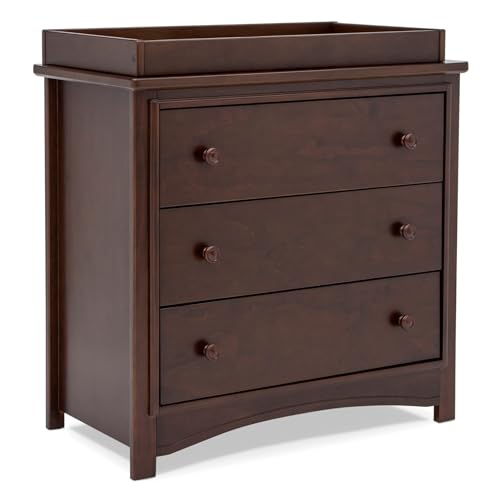
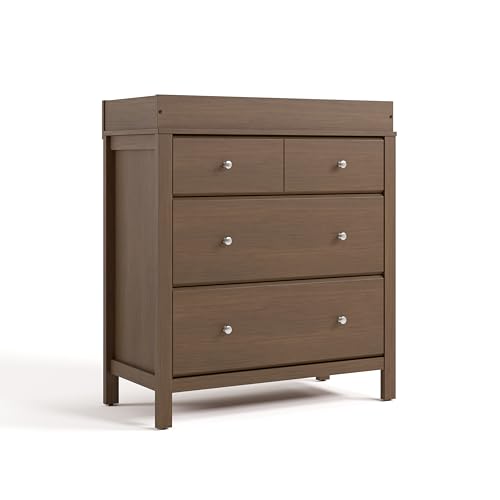
A 3 drawer dresser with changing top is a nursery storage unit built around three full-width drawers, topped with a raised platform or removable tray designed to hold a standard changing pad. The changing top usually features raised edges, a safety strap, or a contoured rim that keeps the pad in place during use. Once your child outgrows diaper changes, the top can often be removed, leaving a clean, functional three-drawer dresser that serves the room for years.
These pieces sit at the intersection of two furniture categories. They borrow the compact footprint and drawer layout of a standard 3 drawer dresser, while adding the raised, padded work surface associated with a nursery dresser with changing top. If you are still comparing formats, our dresser buying guide walks through the broader decision framework.
Most models fall into the mid-range to premium tier of nursery furniture. Entry-level options tend to use engineered wood with a laminate finish, while mid-range and high-end tier pieces often feature solid wood fronts, dovetail drawer joints, and smoother glides. A well-built unit is a long-term investment because it transitions from changing station to everyday dresser without losing function.
Why Choose a Three-Drawer Changing Dresser?
The three-drawer configuration is the sweet spot for most new parents. It is compact enough to fit beside a crib or under a window, yet deep enough to hold a full rotation of infant clothing, a supply of diapers, and extra bedding. Here is what makes this format practical:
- Space efficiency: One piece replaces two, freeing floor space for a glider, play mat, or additional storage.
- Workflow at waist height: A changing surface around 36 to 40 inches high reduces back strain during frequent diaper changes.
- Built-in organization: Three drawers create a natural sorting system: one for diapers and wipes, one for daily clothing, one for blankets and backup supplies.
- Longevity: Remove the changing top and the piece becomes a standard dresser that grows with your child.
- Stability: Dedicated nursery dressers are usually engineered with wider bases and anti-tip hardware, which matters in a room where a baby is lifted and placed repeatedly.
If you prefer a brighter palette for a nursery, a white changing table dresser is a popular choice because it reflects light and pairs easily with wall decor. Families who want a more traditional look often gravitate toward Shaker dressers with clean lines and recessed panels.
Sizing and Dimensions: What to Measure Before You Buy
A three-drawer changing dresser is not a one-size piece. Before ordering, measure your nursery wall, your doorway, and the clearance around the crib. The table below summarizes the typical ranges you will encounter across quality tiers.
| Dimension | Typical Range | What It Means for You |
|---|---|---|
| Width | 30 to 44 inches | Narrow models suit tight walls; wider models give more changing-pad room and drawer volume. |
| Depth | 17 to 20 inches | Deeper units fit standard changing pads and hold more folded clothing per drawer. |
| Height (with top) | 36 to 40 inches | Ergonomic changing height for most adults; check against your own standing height. |
| Drawer interior height | 5 to 8 inches | Deeper drawers handle blankets and sleep sacks; shallower drawers suit folded onesies. |
| Changing surface | 16 x 32 inches minimum | Must accommodate a standard contoured changing pad with a safety strap. |
Also confirm the assembled weight and whether the unit ships fully assembled or flat-packed. A pre-assembled dresser saves time and reduces the risk of assembly errors that can affect stability. If you are working with a very tight footprint, compare this format against a small dresser or a tall skinny dresser to see which shape fits your wall best.
Materials and Construction Quality
Nursery furniture takes more abuse than most bedroom pieces. Drawers open and close dozens of times a day, the changing surface is wiped down constantly, and the unit may be leaned on during diaper changes. Construction quality directly affects how long the piece stays stable and safe.
Wood and Engineered Options
Solid wood remains the most durable choice for drawer fronts and frames. Hardwoods such as oak, maple, and walnut resist warping and hold screw threads better over repeated use. If you want a natural grain look, a solid wood 3 drawer dresser is the strongest option in this category. Engineered wood with a quality laminate or veneer is common at the entry level and mid-tier; it is stable and consistent, but the edges and hardware mounting points are more vulnerable to wear over time.
Drawer Glides and Joints
Drawer hardware separates a well-specified unit from a basic one. Look for these details:
- Metal ball-bearing glides with a smooth, quiet action and a built-in stop.
- Dovetail or doweled joints on drawer boxes rather than stapled corners.
- Reinforced drawer bottoms that resist sagging when loaded with diapers or books.
- Soft-close mechanisms that prevent slamming, which is especially valuable during nap time.
A mid-range model usually upgrades to metal glides and sturdier joints, while top-tier and premium pieces often include dovetail construction and thicker drawer sides. If you plan to refinish the piece later, check our guide on refinishing wood furniture with paint before you commit to a finish you may want to change.
Finishes and Hardware
Nursery finishes should be low-odor and durable. Water-based finishes and non-toxic paints are preferable in a room where a baby spends long stretches. Hardware should be firmly attached and free of sharp edges. If you want to personalize the look, swapping knobs is an easy upgrade; our notes on bureau drawer knobs cover sizing and compatibility.
Safety Checklist for Changing Top Dressers
Safety is the single most important factor when choosing a changing dresser. Furniture tip-over incidents are preventable, and the right features make daily use far less stressful.
- Anti-tip kit included: A wall anchor strap or bracket should come in the box. If it does not, buy one before assembly.
- Secure the unit to the wall: Anchor into a stud or use appropriate drywall anchors rated for the dresser's loaded weight.
- Raised changing surface edges: At least one inch of raised rim on all sides helps keep the pad in place.
- Safety strap on the pad: A contoured pad with a waist strap adds a layer of security during changes.
- Drawer stops: Stops prevent drawers from pulling completely free, which can shift the center of gravity.
- No sharp corners or exposed fasteners: Check the changing top and drawer fronts for rough edges.
- Stable base: Legs should sit flat with no wobble. Avoid placing the unit on thick carpet without checking stability.
Never leave a baby unattended on the changing surface, even for a moment, and keep diaper supplies within arm's reach so you do not have to step away. These habits matter more than any single feature.
How to Organize a Three-Drawer Changing Dresser
Three drawers are plenty when each one has a clear job. A simple zone system keeps diaper changes fast and prevents the nursery from becoming cluttered.
Drawer 1: Diaper Station
Keep diapers, wipes, diaper cream, and a changing pad liner in the top drawer closest to the changing surface. Use small dividers or shallow bins so supplies stay upright and visible. Restock this drawer weekly so you are never caught mid-change without essentials.
Drawer 2: Daily Clothing
This drawer holds the current size rotation: onesies, sleepers, socks, and a few bibs. Fold items vertically so you can see everything at a glance. Rotate outgrown sizes every few weeks, moving them to a storage bin or a larger dresser elsewhere.
Drawer 3: Bedding and Backups
Use the bottom drawer for crib sheets, sleep sacks, swaddles, and backup supplies. This is also a good place for a small emergency kit with a thermometer and nail clippers. For additional overflow, consider under bed storage bins so the dresser does not become overstuffed.
If you want a deeper organization system, our complete dresser buying guide includes drawer-planning advice that applies directly to nursery units.
Who Should Choose This Format?
A 3 drawer dresser with changing top is ideal for:
- Small nurseries and apartments where every square foot counts.
- Parents who want a single purchase that covers both changing and clothing storage.
- Families planning a second child who want a piece that can serve multiple nurseries over time.
- Minimalist setups that prefer fewer, multi-functional furniture pieces.
It may be less suitable if you need extensive storage for older children or if you plan to co-sleep and use a separate changing station in another room. In those cases, a 5 drawer dresser or a dedicated nursery dresser with changing top with more volume may be a better fit.
3 Drawer Changing Dresser vs. Other Nursery Storage
| Option | Best For | Trade-Off |
|---|---|---|
| 3 drawer dresser with changing top | Compact nurseries needing dual function | Limited drawer volume compared with larger units |
| Dedicated changing table | Short-term changing needs with open shelving | Becomes redundant after potty training |
| 4 or 5 drawer dresser | Families with more clothing and bedding | Larger footprint; changing top may be sold separately |
| Tall chest of drawers | Rooms with narrow floor space | Changing surface is usually at an awkward height |
Frequently Asked Questions
What is a 3 drawer dresser with changing top?
It is a nursery storage unit that combines three drawers for clothing and supplies with a flat, raised surface designed to hold a changing pad. It serves double duty as both a dresser and a changing table, saving space in smaller nurseries.
How long can I use a changing top dresser?
Most families use the changing top for the first 12 to 24 months, until the child is potty trained. After that, the removable changing top can be taken off, and the piece continues to function as a standard three-drawer dresser for years.
Is a 3 drawer dresser big enough for a nursery?
For most newborns and infants, three drawers provide enough room for clothing, blankets, diapers, and wipes. Families with limited closet space may prefer a four or five drawer model, but a well-organized three-drawer unit works well for a minimalist nursery.
What safety features should I look for?
Look for an anti-tip kit or wall anchor strap, a changing top with raised edges or guard rails, drawer stops that prevent full pull-out, and smooth-glide hardware. Always secure the dresser to the wall according to the manufacturer's instructions.
Can the changing top be removed later?
On most models, yes. The top is either a removable tray or a separate piece that unscrews from the dresser frame. Check the product specifications to confirm whether the top is removable and whether the dresser looks finished underneath.