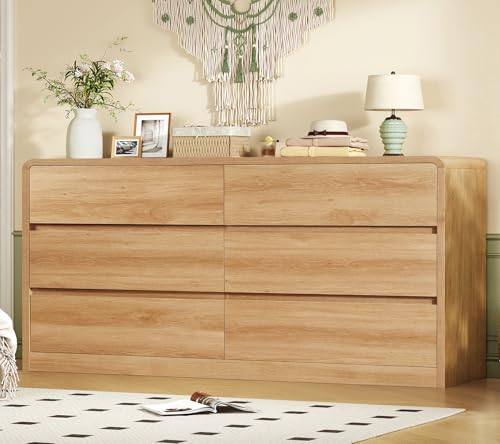
Birch Dresser: A Complete Guide to Style, Quality & Selection
Understand what makes birch a distinctive dresser material — from grain character and finish options to drawer construction and room matching — so you can choose with confidence.
Why a birch dresser deserves a closer look: Birch is a hardwood that balances visual refinement with practical durability. Its fine, even grain and light natural tone make it a versatile foundation piece for bedrooms of nearly any design direction, while its density gives drawer fronts and carcasses a reassuring solidity that distinguishes it from many entry-level alternatives.
This guide walks through what birch wood actually is, how it behaves over time, the styles that showcase it best, what to inspect in drawer construction and hardware, and how to match a birch piece to your existing bedroom furniture. By the end, you should have a clear framework for evaluating birch dressers and know exactly what to prioritize.
What Is a Birch Dresser?
A birch dresser is a storage chest whose primary visible material — drawer fronts, top, and often the carcass — is constructed from birch wood or a birch veneer over an engineered core. Birch belongs to the hardwood family and is recognized for its pale, creamy tone that ranges from nearly white to a soft golden hue, depending on the species and finish applied.
Because birch takes stains and paints exceptionally well, it appears across a wide spectrum of design styles. A natural or clear-finished birch dresser reads as Scandinavian or mid-century modern, while a painted birch piece fits farmhouse, coastal, or contemporary interiors. The wood's tight, uniform grain also means it presents a cleaner, more understated appearance than oak or ash, which makes it easier to integrate into a room with other wood tones.
Solid Birch vs. Birch Veneer
Both construction types are legitimate, and the right choice depends on your priorities:
- Solid birch construction — heavier and generally more resistant to long-term wear on edges and corners. It is the hallmark of high-end and premium tiers, where the entire visible structure is built from solid stock.
- Birch veneer over engineered wood — uses thin slices of real birch bonded to a stable core such as plywood or MDF. This approach controls movement, keeps the piece lighter, and is common in mid-range and entry-level tiers. Quality veneer furniture can be durable when the core is well-sealed and the edges are properly banded.
When evaluating a listing, look for the phrase "solid birch" or "birch solids and veneers" to understand exactly which components are solid. Drawer fronts and tops in solid birch are a meaningful quality indicator; a veneer carcass is perfectly acceptable in mid-range pieces provided the joinery is sound.
Grain, Color, and Finish Characteristics
Birch grain is fine and closed, with a subtle, consistent pattern that rarely demands attention. This is a key reason it suits minimalist and modern interiors: it provides the warmth of wood without the visual busyness of more dramatic species. Its natural color is light — think fresh cream with faint honey undertones — which helps smaller bedrooms feel brighter and more open.
Common Finishes
- Clear or natural finish — preserves the pale tone and shows the grain most directly. Best for Scandinavian, Japanese, and modern organic styles.
- Whitewashed or pickled finish — lightens the wood further for a coastal or cottage feel.
- Warm stains — honey and amber tones deepen the color while retaining the grain's refinement; this look pairs naturally with mid-century furniture.
- Painted finishes — birch accepts paint evenly, making it a favorite for farmhouse, traditional, and color-forward bedrooms. A painted birch dresser can be a long-term investment because refinishing is straightforward.
- Two-tone treatments — a natural birch top with a painted body is a common contemporary pattern that adds visual interest without pattern.
Birch Dresser Styles That Work Well
Because birch is visually restrained, it adapts to a wide range of aesthetics. These are the most common and most successful applications:
Scandinavian and Modern Minimalist
Clean-lined birch dressers with tapered legs, slim pulls, and natural finishes are a natural fit for Nordic-inspired bedrooms. The pale wood tone keeps the room airy, and the absence of heavy ornamentation supports a calm, uncluttered atmosphere.
Mid-Century Modern
Birch was a staple of mid-century furniture production, and its warm, honey-toned finish under a clear coat reads as authentically period-appropriate. Look for splayed legs, recessed pulls, and a low, wide proportion.
Farmhouse and Cottage
Painted birch — often in soft white, sage, or warm gray — with simple hardware and a plank-style top fits farmhouse and cottage bedrooms. Birch's even surface takes paint beautifully, and the wood's density means the piece holds up well over years of use.
Contemporary and Transitional
Two-tone birch dressers, natural tops paired with matte painted bodies, and birch pieces with metal or leather pulls bridge traditional and modern rooms. These designs are especially useful when the rest of the bedroom furniture is neutral.
Drawer Construction and Hardware: What to Inspect
The visible wood is only part of the story. Drawer construction determines how a dresser feels and functions day to day, and it is where quality differences between tiers are most apparent.
Drawer Boxes and Joinery
- Dovetail joinery — interlocking wedge-shaped joints at the drawer corners. This is the benchmark for durable construction and is typical of premium and high-end tiers.
- French dovetail or dado joinery — strong alternatives found in mid-range and upper mid-tier pieces.
- Stapled or nailed boxes — common in entry-level construction. Acceptable for light use, but more likely to loosen over time.
- Drawer bottoms — look for a bottom that is set into a groove rather than stapled to the underside. A grooved bottom supports heavier loads and resists sagging.
Glides and Runners
- Wood-on-wood runners — traditional, quiet, and durable when waxed. Found in many premium and heirloom-style pieces.
- Side-mounted ball-bearing glides — smooth and reliable; common in mid-range furniture.
- Undermount soft-close glides — the smoothest and quietest option, typically found in top-tier and professional-grade construction.
- Center-mounted guides — the simplest and least refined; often found in entry-level pieces.
Hardware
Pulls and knobs matter both functionally and aesthetically. Solid metal hardware with a consistent finish is preferable to plated or lightweight hardware that can tarnish or loosen. Check that pulls are attached with machine screws into threaded inserts rather than screwed directly into thin wood, which can strip over time.
| Tier | Typical Birch Construction | Drawer Details | Best For |
|---|---|---|---|
| Entry-level | Birch veneer over engineered core; partial solid birch accents | Stapled boxes, center guides, basic metal pulls | Guest rooms, starter bedrooms, light-use spaces |
| Mid-range | Birch veneer with solid birch fronts and top | French dovetail boxes, side ball-bearing glides, solid metal hardware | Primary bedrooms, family use, balanced durability |
| Premium | Solid birch carcass and fronts with select veneer panels | English dovetail boxes, undermount soft-close glides, premium hardware | Long-term daily use, design-focused bedrooms |
| Luxury / high-end | All solid birch or solid hardwood with birch veneer, hand-finished | Hand-cut dovetails, wood-on-wood or premium undermount runners, custom hardware | Heirloom pieces, luxury primary suites, collector furniture |
Choosing the Right Size and Placement
Scale is where many dresser purchases go wrong. A birch dresser should relate to the bed, the wall it sits against, and the walking clearance around it. As a rule of thumb, the dresser's width should be roughly two-thirds the width of the bed for visual balance, though this varies with the room.
Common Configurations
- Wide, low dressers — six to nine drawers across a broad frame. Ideal for primary bedrooms and rooms where the dresser doubles as a surface for decor or a mirror.
- Tall chests — five to six drawers stacked vertically, suited to compact rooms where floor space is limited.
- Standard six-drawer dressers — the most versatile all-purpose configuration for most bedrooms.
If you are furnishing a full bedroom at once, a coordinated approach can simplify matching. A dresser and nightstand set keeps finishes and hardware consistent, while a dresser with mirror set adds a functional dressing surface. For rooms that need more storage, a set with a dresser and chest combines a wide dresser with a tall chest for layered storage.
Consider how the dresser will be used before finalizing size. A wide top is valuable if you plan to place a mirror or decor on it; a tall chest is more efficient if drawer depth matters more than surface area. If the bedroom is small, a birch wood dresser in a narrower configuration can preserve walkway clearance without sacrificing storage.
Matching a Birch Dresser to Your Bedroom
Birch's pale tone and subtle grain make it one of the easier woods to integrate. The key is to decide whether the piece should harmonize with or contrast against the existing furniture.
Harmonizing Approach
Pair natural or honey-toned birch with warm neutrals, oatmeal textiles, and other light-to-medium woods. This creates a cohesive, calm bedroom. A beige dresser and nightstand set is a useful reference point for the kind of soft, tonal palette that works well with birch.
Contrast Approach
Use a light birch dresser against darker walls, dark bedding, or darker wood bed frames to create visual contrast. A black and wood dresser pairing demonstrates how a strong contrasting tone can make pale wood read as intentional rather than incidental.
Bedroom Style References
If you are styling around a specific bedroom look, these set pages show how dressers fit into complete rooms: bedroom sets with large dressers, dresser and nightstand combinations, and dresser with two nightstands. For rooms where the dresser is the visual anchor, a set with a chest of drawers offers additional storage and a coherent design language.
Caring for a Birch Dresser
Birch is a practical wood to maintain, but it does respond to its environment. Keeping care simple will preserve both the finish and the structure.
- Dust regularly with a soft, dry cloth. Avoid abrasive pads, which can dull a clear finish.
- Use a damp cloth sparingly for fingerprints or sticky spots, then dry immediately. Do not let water sit on the surface.
- Avoid direct sunlight on natural-finish birch, which can shift the tone over time. Rotate decor periodically if sun exposure is uneven.
- Control humidity where possible. Birch, like most hardwoods, can expand and contract with significant seasonal humidity changes; a stable indoor environment keeps drawers sliding smoothly.
- Lubricate wood-on-wood runners occasionally with a furniture wax or a dedicated drawer lubricant to maintain smooth operation.
- Tighten hardware annually — a quick check of drawer pulls prevents loosening and protects the wood around the mounting points.
Common Buying Mistakes to Avoid
- Assuming all "birch" dressers are solid wood. Always confirm which parts are solid and which are veneer.
- Overlooking drawer construction. A beautiful exterior can hide stapled drawer boxes; check the joinery before deciding.
- Buying purely by width. Depth and height matter just as much for walkway clearance and visual proportion.
- Ignoring finish type. Natural, whitewashed, and painted birch behave differently over time and suit different interiors.
- Not measuring the delivery path. Birch dressers are often substantial pieces; confirm doorway widths and stair clearances before ordering.
Frequently Asked Questions
Is birch a good wood for a dresser?
Yes. Birch is a hardwood with a fine, uniform grain and good density. It takes finishes well, resists everyday wear reasonably, and offers a clean aesthetic that suits many bedroom styles. The main variable is construction quality — solid birch and well-made birch veneer pieces both perform well, while poorly built boxes are the real weakness to watch for.
How can I tell if a dresser is solid birch or veneer?
Look at the edges of the top and drawer fronts. Solid birch shows end grain at the edges; veneer shows a thin layer over a core, sometimes with a visible seam line. Product descriptions usually state "solid birch" or "birch solids and veneers." If the listing is ambiguous, treat it as veneer until confirmed.
Does birch dresser color change over time?
Natural and clear-finished birch can warm slightly with age and sun exposure, shifting from a pale cream toward a soft honey tone. Painted and heavily stained finishes are more color-stable. If color consistency matters, avoid placing the dresser in direct sunlight.
What style of bedroom suits a birch dresser best?
Birch is unusually adaptable. Natural finishes lean Scandinavian and mid-century modern, painted birch fits farmhouse and cottage, and two-tone or metal-hardware birch pieces suit contemporary and transitional rooms. The wood rarely dictates the style — the finish and hardware do.
How many drawers should a birch dresser have?
Most bedrooms are well served by a six-drawer dresser, which balances capacity with a manageable footprint. Wide nine-drawer dressers suit primary bedrooms with more floor space, while tall five-drawer chests work in compact rooms. Choose based on storage volume and available wall width rather than a fixed number.
Ready to Choose Your Birch Dresser?
Review the recommended birch dressers below, compare construction details against the tiers in this guide, and select the piece that fits your bedroom's scale and style.
View Recommended Options