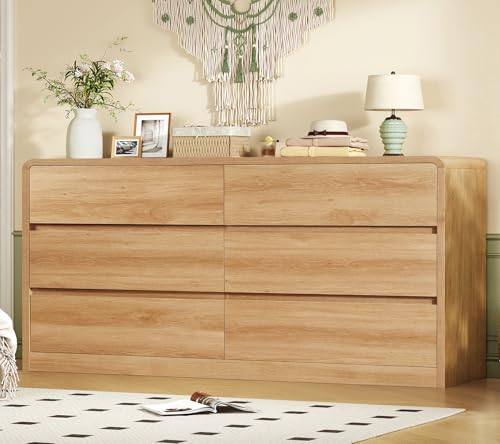
Birch Wood Dresser: A Complete Guide
Everything you need to know about choosing, caring for, and living with a birch wood dresser — from grain characteristics to drawer construction and style pairings.
Start ReadingWhy Choose a Birch Wood Dresser?
Birch is one of the most versatile hardwoods used in bedroom furniture. It offers a clean, uniform grain pattern that works beautifully in both contemporary and traditional interiors. Unlike oak, which has a pronounced, open grain, or walnut, which carries a rich dark tone, birch presents a subtle, even texture that accepts stains and paints with remarkable consistency.
For anyone researching bedroom storage, a birch wood dresser represents a smart middle ground: it is harder than pine, more uniform than oak, and more accessible in market positioning than exotic hardwoods. Whether you are outfitting a master bedroom, a guest room, or a nursery, birch offers a balance of durability, aesthetics, and long-term performance.
If you are still deciding between furniture types, our guide to birch dressers explores how this material performs across different dresser configurations. And if you are comparing birch against other wood options, our broader dresser types resource covers the full spectrum of styles and constructions.
Birch Wood Characteristics: What Makes It Different
Understanding the material is the first step toward making a confident purchase. Birch (Betula species) is a deciduous hardwood found primarily in northern climates. The wood is dense, fine-grained, and relatively light in color — ranging from creamy white to pale yellow-brown, sometimes with a subtle reddish hue in the heartwood.
Grain and Texture
Birch has a closed, straight grain with a fine, uniform texture. This makes it ideal for furniture that requires a smooth, flawless finish. Unlike open-grained woods that require fillers before finishing, birch takes paint and stain evenly, which is why it is a favorite for both natural-finish and painted dressers.
Hardness and Durability
On the Janka hardness scale, birch ranks higher than pine and comparable to maple. This means a birch wood dresser resists dents, scratches, and everyday wear better than softer woods. For a bedroom piece that will see daily use — opening and closing drawers, placing items on top, and enduring the occasional bump — this durability is a meaningful advantage.
Workability and Construction
Birch machines well, holds screws and joinery securely, and takes both oil-based and water-based finishes beautifully. In quality furniture, solid birch is often used for drawer fronts, frames, and legs, while birch veneers may be applied over engineered wood for large panels. A well-constructed birch dresser will feature dovetail joints, reinforced corners, and smooth-gliding drawer mechanisms.
Birch vs. Other Dresser Woods: A Comparison
To help you contextualize birch within the broader furniture market, here is a comparison of the most common dresser woods:
| Wood Type | Hardness | Grain Pattern | Best For | Market Tier |
|---|---|---|---|---|
| Birch | Hard | Fine, uniform, closed | Modern and transitional styles; painted or natural finishes | Mid-range to premium |
| Pine | Soft | Pronounced knots, open | Rustic, farmhouse, and cottage styles | Entry-level |
| Oak | Very hard | Open, prominent rays | Traditional and craftsman styles; heavy-use pieces | Mid-range to premium |
| Maple | Very hard | Fine, closed, subtle | Contemporary and minimalist designs | Premium |
| Walnut | Hard | Rich, open, dark | Luxury and mid-century modern styles | Luxury |
As the table shows, birch sits comfortably in the mid-range to premium tier depending on construction quality. It offers better durability than pine without the visual weight of oak or walnut, making it a versatile choice for a wide range of interior styles.
Pros and Cons of Birch Wood Dressers
✅ Advantages
- Dense, hard wood that resists dents and scratches
- Fine, uniform grain that takes finishes evenly
- Lighter tone that brightens bedroom spaces
- Works in both painted and natural-finish designs
- More durable than pine at a similar market position
- Excellent for modern, Scandinavian, and transitional styles
⚠️ Considerations
- Can be prone to movement in high-humidity environments if not properly sealed
- Solid birch is heavier than pine, which matters for upstairs delivery
- Veneer-over-engineered construction is common in lower tiers — check specifications
- Less visually distinctive than oak or walnut for those seeking bold grain
How to Evaluate a Birch Wood Dresser Before Buying
Not all birch dressers are created equal. The material is only one part of the equation — construction quality, hardware, and finish determine how the piece will perform over time. Here is what to examine:
1. Drawer Construction
Look for dovetail joints at the drawer corners — these are a hallmark of quality construction and far more durable than stapled or glued butt joints. The drawer bottom should be set in a groove, not simply nailed to the sides. English dovetails at the front and French dovetails at the back are a strong indicator of a well-built piece.
2. Drawer Glides
Metal ball-bearing glides with soft-close mechanisms are the gold standard. They provide smooth operation and prevent drawers from slamming. Entry-level birch dressers may use wooden runners or simple metal slides; mid-range and premium models typically upgrade to side-mounted or under-mounted ball-bearing systems.
3. Finish Quality
A properly finished birch dresser will have a smooth, even surface with no rough patches or drips. The finish should be consistent across the top, sides, and drawer fronts. For painted finishes, check that the paint is applied evenly and that the grain does not show through as texture.
4. Solid Wood vs. Veneer
Many birch dressers use solid birch for structural components (legs, frames, drawer fronts) and birch veneer over engineered wood for large panels (top, sides). This is a legitimate and common construction method — veneer actually resists warping better than solid wood in large panels. What matters is that the veneer is thick enough and properly bonded.
5. Stability and Safety
A dresser should feel solid when you press against it. Check that it comes with an anti-tip kit — this is especially important for nursery and children's room applications. Our guide to nursery dressers covers safety considerations in more detail.
Birch Dresser Styles and Room Pairings
Birch's clean grain and light tone make it exceptionally versatile. Here are some of the most popular style applications:
Modern and Contemporary
Birch's uniform grain suits clean-lined, minimalist designs. A natural-finish birch dresser with simple hardware and straight legs fits seamlessly into modern bedrooms. Pair it with a dresser and nightstand set for a cohesive look.
Scandinavian
The light, warm tone of birch is a natural match for Scandinavian design principles — functional, understated, and connected to natural materials. A birch dresser with tapered legs and minimal ornamentation is a quintessential Scandinavian piece.
Transitional
Transitional interiors blend traditional and contemporary elements. A birch dresser with subtle molding, brushed metal hardware, and a warm finish bridges both worlds effortlessly. Consider pairing with a dresser with mirror for a complete look.
Nursery and Children's Rooms
Birch's durability and smooth finish make it a practical choice for nurseries. It is harder than pine, resists wear better, and takes non-toxic finishes well. Explore our nursery dresser recommendations for safe, stylish options.
Care and Maintenance for Your Birch Wood Dresser
A birch dresser is a long-term investment, and proper care will keep it looking beautiful for decades. Here is a simple maintenance routine:
Daily Care
- Dust regularly with a soft, lint-free cloth. Microfiber works well.
- Avoid placing wet items directly on the surface — use coasters or trays.
- Wipe up spills immediately with a slightly damp cloth, then dry with a soft towel.
Periodic Maintenance
- Every 3–6 months, apply a furniture polish or wax designed for sealed wood. This maintains the finish and protects against moisture.
- Check drawer glides and hardware periodically. Tighten screws and lubricate metal glides if they become stiff.
- Inspect for any signs of wood movement, especially in areas with seasonal humidity changes.
What to Avoid
- Do not use abrasive cleaners, scouring pads, or ammonia-based products — they can damage the finish.
- Avoid placing the dresser in direct sunlight for extended periods, as this can cause fading or uneven aging.
- Do not overload drawers — this strains the glides and joints over time.
Frequently Asked Questions About Birch Wood Dressers
Is birch wood a good choice for a dresser?
Yes. Birch is a hardwood with a fine, uniform grain and good durability. It takes finishes well, resists dents better than pine, and suits a wide range of interior styles. It is a solid choice for anyone seeking a durable, visually clean dresser.
How does birch compare to pine for dressers?
Birch is harder and more durable than pine, making it less prone to dents and scratches. Pine has a more rustic, knotty appearance and typically sits in the entry-level tier. Birch generally falls in the mid-range to premium tier depending on construction and finish.
What drawer mechanisms should I look for in a birch dresser?
Look for metal ball-bearing glides or soft-close mechanisms. These ensure smooth, quiet operation and longevity. Mid-range and premium birch dressers often feature these as standard, while entry-level models may use simpler wooden runners or basic metal slides.
Can a birch dresser be painted?
Yes. Birch is an excellent candidate for painting because its fine, closed grain provides a smooth surface that accepts paint evenly. Proper preparation — sanding, priming with a bonding primer, and applying a quality topcoat — will yield a durable, professional-looking result.
Does birch furniture warp easily?
Birch is relatively stable, but like all solid wood it can be sensitive to extreme humidity fluctuations. In well-constructed furniture, birch is often used in combination with veneered panels to minimize movement. Keeping indoor humidity between 30–50% will help maintain stability.
Final Thoughts: Is a Birch Wood Dresser Right for You?
A birch wood dresser is a smart, durable, and versatile choice for anyone who values clean lines, even grain, and long-term performance. It sits in a comfortable position between entry-level pine and top-tier hardwoods like walnut, offering excellent durability without the visual heaviness of darker woods.
Whether you are furnishing a master bedroom, a guest room, or a nursery, birch adapts to a range of styles — from minimalist Scandinavian to warm transitional. Pay attention to construction details (dovetail joints, quality glides, even finish) and you will have a piece that serves you well for many years.
Explore our birch dresser collection guide for specific product categories, or browse bedroom sets with dressers and nightstands to complete your room.