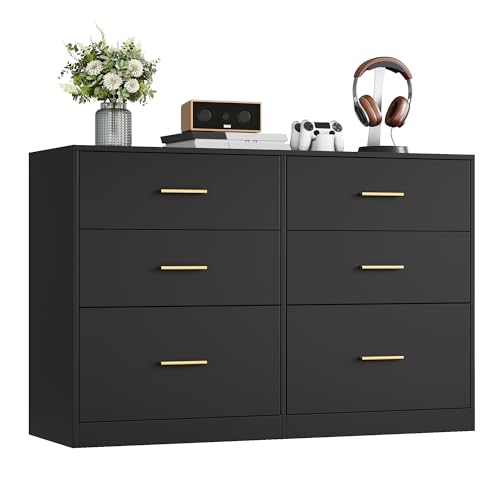
Black and Wood Dresser: The Complete Guide
Discover how a black and wood dresser blends bold contrast with natural warmth. Learn about materials, styles, sizing, and organization so you can choose a piece that elevates your bedroom for years to come.
Why a black and wood dresser deserves your attention: Few furniture pieces balance drama and warmth as effortlessly as a black and wood dresser. The deep black finish grounds a room with modern sophistication, while the natural wood elements — whether a live-edge top, exposed legs, or drawer fronts — bring organic texture and a sense of calm. This two-tone approach has moved from niche trend to mainstream staple, appearing in modern, farmhouse, industrial, and Scandinavian interiors alike.
If you are in the research stage and want to understand exactly what to look for before you commit, this guide covers the essentials: how the black-and-wood pairing works, which materials hold up best, how to size the piece for your room, and how to organize it for everyday ease. By the end, you will have a clear checklist to evaluate any black and natural wood dresser you encounter.
What Exactly Is a Black and Wood Dresser?
A black and wood dresser is a storage piece that intentionally pairs a black finish with exposed or natural wood elements. The contrast can appear in several forms:
- Black body with a wood top: The most common configuration. The black carcass provides visual weight, while a natural wood top — oak, walnut, or acacia — adds warmth and a tactile surface.
- Black frame with wood drawer fronts: The reverse arrangement, where black structural elements frame natural wood drawer faces. This works especially well in Scandinavian and mid-century settings.
- Black finish with exposed wood legs: A subtle but effective version. The black body sits on tapered or turned wood legs, lifting the silhouette and adding a handcrafted feel.
- Distressed or rubbed-through finishes: The black finish is intentionally worn at edges to reveal wood underneath, creating an aged, rustic character.
Each variation changes the visual weight and style alignment of the piece. A black body with a wood top tends to read more modern and grounded, while a black frame with wood drawers feels lighter and more casual. Understanding these distinctions helps you match the dresser to your existing furniture and wall color.
Why Choose a Black and Wood Dresser?
Visual Contrast That Anchors the Room
The black finish provides a strong visual anchor, while the wood introduces softness. Together they prevent the piece from feeling either too heavy or too plain.
Versatile Style Alignment
This pairing works across modern, farmhouse, industrial, and Scandinavian interiors. It adapts to your decor rather than fighting it.
Hides Wear Gracefully
Black finishes and natural wood grains both disguise minor scuffs and fingerprints better than solid white or glossy surfaces.
Long-Term Style Longevity
Two-tone furniture tends to age well because it does not rely on a single trend color. The combination remains relevant across design cycles.
Styles and Market Tiers
Black and wood dressers span the full spectrum of the market. The table below maps common style categories to their typical market positioning, so you can calibrate your expectations before you shop. Note that tier descriptors reflect relative market position, not specific figures.
| Style Category | Typical Tier | Key Characteristics | Best For |
|---|---|---|---|
| Modern Minimalist | Entry-Level | Clean lines, flat black panels, thin wood top, engineered wood core | Apartments, first-time buyers, rental-friendly setups |
| Scandinavian Two-Tone | Mid-Range | Tapered wood legs, black frame, light oak drawer fronts, soft-close glides | Bedrooms with light walls, neutral textiles, small spaces |
| Industrial Loft | Mid-Range | Black metal accents, reclaimed-look wood top, exposed hardware | Loft apartments, urban bedrooms, mixed-material rooms |
| Farmhouse Contrast | Premium | Solid wood construction, black painted body, thick butcher-block top | Farmhouse and cottage interiors, family bedrooms |
| Luxury Two-Tone | Luxury | Hand-finished black lacquer, book-matched walnut veneer, dovetail joinery | Primary suites, design-forward homes, long-term investment |
Within each tier, quality varies. A mid-range model with solid wood drawer boxes and metal glides will typically outlast an entry-level piece with particleboard construction and plastic runners, even though both may look similar from a distance. When comparing options, inspect the drawer joinery, the glide mechanism, and the finish consistency — these are the details that separate a well-built dresser from a short-lived one. For a broader comparison framework, see our guide to black and brown dresser options, which explores similar two-tone territory.
Materials and Finishes That Matter
The Wood Component
The wood portion of a black and wood dresser determines much of its character and durability. Common choices include:
- Oak: Dense and open-grained, oak takes stain well and develops a warm patina. It is a strong choice for a wood top that will see daily use.
- Walnut: Darker and smoother than oak, walnut pairs beautifully with black because the contrast is more subtle. It reads as premium and refined.
- Acacia: A practical mid-range option with striking grain variation. Acacia tops are common in farmhouse and rustic two-tone pieces.
- Pine: Softer and more prone to denting, but it accepts paint and stain easily. Pine works well in casual or cottage-style dressers.
- Engineered wood with veneer: Common at entry-level. The veneer provides a wood look at a lower tier, but durability depends heavily on the core quality.
The Black Finish
Not all black finishes are equal. Painted black offers a matte or satin look that hides fingerprints well, while lacquered black provides a glossier, more reflective surface that demands more frequent dusting. Distressed black finishes intentionally reveal wood underneath, which suits rustic and farmhouse styles. When evaluating a black finish, check for even coverage, smooth edges, and whether the interior of the drawers is also finished — unfinished drawer interiors are a sign of cost-cutting.
Hardware
Hardware is where a black and wood dresser can either shine or fall flat. Brass and gold pulls warm up the black and echo the wood tones, creating a cohesive look. Matte black hardware keeps the design monochromatic and modern. Silver or nickel hardware introduces a cooler contrast. If the dresser you like has underwhelming hardware, consider swapping the pulls — it is one of the easiest upgrades you can make. Browse our black dresser with gold knobs collection for inspiration on hardware pairings.
How to Size a Black and Wood Dresser for Your Room
Size is the most common source of buyer regret. A dresser that looks proportionate in a showroom can overwhelm a small bedroom or feel undersized in a large suite. Use the following guidelines to narrow your options:
- Measure the wall length: Leave at least 24 to 30 inches of clearance on each side for walking and opening drawers. A dresser that spans the entire wall can feel oppressive.
- Account for drawer extension: Drawers typically extend 15 to 20 inches when fully open. Ensure the dresser is not placed so close to a bed or door that drawers cannot fully extend.
- Match drawer count to wardrobe volume: A 6-drawer dresser suits a single adult with a moderate wardrobe. Couples or shared bedrooms often need 8 to 9 drawers. For a deeper dive, see our black 6-drawer dresser with mirror overview.
- Consider height: A dresser top should sit at roughly hip height for comfortable use. Tall chests (over 50 inches) are better for small footprints but require more vertical reach.
- Respect the bed scale: A dresser should not be taller than the headboard or significantly wider than the bed. Visual balance matters as much as physical clearance.
For small bedrooms, a narrow or tall silhouette maximizes storage without consuming floor space. Pair it with a mirror to bounce light and reduce visual weight. If you are furnishing a larger suite, a wide dresser with a wood top can double as a display surface for decor and a landing spot for everyday items. Our guide to black dresser with deep drawers explores capacity-focused options in more detail.
Pros and Cons of Black and Wood Dressers
Strengths
- Striking contrast that elevates neutral rooms
- Adapts to multiple decor styles without feeling dated
- Hides minor wear and fingerprints better than solid light finishes
- Wood elements add warmth that all-black furniture lacks
- Works as a focal point or a supporting piece depending on styling
Considerations
- Black finishes can show dust more readily than mid-tone woods
- Two-tone pieces can clash if the wood tone does not harmonize with existing furniture
- Cheaper models may have mismatched finish quality between black and wood sections
- Requires deliberate styling to avoid a heavy or disjointed look
- Solid wood two-tone pieces sit at higher market tiers
Organizing Your Black and Wood Dresser
A dresser is only as useful as its organization system. Before you fill the drawers, plan the layout:
- Top drawer: Reserve for small items — socks, underwear, accessories, or jewelry. Use dividers to prevent clutter.
- Middle drawers: Folded shirts, t-shirts, and lightweight garments. Fold vertically (file-style) so you can see every item at a glance.
- Bottom drawers: Heavier items such as jeans, sweaters, and off-season clothing. The deeper drawers at the base are ideal for bulkier folds.
- Wood top care: Use a felt pad or runner under decorative items to protect the wood surface. Avoid placing drinks directly on untreated wood.
- Seasonal rotation: Store out-of-season clothing in under-bed bins or higher shelves, keeping the dresser focused on daily-use items.
For a complete room-by-room approach, pair your dresser with a bedside dresser to create a cohesive storage zone around the bed. If you prefer matching sets, explore bedroom sets with dresser and nightstand for a unified look.
Styling a Black and Wood Dresser
The two-tone nature of the piece gives you styling flexibility. Here are a few directions:
- Warm minimalism: Keep the top nearly bare — a single ceramic vase, a small plant, and a wooden tray. Let the contrast speak for itself.
- Layered texture: Add a linen runner, a stack of books, and a sculptural lamp. The mix of natural fabrics and black surfaces creates depth.
- Metallic accents: Brass or gold frames, candleholders, or a mirror above the dresser echo the warmth of the wood and elevate the black finish.
- Art and mirror placement: A round or arched mirror above the dresser softens the rectangular silhouette. Alternatively, lean a large piece of art against the wall for a relaxed look.
If you are building a coordinated bedroom, consider how the dresser relates to other pieces. A black dresser and nightstand set creates visual continuity, while a standalone piece can serve as an accent. For rooms with existing wood furniture, choose a black and wood dresser where the wood tone matches or complements the other pieces — mismatched undertones are the most common styling pitfall.
Ready to Find Your Black and Wood Dresser?
Explore curated options that balance bold contrast with natural warmth. Compare features, drawer configurations, and style alignments to find the piece that fits your space.
Explore OptionsFrequently Asked Questions
Final Thoughts
A black and wood dresser is more than a storage solution — it is a design decision that affects the mood and balance of your bedroom. The black finish grounds the space, while the wood elements keep it from feeling cold. By understanding the material options, sizing rules, and styling possibilities, you can choose a piece that serves you functionally and visually for years.
Before you finalize your choice, revisit the checklist: measure your space, confirm the drawer count matches your wardrobe, inspect the construction quality, and plan how you will organize and style the top. If you are still weighing alternatives, our black dresser guide covers single-tone options, while the black and natural wood dresser page focuses specifically on the natural wood pairing. Whichever direction you choose, prioritize construction quality over surface appearance — the right dresser is one that still works beautifully after years of daily use.