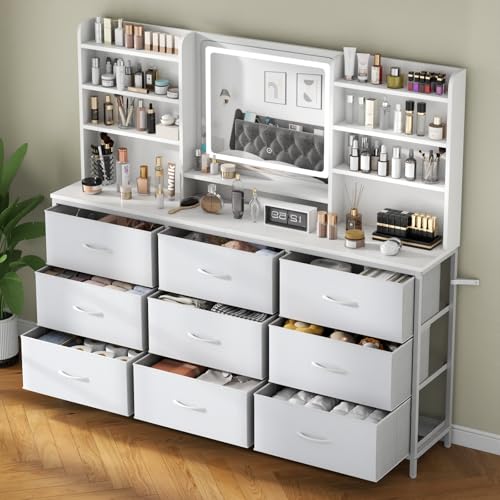
Bedroom Set Dresser with Mirror: Complete Buying Guide
A dresser paired with a mirror is one of the most functional and visually cohesive choices for a bedroom. This guide explains how to select a matching set, what to look for in construction and style, and how to arrange it for daily convenience.
Why Choose a Bedroom Set Dresser with Mirror
A coordinated dresser and mirror set solves two bedroom needs at once: generous drawer storage and a dedicated grooming area. Unlike a standalone dresser, a matching set delivers a unified look that anchors the room and simplifies furniture shopping. The mirror typically attaches to the dresser back or mounts on the wall directly above, so the pairing feels intentional rather than improvised.
From a practical standpoint, the mirror above the dresser turns the furniture into a daily-use station for dressing, grooming, and accessory organization. The dresser drawers keep clothing and personal items within arm's reach, while the reflective surface bounces natural light around the room, which is especially helpful in bedrooms with a single window.
Key Factors When Selecting a Dresser and Mirror Set
Size and Proportion
The dresser and mirror should feel proportionate to the wall and the bed. Measure the available wall width first, then choose a dresser that leaves at least a few inches of breathing room on each side. A mirror that is narrower than the dresser creates a stepped silhouette that looks balanced; a mirror that spans the full width can feel heavy in a small room. For compact bedrooms, a tall skinny dresser for bedroom paired with a slim vertical mirror preserves floor space while still delivering a complete grooming station.
Drawer Configuration and Storage Capacity
Think about what you actually store in a dresser. A mix of deep drawers for folded clothing and shallow drawers for accessories works well for most households. If you need dedicated jewelry storage, a tall dresser with jewelry drawer is a practical option that keeps small items organized without adding extra furniture. For families or shared bedrooms, a solid wood 6 drawer dresser offers a balanced capacity that suits two people without dominating the room.
Mirror Type and Attachment
Mirrors for dressers come in three common formats: attached (mounted to the dresser back), wall-mounted (hung above the dresser), and freestanding (resting on the dresser top). Attached mirrors are the most stable and are ideal for households with children or pets. Wall-mounted mirrors offer flexibility and can be swapped out later. Freestanding mirrors are the easiest to reposition but require a stable base and careful placement to avoid tipping.
Material and Finish
Solid wood construction offers durability and a finish that can be refreshed over time. A solid walnut dresser with a matching mirror brings warmth and a premium feel to the bedroom. For a lighter, airier look, a light oak dresser pairs well with a simple framed mirror. If you prefer a reflective, glamorous aesthetic, a mirrored chest of drawers with a coordinated mirror creates a cohesive, light-enhancing set.
Style Coordination with the Rest of the Bedroom
The dresser and mirror should relate to the bed, nightstands, and other furniture without matching too literally. A Shaker dresser with a clean-lined mirror works in both traditional and modern bedrooms. For a bolder statement, a black bedroom dresser with mirror adds contrast and a sense of depth, especially in rooms with light walls. If you are furnishing a full room, a best dresser set guide can help you compare coordinated groupings.
Practical tip: Before purchasing, confirm how the mirror attaches and whether the hardware is included. Some sets require wall anchoring for safety, especially in homes with young children. Also check that the dresser back is finished if the piece will float in the room rather than sit against a wall.
Comparing Dresser and Mirror Pairings by Tier
The table below groups common dresser-and-mirror pairings by quality tier and intended use. Use it to match the set to your room size, storage habits, and design preferences.
| Tier | Best For | Typical Characteristics |
|---|---|---|
| Entry-level | Guest rooms, first apartments, temporary setups | Engineered wood panels, basic drawer slides, simple framed mirror |
| Mid-range | Primary bedrooms, daily-use family rooms | Solid wood or wood veneer, smooth metal slides, coordinated mirror frame |
| Premium | Long-term primary bedrooms, design-focused spaces | Solid hardwood construction, dovetail joinery, premium hardware, beveled mirror |
| Luxury | Custom interiors, statement bedrooms | Hand-finished hardwoods, artisan detailing, custom mirror proportions |
When comparing tiers, focus on drawer mechanism quality and joinery rather than surface details alone. A mid-range set with smooth slides and reinforced corners often outlasts an entry-level set with decorative but thin panels. For a broader framework, the dresser buying guide covers construction, sizing, and style in more depth.
How to Arrange a Dresser with Mirror in the Bedroom
Placement affects both usability and visual balance. The most common arrangement places the dresser on the wall opposite or adjacent to the bed, with the mirror centered above the drawer bank. Leave enough clearance to open drawers fully without hitting the bed or a walking path. In narrow rooms, a narrow entryway cabinet with doors style piece can serve as a slim dresser alternative, though a dedicated bedroom dresser remains the better choice for clothing storage.
Lighting matters as much as placement. Position the dresser so the mirror reflects a window or a soft light source rather than a harsh overhead bulb. If the room lacks natural light, a small lamp on the dresser top can soften the reflection and make the grooming area more comfortable to use.
Styling the Dresser Top Around the Mirror
The mirror is the visual anchor, so keep the dresser top restrained. A few well-chosen objects—a small tray for everyday items, a low-profile lamp, a single plant—create interest without blocking the reflection. Avoid placing tall bottles or stacked boxes directly in front of the mirror; they clutter the view and defeat the purpose of the reflective surface. For a coordinated look, choose mirror frames and drawer hardware in the same finish family, such as warm brass or matte black, and repeat that finish in the bedside tables or lighting fixtures.
If the dresser doubles as a vanity, a bedroom set with vanity dresser configuration may suit your routine better than a standard dresser-and-mirror pairing. Those sets typically include a lower seating area and a wider mirror, which is helpful for makeup and grooming tasks.
Coordinating with the Wider Bedroom Set
A dresser with mirror rarely stands alone. Matching it with a bedside table and a bed frame creates a cohesive room. A bedroom dresser and side table set is a straightforward way to keep finishes and proportions consistent. If you are building the room piece by piece, start with the dresser and mirror, then add a white bedside table with drawer or a complementary nightstand in the same wood tone. For rooms that need extra storage, consider how a storage dresser for living room or a bed frame with dresser underneath might integrate with the overall layout.
Common Questions About Dresser and Mirror Sets
What is a bedroom set dresser with mirror?
It is a coordinated pairing of a drawer-based storage unit and a matching mirror, designed to sit together as a single functional and visual unit in the bedroom.
How do I choose the right size dresser with mirror for my bedroom?
Measure the available wall width and account for drawer clearance and walking paths. Choose a dresser that leaves breathing room on each side, and a mirror that is proportionate to the dresser width rather than wider than the furniture.
Are mirrored dressers suitable for small bedrooms?
Yes. Mirrored surfaces reflect light and add a sense of depth, which helps compact rooms feel more open. A slim mirror frame and a tall, narrow dresser work well in tight spaces.
How should I style a dresser with a mirror?
Keep the top uncluttered. Use the mirror as a backdrop for a few decorative objects, a small lamp, or a plant, and avoid placing tall items directly in front of the reflective surface.
Final Checklist Before You Buy
- Confirm the mirror attachment method and whether wall anchoring hardware is included.
- Measure the wall width, drawer extension clearance, and walking path around the dresser.
- Check drawer slide quality and joinery, not just the finish.
- Verify that the dresser and mirror finishes match or intentionally complement each other.
- Plan the dresser top layout so the mirror remains visible and usable.
- Review the return policy and assembly requirements before ordering.
With the right dresser and mirror set, the bedroom gains a practical grooming station and a coordinated focal point. Use the guidance above to narrow your options, then compare specific models in the recommendations section below.