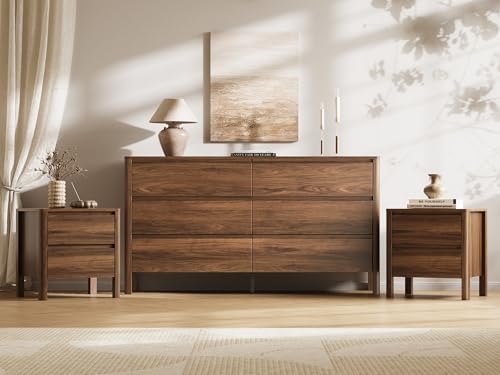
Bedroom Set Dresser and Nightstand: The Complete Guide
Discover how to choose a matching dresser and nightstand set that fits your space, style, and storage needs. From drawer counts to material quality, we cover everything you need for a confident purchase.
Explore Recommended SetsWhy a matching bedroom set matters: A coordinated dresser and nightstand set instantly elevates your bedroom's visual harmony while ensuring consistent build quality and finish across both pieces. It removes the guesswork of mixing and matching furniture and often delivers better overall craftsmanship than assembling separate items from different collections.
What Is a Bedroom Set Dresser and Nightstand?
A bedroom set dresser and nightstand is a coordinated pair (or larger collection) of bedroom storage furniture designed to share the same style, finish, hardware, and material construction. The dresser serves as your primary clothing storage with multiple wide drawers, while the nightstand provides convenient bedside storage for essentials like books, glasses, charging cables, and a lamp.
These sets are available in configurations ranging from a simple two-piece pairing to full collections that include a mirror, chest of drawers, and even a bed frame. The most common configuration pairs one dresser with one or two nightstands, depending on the size of the bed and available floor space.
If you are comparing different bedroom set configurations, browse our complete bedroom sets with dressers and nightstands collection to see how various pairings work in real bedroom layouts.
Key Factors to Consider Before Buying
Choosing the right dresser and nightstand set goes beyond picking a finish you like. Several practical factors will determine whether your set serves you well for years or becomes a source of frustration.
1. Room Size and Layout
Measure your available wall space before shopping. A standard dresser typically ranges from 30 to 72 inches in width, while nightstands generally span 18 to 28 inches. Leave at least 30 inches of walking clearance between furniture pieces and ensure drawers can open fully without hitting the bed or walls.
For compact bedrooms, consider a bedroom set with a large dresser only if wall space permits. Otherwise, a more modest dresser paired with slim nightstands works better. Corner placement or a dresser inside a closet can also free up bedroom floor space.
2. Drawer Count and Storage Capacity
Your storage needs depend on how many people share the bedroom and how much clothing you fold versus hang. A single adult typically needs a dresser with at least five to six drawers. Couples should aim for a wider dresser with six to nine drawers, or consider adding a chest of drawers for overflow storage.
Nightstands usually offer one to three drawers or a combination of a drawer and open shelf. If you need extra bedside storage, look for models with deeper drawers or a cabinet door.
3. Material and Build Quality
Solid wood (oak, maple, walnut, pine) offers the best long-term durability and can be refinished if damaged. Engineered wood with quality veneers provides a more accessible entry point while still delivering a convincing wood look. Particle board and MDF are common in entry-level furniture and can work well if reinforced joints and quality hardware are present.
Pay attention to drawer construction: dovetail joints outperform stapled or nailed construction, and metal drawer glides with soft-close mechanisms add a premium feel. Learn more about material comparisons in our solid wood vs engineered wood guide.
4. Style and Finish Coordination
Your set should complement the bed and any existing furniture. Popular finishes include white, black, gray, and natural wood tones. If you have a specific color palette, explore beige dresser and nightstand sets for a warm, neutral look, or black and gold sets for a more dramatic statement.
5. Configuration Options
Beyond the classic dresser-plus-two-nightstands setup, you can choose from several configurations:
- Dresser and two nightstands — ideal for king and queen beds
- Dresser with mirror — adds a vanity and dressing function
- Dresser with chest of drawers — maximizes storage for couples
- Vanity dresser sets — for those who want a dedicated grooming station
Quality Tiers: Understanding What You Get
Bedroom furniture sets fall into distinct quality tiers. Rather than focusing on numerical figures, use the descriptors below to understand how construction and materials scale across the market.
Entry-Level Tier
Engineered wood construction with laminate or thin veneer finishes. Suitable for guest rooms, temporary setups, or first apartments. Drawer glides are typically basic metal or nylon.
Mid-Range Tier
Solid wood frames with quality veneer panels. Dovetail or reinforced drawer joints, metal ball-bearing glides, and a more refined finish. A solid choice for primary bedrooms.
Premium Tier
Mostly solid hardwood construction with hand-finished details. Soft-close glides, fully dovetailed drawers, and consistent grain matching. Built to last decades with proper care.
Luxury Tier
Heirloom-quality hardwood, artisan finishing techniques, custom hardware, and precise joinery. These sets are a long-term investment and often become family pieces.
Within any tier, you can find sets that offer good value for their class. The key is matching the tier to your intended use — a mid-range set for a master bedroom and an entry-level set for a rarely used guest room are both sensible choices.
Dresser and Nightstand Size Guide
Getting the proportions right ensures your set looks intentional rather than cramped. Use this table as a general reference when planning your layout.
| Bed Size | Recommended Dresser Width | Recommended Nightstand Width | Typical Configuration |
|---|---|---|---|
| Twin / Full | 30" – 48" | 18" – 22" | One nightstand |
| Queen | 48" – 60" | 20" – 24" | Two nightstands |
| King | 60" – 72" | 22" – 28" | Two nightstands |
| California King | 66" – 72"+ | 22" – 28" | Two nightstands + optional chest |
For rooms where the bed sits against a narrow wall, a bedside dresser can replace a traditional nightstand and provide extra storage in a smaller footprint. Alternatively, explore bedside tables paired with a chest of drawers if you prefer separation between bedside and clothing storage.
Style Match: Finding a Set That Fits Your Bedroom
The right style depends on your existing decor and the mood you want to create. Here are the most common directions for dresser and nightstand sets:
Modern and Contemporary
Clean lines, flat fronts, minimal hardware, and finishes in white, gray, or high-gloss. These sets pair well with platform beds and streamlined decor. Look for models with integrated handles or push-to-open drawers for the sleekest look.
Traditional and Classic
Raised panel details, curved edges, ornate hardware, and rich wood tones like cherry or mahogany. These sets complement upholstered beds and formal bedroom arrangements.
Farmhouse and Rustic
Distressed finishes, plank-style drawer fronts, and industrial hardware. A black farmhouse dresser paired with matching nightstands creates a cozy, grounded feel. Natural wood grain and matte finishes are hallmarks of this style.
Mid-Century Modern
Tapered legs, minimal ornamentation, and warm wood tones like walnut or teak. These sets work beautifully with low-profile beds and retro-inspired decor.
Glam and Luxe
Metallic accents, mirrored surfaces, and upholstered panels. A black and gold dresser with mirror paired with matching nightstands adds a boutique-hotel feel to any bedroom.
How to Evaluate Build Quality in Person (or Online)
When shopping online, you rely on product descriptions and reviews. Here is what to look for:
- Drawer joints: Dovetail joints are the gold standard. Look for English or French dovetails mentioned in the description.
- Drawer glides: Metal ball-bearing or soft-close glides are preferable to nylon rollers. Side-mounted glides are common; under-mounted glides offer a cleaner look.
- Back panels: A finished or at least sturdy back panel indicates better construction. Thin cardboard backs are a red flag.
- Weight and stability: Heavier pieces generally use more substantial materials. Anti-tip hardware is essential for safety, especially in households with children.
- Finish consistency: Reviews often mention whether the finish matches across pieces in a set. Uneven staining or mismatched hardware are common complaints in lower-tier sets.
If you are considering a specific finish, our guide to beige dressers explains how neutral tones read in different lighting conditions, which is especially useful when ordering a set online.
Practical Tips for Your Bedroom Set Purchase
- Measure twice, order once. Confirm doorways, stairwells, and room dimensions before ordering. Some dressers ship fully assembled, while others require significant assembly.
- Check the return policy. Furniture returns are costly and logistically complex. Understand the return window and any restocking terms before committing.
- Plan for assembly. Many sets ship flat-packed. Review assembly instructions or check whether white-glove delivery is available.
- Consider future needs. A set that works for a guest room today may need to serve a child's room later. Neutral styles and durable finishes offer the most flexibility.
- Anchor both pieces. Dressers and nightstands should be secured to the wall with anti-tip straps, especially if you have young children or pets.
Ready to Explore Your Options?
Browse our curated selection of bedroom sets with dressers and nightstands to compare configurations, finishes, and quality tiers side by side.
View Recommended SetsFrequently Asked Questions
A matching set creates visual cohesion and guarantees consistent quality and finish across pieces. Mixing and matching allows more creative expression but requires careful coordination of scale, material, and color. For most buyers, a matched set is the simpler and more reliable choice, especially when shopping online.
If your bed is placed against a wall on one side, a single nightstand is sufficient. For beds accessible from both sides (queen or king), two nightstands provide balanced symmetry and practical storage for each sleeper. A dresser with two nightstands set is the most popular configuration for master bedrooms.
The top of your nightstand should sit level with or slightly below the top of your mattress. This makes it easy to reach items while lying in bed. Most nightstands range from 22 to 28 inches in height, but confirm against your specific bed height.
Solid wood offers superior durability and refinishability, but high-quality engineered wood with thick veneers can perform well for many years. The construction method matters as much as the material — a well-built engineered wood dresser with dovetail drawers will outlast a poorly constructed solid wood piece. Consider your intended lifespan and usage intensity when choosing.
Yes, many furniture collections allow you to purchase pieces individually. This is useful if you need one nightstand instead of two, or if you want to add a dresser, chest, and nightstand set later. However, buying the full set at once often ensures finish consistency and may simplify delivery logistics.
Use coasters under lamps and drinks, dust regularly with a soft cloth, and avoid direct sunlight exposure which can fade finishes over time. For wood surfaces, a quality furniture polish applied a few times per year maintains the luster. Our dresser cleaning guide covers safe methods for different finish types.