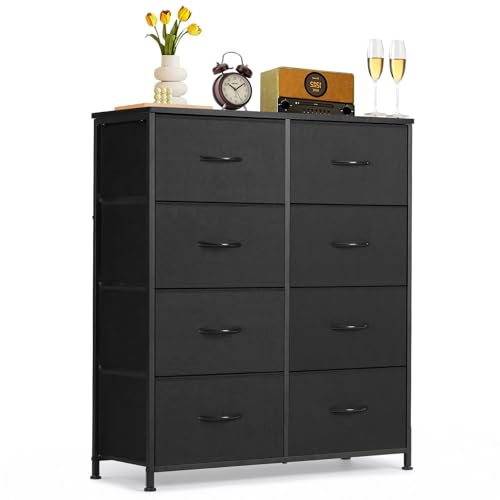
Bedroom Drawers: The Complete Storage Guide
Compare drawer styles, sizes, materials, and glides to choose the right bedroom storage. Learn how to organize every drawer for a calmer, clutter-free bedroom.
Start ReadingWhy this guide matters: Bedroom drawers are the workhorses of your storage plan. The right combination of depth, glide quality, and layout keeps daily routines smooth — and the wrong one turns every morning into a search mission. This guide walks you through every decision so you can buy with confidence.
What Are Bedroom Drawers?
Bedroom drawers are enclosed storage compartments built into a dresser, chest, or bedroom dresser unit. They hold folded clothing, accessories, linens, and personal items, and they are the most frequently opened storage in most bedrooms. Because of that daily use, the quality of a drawer — its glide, its depth, and its interior finish — matters as much as the exterior style.
Most buyers start by focusing on the overall furniture piece, but the drawer itself is where the real experience lives. A well-built bedroom chest of drawers with smooth glides and a sensible layout will outperform a larger, poorly specified unit every single day.
Bedroom drawers also come in dedicated formats. A compact bachelor chest suits tight floor plans, while a bedroom dresser with deep drawers handles bulky knitwear. Understanding the format first makes every later decision easier.
Drawer Styles and Configurations
Drawer configuration drives how usable a piece feels. A drawer that looks generous on the outside can be shallow or over-partitioned on the inside. Before choosing a style, think about what you fold, how often you rotate clothing, and whether you share the unit.
Single-Width vs. Split Drawers
Single full-width drawers offer maximum surface area for shirts and towels. Split or double drawers create two smaller compartments that work better for socks, undergarments, and accessories. Many bedroom dressers and chests combine both, with two split drawers at the top and wider drawers below.
Standard vs. Deep Drawers
Standard drawers are typically 5 to 7 inches deep inside — ideal for folded tops. Deep drawers of 9 inches or more suit sweaters, bedding, and jeans. A bedroom dresser with deep drawers is a smart choice for cold-climate wardrobes where bulky layers dominate.
Stacked and Tall Configurations
Tall, stacked configurations move storage upward, which helps in rooms with limited floor space. A bedroom dresser that arrives fully assembled in a tall footprint can replace a separate wardrobe for many users. For very tight spaces, consider a compact bedroom dresser paired with night stand and dresser combinations.
| Configuration | Best For | Typical Drawer Count | Space Profile |
|---|---|---|---|
| Standard dresser | Folded clothing, general use | 4–6 | Wide, moderate height |
| Chest of drawers | Folded clothing, towels | 4–6 | Narrow, taller |
| Tall / highboy | Small rooms, shared use | 6–9 | Narrow, tall |
| Wide low dresser | Under-window placement, decor top | 6–9 | Wide, low |
| Combo unit | Full bedroom storage | 8–12 | Large footprint |
Sizes and Dimensions
Drawer dimensions determine what actually fits inside. Measure your folded clothing stacks and linens before shopping, and compare those measurements against interior drawer dimensions rather than exterior furniture dimensions.
Interior Drawer Depth
Most bedroom drawers measure 14 to 18 inches in depth. Anything under 14 inches limits what you can store comfortably. Shallow drawers suit accessories and folded shirts; deeper drawers handle sweaters and bedding. If your wardrobe is bulky, prioritize depth over drawer count.
Drawer Width and Height
Interior width typically ranges from 12 inches for split drawers to over 30 inches for full-width drawers. Interior height runs from about 4 inches for accessory drawers to 10 inches or more for deep storage. For a complete breakdown, see our wooden bedroom chest of drawers overview and comparable size references.
Matching Furniture Sets
If you want visual consistency, matching sets simplify shopping. Options include bedroom dresser and night stands pairings, full bedroom dresser and nightstand sets, and bed frame and matching dresser combinations. A dresser with matching end tables also works well in larger rooms.
Measure first: Before ordering, confirm door widths, stairwell clearance, and ceiling height on stair turns. A pre-assembled bedroom dresser may not fit through a narrow hallway, while flat-pack options give you more flexibility.
Materials and Finishes
Material choice affects durability, weight, and how the drawers feel over years of use. The three broad tiers below are consistent with how the market positions bedroom drawer construction.
Entry-Level Tier
Engineered wood with paper or thin laminate veneers, stapled or cam-lock joinery, and roller glides. These pieces suit guest rooms and temporary setups. Drawer boxes are often stapled rather than dovetailed. Expect acceptable performance for lighter loads.
Mid-Range Tier
Engineered wood with thicker veneers or solid wood fronts, doweled and screwed joinery, and ball-bearing or quality metal roller glides. Drawer boxes may use dovetail or reinforced joint construction. This tier is the most common choice for primary bedrooms and offers the best balance of durability and refinement.
Premium and Luxury Tiers
Solid hardwood construction, dovetailed drawer boxes, soft-close undermount glides, and hand-finished surfaces. These pieces are a long-term investment and often become heirlooms. A bedroom dresser with a marble top is typical of this tier.
| Tier | Typical Construction | Glide Type | Best For |
|---|---|---|---|
| Entry-level | Engineered wood, thin veneer | Roller or wood-on-wood | Guest rooms, light use |
| Mid-range | Engineered wood, quality veneer, reinforced joints | Ball-bearing metal | Primary bedrooms |
| Premium | Solid hardwood, dovetail drawers | Soft-close undermount | Long-term investment |
| Luxury | Hand-finished hardwood, custom joinery | Premium soft-close undermount | Heirloom-quality pieces |
Drawer Glides and Hardware
Glides are the single most noticeable quality difference in daily use. Three main types dominate the market.
Wood-on-Wood Glides
Traditional construction found in antique and entry-level furniture. They operate with friction and benefit from periodic waxing. They can stick in humid climates and are less consistent than metal systems.
Roller Glides
Metal tracks with nylon or steel rollers. They are reliable and common in mid-range furniture. They handle moderate loads well but can become noisy over time if the rollers wear.
Ball-Bearing and Undermount Glides
Ball-bearing side-mount glides offer smooth operation and strong load capacity. Undermount soft-close glides hide the mechanism beneath the drawer and deliver the quietest, most refined feel. They are standard in premium and luxury tiers.
Hardware and Pulls
Pulls affect both ergonomics and style. A bedroom furniture drawer handle upgrade is one of the simplest ways to refresh an older piece. Round knobs suit traditional styles, bar pulls suit modern interiors, and cup pulls suit farmhouse aesthetics. Match pull weight to drawer size — small knobs on wide drawers feel awkward and strain the mechanism.
Test in person when possible: Pull a drawer fully open and push it closed with one finger. A quality glide moves smoothly through the entire travel without wobble or grinding. If you shop online, look for listings that specify the glide type and load rating.
Organization Strategies
Good organization multiplies the value of any drawer set. These strategies work across styles and tiers.
Assign Zones by Frequency
Place the most-used items in the top drawers at waist height. Reserve lower drawers for seasonal or heavy items. Split drawers at the top of a chest are ideal for daily accessories.
Use Drawer Dividers and Inserts
Dividers prevent the "everything slides forward" problem and keep folded stacks upright. Adjustable dividers let you reconfigure as needs change. For accessories, shallow trays keep small items visible.
Fold Vertically
Vertical folding — sometimes called file folding — lets you see every item at a glance. It works best in standard-depth drawers of 5 to 7 inches and reduces the digging that causes clutter creep.
Rotate Seasonally
Move out-of-season clothing to lower drawers or storage containers. This frees prime drawer space for the current season and reduces overstuffing, which strains glides and wears joints.
Keep Drawers Underloaded
Overloaded drawers strain glides and warp drawer boxes over time. Leave roughly 10 to 15 percent of capacity free so drawers close without resistance. If a drawer is consistently full, it's a signal to add a second unit or declutter.
For complementary storage ideas, see bedroom storage planning references and related organization resources.
Safety and Durability
Bedroom drawers hold weight and open outward, which makes stability and wall anchoring essential — especially in homes with children.
Anti-Tip Anchoring
Anchor tall dressers and chests to the wall using the manufacturer-supplied anti-tip kit. Never rely on drawer weight alone for stability. If a kit is missing, purchase a compatible anchoring strap rated for the furniture's weight.
Drawer Stops
Drawer stops prevent drawers from pulling completely out. They are standard on most modern glides but may be absent on older or entry-level pieces. Check for stops before loading heavy items into upper drawers.
Load Ratings
Quality glides specify a load rating per drawer. Mid-range and premium systems typically handle heavier loads than entry-level roller glides. Distribute heavy items across lower drawers and keep upper drawers for lighter clothing.
Humidity and Finish Care
Wood expands and contracts with humidity. Keep bedroom drawers away from direct heat sources and wipe spills promptly. Periodic waxing helps wood-on-wood glides and protects finished surfaces.
Buying Checklist
Use this checklist before finalizing any bedroom drawer purchase. It covers the decisions that matter most for daily satisfaction.
Before You Buy
- Measure your room, doorway, and stairwell clearance before ordering
- Confirm interior drawer dimensions, not just exterior furniture size
- Identify the glide type and confirm it suits your load expectations
- Check for dovetail or reinforced drawer box construction in mid-range and above
- Verify anti-tip hardware is included and install it
- Decide whether you need matching nightstands or a full bedroom set
- Plan drawer zones before loading — top for daily items, bottom for seasonal
- Confirm assembly requirements and whether delivery includes placement
- Check finish durability for your climate and household use
- Review return policy and warranty terms before purchase
Frequently Asked Questions
What is the ideal drawer depth for bedroom storage?
Most bedroom drawers range between 14 and 18 inches in depth. Shallower drawers suit folded shirts and accessories, while deeper drawers work well for bulky items like sweaters and linens.
How many drawers do I need in a bedroom dresser?
A single person typically needs four to six drawers, while couples usually benefit from six to nine drawers shared across two dressers or one wide unit.
Which drawer glide type is most durable?
Ball-bearing metal glides are the most durable and smooth-operating option, followed by metal roller glides. Wood-on-wood glides are common in antique and entry-level pieces but require more maintenance.
Should I choose a chest of drawers or a wide dresser?
A chest of drawers uses a narrow, tall footprint that suits small rooms. A wide dresser provides more surface area on top and often more full-width drawers. Choose based on floor space and how much display surface you want.
Do I need to anchor bedroom drawers to the wall?
Yes. Tall dressers and chests should always be anchored to the wall with an anti-tip kit, especially in homes with children or pets. Anchoring prevents tip-over accidents when drawers are open and loaded.