Bedroom Dresser and End Tables: The Complete Pairing Guide
Create a cohesive, functional bedroom with the right dresser and end table combination. Learn how to match proportions, materials, and styles so your storage pieces work together beautifully.
Why this pairing matters: A bedroom dresser and end tables are the unsung workhorses of your bedroom. The dresser handles the bulk of your clothing and linen storage, while end tables keep everyday essentials within arm's reach. When these pieces are chosen as a coordinated set, the room feels intentional rather than assembled piecemeal.
This guide walks you through everything you need to know: how to size each piece relative to your bed and room, which materials hold up best, how to build a matching set without being overly matched, and which tier of quality suits your long-term plans. By the end, you will be ready to choose with confidence.
Start With the Dresser: The Anchor Piece
The dresser is usually the largest storage piece in the bedroom after the bed itself, so it sets the visual and functional tone. Before you think about end tables, get the dresser right. A bedroom dresser needs to balance three things: how much you need to store, how much floor and wall space you can spare, and how the piece relates to your bed's height and style.
Sizing the Dresser Correctly
A common mistake is choosing a dresser that is too deep or too wide for the walking path beside the bed. As a general rule, leave at least 24 to 30 inches of clearance between the dresser front and any other furniture or wall you need to pass. For width, measure the wall you plan to use and aim for a piece that occupies roughly two-thirds to three-quarters of that span, which keeps the room from feeling crowded.
If your room is tight, a bedroom dresser with deep drawers can be a smart choice because it increases capacity without increasing the footprint. Conversely, if you have a long empty wall, a bedroom dresser and nightstand set lets you fill the space with a coordinated look from the start.
Drawer Configuration and Daily Use
Think about what you actually store. Socks, undergarments, and folded t-shirts suit shallower drawers, while sweaters and bedding need depth. A mix of drawer heights is usually the most practical. If you share the dresser with a partner, look for a wide configuration with side-by-side columns so each person gets their own zone. Tall, narrow chests work well in small rooms but can feel top-heavy, so secure them to the wall.
Choosing End Tables That Complement the Dresser
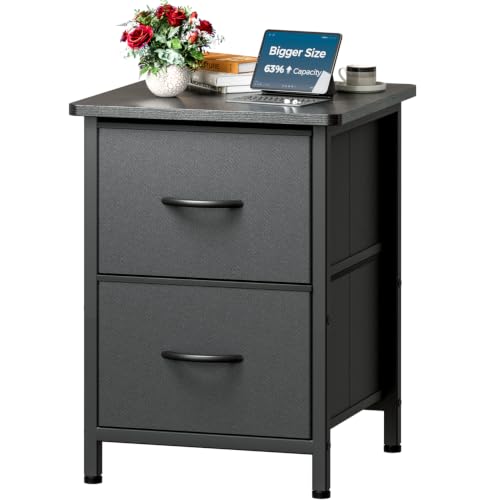
End tables, also called nightstands, sit beside the bed and serve a different job: they hold a lamp, a book, a glass of water, and your phone. Their height should be roughly level with the top of your mattress, give or take a couple of inches, so reaching for things feels natural. Their style should echo the dresser without copying it exactly.
Matching Versus Coordinating
A fully matching bedroom dresser and night stands set creates a traditional, hotel-like look. Coordinating pieces, where the end tables share the dresser's wood tone or hardware finish but differ in shape, feel more collected and layered. Both approaches work; the key is consistency in at least one element, such as finish, metal hardware, or leg style, so the room reads as a whole.
If you already own a dresser you love, you can still build a set by choosing end tables in the same wood family. For inspiration on pairing finishes, see our guide to bedroom dresser and nightstand sets.
Quality Tiers: What to Expect at Each Level
Rather than thinking in terms of numbers, it helps to understand how dressers and end tables are positioned in the market. The table below describes what each tier typically delivers so you can match the build quality to how hard your furniture will work.
| Tier | Typical Construction | Best For |
|---|---|---|
| Entry-level | Engineered wood with laminate or veneer, basic drawer glides, minimal hardware | Guest rooms, first apartments, short-term setups |
| Mid-range | Solid wood frames with veneered panels, metal ball-bearing glides, dovetail or reinforced drawer joints | Primary bedrooms, daily use, growing families |
| Premium | Solid hardwood throughout, soft-close glides, dovetail joinery, quality hardware and finishes | Long-term homes, heirloom-style ownership |
| Luxury | Hardwood with hand-finished details, custom hardware, exceptional drawer action | Design-forward spaces, collector-grade furniture |
A mid-range set is usually the sweet spot for a primary bedroom because the drawer mechanisms hold up to years of daily opening and closing, and the construction resists the wear that end tables endure from lamps, books, and bedside clutter. Entry-level pieces are perfectly serviceable for lighter use, while premium and luxury tiers make sense if you plan to keep the furniture for decades.
Value tip
Spend more on the dresser than on the end tables. The dresser's drawers do the heavy lifting every single day, while end tables mostly hold a lamp and a book. Putting your investment into the dresser's joinery and glides pays off in smoother operation and fewer repairs over time.
Materials and Finishes That Work Together
Wood tone is the easiest thread to pull through a bedroom. If your dresser is warm oak, end tables in a similar warm tone or a painted finish with matching hardware will feel deliberate. If the dresser is a dark walnut, lighter end tables can prevent the room from feeling heavy. Painted finishes are forgiving and easy to coordinate: a white or soft gray dresser pairs with almost any end table material, including metal and rattan.
For a more textured, eclectic look, consider bamboo dressers paired with natural fiber or metal end tables. Just keep hardware finishes consistent; mixing brass, black, and nickel across a small bedroom rarely reads well.
Durability Checks
- Open and close every drawer in the store or read reviews about drawer action; smooth, quiet glides signal better hardware.
- Check that drawer bottoms are supported, not just stapled, especially on wider drawers.
- Look for dovetail or doweled joints at drawer corners rather than simple nails or staples.
- Confirm that end tables have a stable base; a lamp and a stack of books will expose wobble quickly.
- Ask whether the finish is sealed and water-resistant, since end tables often host drinks.
Building a Cohesive Bedroom Set
A complete set usually includes the dresser, two end tables, and sometimes a mirror or chest. If you are furnishing from scratch, buying a bedroom dresser and nightstand set saves you the guesswork of matching finishes and proportions. If you are adding to existing furniture, measure your current dresser's height and depth first, then choose end tables that sit comfortably beside the bed without towering over the mattress.
Pay attention to the space between the bed and the walls. End tables need to fit there without blocking access. In narrow rooms, a single end table on one side with a small shelf or wall sconce on the other can be a practical compromise. For more layout ideas, browse our collection of bedroom dresser and nightstand sets.
Proportion harmony
End tables at mattress height and a dresser that fills two-thirds of its wall keep the room visually balanced.
Finish continuity
Repeating one or two finish elements, like wood tone and hardware, ties the set together without looking catalog-perfect.
Functional zones
The dresser handles bulk storage; end tables handle nightly essentials, so each piece earns its footprint.
Long-term flexibility
Coordinating rather than fully matching lets you swap end tables later without replacing the whole set.
Frequently Asked Questions
Should the dresser and end tables match exactly?
Not necessarily. Exact matching creates a formal, traditional look, while coordinating pieces feel more collected. The safest approach is to match the finish or hardware and let the shapes differ slightly.
How tall should end tables be relative to the bed?
Aim for the end table top to sit level with the mattress or within a couple of inches. This makes reaching for a lamp or phone comfortable and keeps the visual line of the room tidy.
Can I use a dresser as an end table?
Yes, in small rooms a low, narrow dresser or chest can serve beside the bed, but check that the top height works with your mattress and that drawers open without hitting the bed frame.
What is the best material for a bedroom dresser and end tables?
Solid wood frames with quality drawer glides offer the best balance of durability and longevity for daily use. Engineered wood with veneer is a reasonable choice for guest rooms or lighter use.
How much clearance should I leave around the dresser?
Leave at least 24 to 30 inches of walking clearance in front of the dresser and enough room for drawers to open fully without hitting the bed or other furniture.