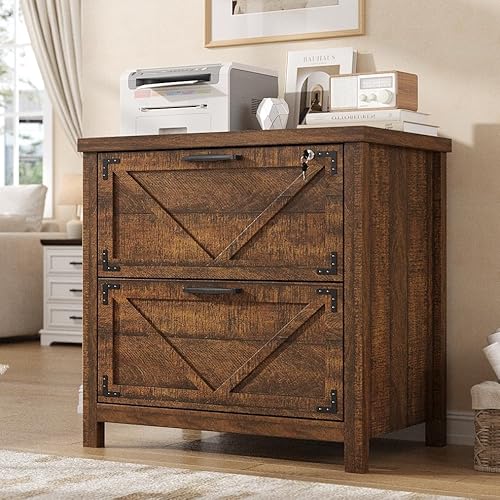
Antique File Cabinet Wood: Complete Buying and Care Guide
Everything you need to know about antique wooden file cabinets — wood types, drawer mechanisms, styles, restoration, and how to choose a piece that combines character with everyday function.
Why an antique wood file cabinet? An antique wooden file cabinet is more than storage — it is a piece of furniture history that brings warmth, texture, and craftsmanship to a home office or study. But buying one requires knowing what to look for: wood species, drawer construction, finish condition, and whether the cabinet is built to handle daily use. This guide walks you through each decision so you can buy with confidence.
What Defines an Antique Wood File Cabinet
An antique file cabinet is typically defined by age, construction method, and original purpose. Most pieces described as antique date from the late 19th to mid-20th century, when offices relied on wooden filing systems before metal became dominant. These cabinets were built with solid wood frames, dovetailed or mortise-and-tenon joints, and hardware that reflects the era of production.
Key characteristics to look for include:
- Solid wood construction — oak, walnut, mahogany, and pine are the most common species used in antique filing furniture.
- Traditional joinery — dovetail drawers, mortise-and-tenon frames, and wooden drawer runners are hallmarks of quality antique cabinetry.
- Period hardware — brass pulls, label holders, and locks that match the cabinet's era.
- Patina and wear — authentic age shows in the finish, edges, and drawer movement; consistent wear patterns are a good sign of genuine age.
If you are also comparing related antique storage pieces, our guides on the antique wood file cabinet for sale and the antique oak file cabinet 4 drawer offer additional detail on specific configurations.
Wood Types Used in Antique File Cabinets
The wood species affects durability, grain character, weight, and how the cabinet ages. Here is how the most common antique cabinet woods compare:
| Wood Type | Characteristics | Best For |
|---|---|---|
| Oak | Dense, heavy, prominent grain; excellent durability | High-use offices and long-term investment pieces |
| Walnut | Rich dark grain, smooth texture, premium feel | Mid-range to high-end tier home offices and studies |
| Mahogany | Deep reddish-brown tone, fine grain, traditional elegance | Luxury and traditional antique collections |
| Pine | Lighter weight, softer grain, warm tone | Entry-level antique pieces and casual settings |
Oak and walnut are generally the most reliable choices for a working file cabinet because they resist wear and hold joinery well over decades. Mahogany pieces are often associated with high-end tier craftsmanship and detailed finishing. Pine is lighter and can be a good starter tier option if the cabinet is intended for lighter use. For a closer look at solid wood antique storage, see our article on the antique wooden chest of drawers.
Drawer Mechanisms and File Compatibility
Antique file cabinets were designed around the filing systems of their time, which means drawer dimensions and mechanisms may differ from modern standards. Before buying, measure the interior width, height, and depth of each drawer and compare them with the folders and files you plan to store.
Common drawer configurations include:
Vertical File Drawers
Deep drawers designed for upright letter or legal files. Check that the interior height accommodates hanging folders with tabs.
Shallow Document Drawers
Often found in older cabinets, these work well for flat documents, index cards, and archival storage rather than standard hanging files.
Combination Layouts
Some cabinets mix file drawers with smaller accessory drawers, offering flexible storage for supplies and personal items.
Wooden drawer runners are common in antique cabinets. They can be smooth and reliable when properly waxed, but they may need adjustment or replacement if worn. If you prefer a cabinet with a more refined traditional look, explore our guide to the antique English chest of drawers for style context.
Popular Antique File Cabinet Styles
The style of an antique wood file cabinet determines how it fits into your interior. Several broad categories dominate the market:
Traditional Office Cabinets
These are the classic wooden filing cabinets with vertical drawers, brass label holders, and a functional, no-nonsense profile. They suit home offices and studies and are often the most practical choice for daily filing.
Flat File Cabinets
Flat file cabinets feature wide, shallow drawers designed for maps, plans, prints, and large documents. They are ideal for artists, architects, and collectors. Our guide to the antique flat file cabinet for sale covers what to check before buying one.
Apothecary and Multi-Drawer Cabinets
Cabinets with many small drawers — often inspired by apothecary furniture — offer a distinctive look and are useful for organizing small items. For related inspiration, see the apothecary cabinet with drawers.
French and Continental Styles
French and continental antique cabinets often feature shaped fronts, decorative moldings, and refined hardware. These pieces lean toward the premium and luxury tiers and work well as statement furniture. Our articles on the antique French chest of drawers and the antique French dresser provide useful stylistic context.
How to Assess Condition Before Buying
Condition is the single most important factor in whether an antique file cabinet will serve you well. Use this checklist when evaluating a piece:
- Drawer movement — open and close every drawer. They should slide without excessive force; minor sticking can often be fixed with wax or runner adjustment.
- Joint integrity — check for loose dovetails, separated seams, and wobbling frames. Structural repairs are possible but should be factored into your decision.
- Veneer condition — lifting or chipped veneer is common on older cabinets. Small repairs are manageable; large areas may require professional restoration.
- Hardware — confirm that locks, pulls, and label holders are present and functional. Missing period hardware can be difficult to replace authentically.
- Finish and patina — original finish with honest wear is often more desirable than a heavy refinish. Look for consistent color and grain.
- Odor and moisture — musty smells or warped wood can indicate past water exposure. Inspect the underside and back panels.
Restoration and Long-Term Care
Many antique wood file cabinets remain fully functional with basic care. A sensible maintenance routine includes:
- Dust regularly with a soft, dry cloth to prevent grit from scratching the finish.
- Wax occasionally — apply a quality furniture wax once or twice a year to protect the wood and keep drawer runners smooth.
- Lubricate hardware sparingly — a small amount of graphite or dry lubricant on locks and metal slides helps without attracting dust.
- Control the environment — keep the cabinet away from direct sunlight, radiators, and damp walls to prevent warping and fading.
- Avoid harsh cleaners — silicone polishes and aggressive solvents can damage older finishes.
If a cabinet needs more than routine care, decide between preservation and restoration. Preservation keeps original finish and patina intact, which is usually preferred for antique value. Restoration — refinishing, re-gluing joints, or replacing runners — should be done by someone experienced with antique furniture. For related care guidance, our article on the antique mahogany dresser discusses finish care on similar wood.
Where an Antique Wood File Cabinet Works Best
These cabinets are versatile. Common placements include:
- Home office — the most natural setting, where the cabinet handles active filing and supplies.
- Study or library — a wooden file cabinet complements bookshelves and desks and adds a traditional focal point.
- Living room or hallway — a compact antique cabinet can serve as a console or catch-all storage piece.
- Creative workspace — flat file and multi-drawer cabinets are excellent for artists and collectors.
If you are furnishing a bedroom or dressing area and want complementary antique storage, our guides to the antique dresser and the antique narrow chest of drawers can help you coordinate styles.
Quick Buying Checklist
Measure First
Confirm drawer interiors fit your folders, and check the cabinet's overall footprint against your room layout.
Inspect Joinery
Look for tight dovetails and stable frames. Loose joints are fixable but affect the tier of the piece.
Test Every Drawer
Open and close each drawer fully. Smooth movement indicates well-maintained runners.
Check Hardware
Verify that locks, pulls, and label holders are present and working.
Evaluate Finish
Original patina is valuable; heavy refinishing can reduce antique character.
Plan Placement
Keep the cabinet out of direct sunlight and away from moisture sources.
Frequently Asked Questions
What wood types are common in antique file cabinets?
Oak, walnut, mahogany, and pine are the most common. Oak offers density and durability, walnut provides rich grain and a premium feel, mahogany is associated with high-end traditional pieces, and pine is lighter and often found in simpler cabinets.
How can I tell if an antique file cabinet is solid wood?
Check end grain on drawer sides and the underside of the top. Solid wood shows continuous grain and growth rings, while veneer shows a thin layer over a different substrate. Inspect joints, weight, and wear patterns for clues.
Do antique wood file cabinets need restoration?
Not always. Many pieces remain functional with cleaning, waxing, and hardware lubrication. Structural repairs, refinishing, or drawer runner replacement may be needed if joints are loose, veneer is lifting, or drawers stick.
Can antique file cabinets be used for modern filing?
Yes, but compatibility varies. Measure drawer interiors against your folders and consider adding custom dividers or liners. Some antique drawers are shallower than modern standard filing systems.
How should I care for an antique wooden file cabinet?
Keep it away from direct sunlight and moisture, dust regularly with a soft cloth, apply a quality furniture wax once or twice a year, and lubricate metal hardware sparingly. Avoid harsh cleaners and silicone-based polishes.
Final Thoughts
An antique wood file cabinet is a practical investment that brings character to a workspace. Focus on solid construction, functional drawers, and honest condition rather than cosmetic perfection. With the right piece and a simple care routine, a wooden antique file cabinet can serve your filing needs for decades while remaining a distinctive part of your home.
Ready to explore options? Browse our curated selections below and compare features before you decide.