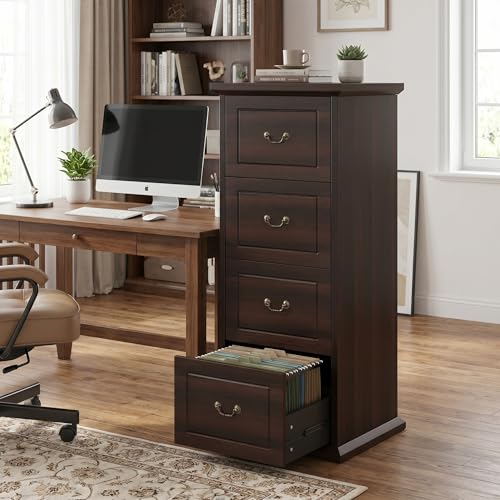
Antique Oak File Cabinet 4 Drawer: A Complete Buyer's Guide
Understand oak grading, drawer mechanics, joinery, and restoration realities before you choose a four-drawer antique file cabinet that will serve your home office for decades.
Why this guide matters: An antique oak file cabinet with four drawers is more than office storage — it is a piece of furniture history. Buyers researching this category usually already know they want solid oak and four drawers. What they still need is a clear understanding of construction quality, how oak species and grain affect durability, what drawer suspension systems appear in antiques, and how to judge restoration status. This guide answers those questions so you can evaluate any listing with confidence.
What Defines an Antique Oak File Cabinet?
An antique oak file cabinet 4 drawer is typically a vertical or lateral storage unit built from solid oak, designed to hold letter- or legal-size files across four stacked drawers. The "antique" label generally refers to pieces produced before the mid-twentieth century, when oak was the dominant hardwood for office and institutional furniture because of its density, tight grain, and resistance to wear.
Four-drawer configurations became the standard office workhorse because they balance capacity against footprint. A vertical four-drawer cabinet holds roughly the same volume as two smaller two-drawer units while occupying a single column of floor space. That efficiency is why so many surviving antique examples are four-drawer models — and why they remain practical today for home offices, archives, and craft storage.
If you are still comparing cabinet formats, our overview of the antique wood file cabinet covers how oak compares with walnut, mahogany, and pine across the broader antique file cabinet category.
Why Oak Was the Standard Choice
Oak offers a combination of properties that made it ideal for drawer-heavy furniture. Its closed, interlocked grain resists splitting when drawers are repeatedly opened and closed. The wood takes stain and finish predictably, which is why so many antique oak cabinets still show deep, readable grain patterns after a century of use.
Two oak families appear most often in antique office furniture. Red oak has a more open pore structure and a warmer tone; white oak is denser, tighter-grained, and more dimensionally stable over time. White oak pieces tend to command a higher position in the market because they resist seasonal movement better and hold joinery more reliably.
- Density: Oak's hardness reduces denting on drawer fronts and top surfaces.
- Grain character: Prominent ray flecks and cathedral patterns are hallmarks of quarter-sawn and plain-sawn oak respectively.
- Repairability: Solid oak accepts patches, splines, and refinishing far better than veneered composites.
- Patina: Aged oak develops a mellow depth that new finishes cannot replicate.
For buyers who prefer oak across the bedroom as well, our collection of antique oak dressers for sale follows the same material logic and can help you coordinate finishes across rooms.
Quality Tiers in the Antique Oak File Cabinet Market
Rather than fixating on any single listing, it helps to understand where a given cabinet sits within the market. The three tiers below describe relative construction quality and condition — not any specific transaction figure.
User-Grade Antiques
Pieces with visible wear, repaired veneer, or replaced hardware. Structurally sound but cosmetically imperfect. Suitable for workshops, craft rooms, or buyers who plan to paint or repurpose the cabinet. Expect simpler drawer runners and possibly non-original pulls.
Collector-Grade Antiques
Original finish with honest patina, intact dovetail joinery, and matching period hardware. Drawers slide smoothly on wood runners or early metal slides. This tier represents the balanced choice for most home offices — well-specified for the category without the rarity premium of museum pieces.
Museum-Grade Antiques
Exceptional white oak, quarter-sawn grain, untouched original finish, signed maker's marks, and flawless drawer action. Often from recognized office furniture manufacturers of the early twentieth century. A long-term investment for serious collectors and design-led interiors.
How to use these tiers: A mid-range cabinet with original dovetails and working locks is generally a more sensible acquisition than an entry-level piece that needs new runners and refinishing. Compare condition and joinery first, then place the piece in a tier.
Construction Details That Determine Longevity
Four drawers place repeated lateral and vertical stress on a cabinet's carcass. The construction choices below are the strongest predictors of whether an antique oak file cabinet will remain usable for another generation.
- Dovetail joinery: Hand-cut or machine-cut dovetails on drawer boxes signal quality. Stapled or nailed butt joints are a red flag.
- Drawer bottoms: Look for solid wood panels set in grooves rather than thin plywood stapled to the box. Solid bottoms resist sagging under file weight.
- Runners and slides: Early cabinets used waxed wood runners; later examples use metal side slides. Wood runners can be re-waxed and remain serviceable indefinitely. Bent or missing metal slides are harder to source.
- Carcass joinery: Dados and rabbets that are glued and nailed hold better than butt joints reinforced only with fasteners.
- Back panel: A solid or tongue-and-groove back adds racking resistance — critical for tall four-drawer units.
- Locks and hardware: Original brass locks with keys add usability and collectibility. Verify that the lock mechanism does not bind the drawer.
If your interest extends to flat storage or map and plan files, the antique flat file cabinet guide explains how wide-format drawer construction differs from vertical file cabinets.
Dimensions and Capacity: What Four Drawers Really Hold
Four-drawer vertical file cabinets from the antique era generally follow predictable proportions. Understanding these helps you plan placement before you commit to a piece.
| Specification | Typical Antique Range | What It Means for You |
|---|---|---|
| Overall height | Tall vertical format | Fits beside a desk or in a narrow office alcove |
| Overall width | Narrow single-column format | Suits small home offices and hallways |
| Drawer depth | Letter- or legal-depth | Confirm file size compatibility before committing |
| Drawer count | Four | Balances capacity against floor footprint |
| Weight | Heavy solid oak build | Plan for two-person handling and floor protection |
For adjacent storage needs, compare the footprint of a four-drawer file cabinet with an antique narrow chest of drawers — the two formats share a similar column profile but serve different contents.
Condition Assessment: A Practical Checklist
When evaluating a specific cabinet, work through these checks in order. Each one isolates a different failure mode common to antique office furniture.
- Racking test: Push gently on one top corner. A cabinet that twists easily has loose carcass joinery or a compromised back panel.
- Drawer cycle: Open and close every drawer fully. Note sticking, rubbing, or drop at full extension.
- Dovetail inspection: Look for filler, splits, or screws driven through dovetail pins — signs of past repair.
- Finish condition: Distinguish patina from damage. Alligatoring and fine crazing are acceptable; active flaking and water rings may require intervention.
- Hardware integrity: Test every lock, pull, and label holder. Missing period hardware is replaceable but affects tier placement.
- Odor and pest check: Musty or smoky odors and frass deposits indicate storage problems that may be difficult to reverse.
Our broader antique dresser resource applies the same condition framework to drawer furniture of all types, which is useful if you are furnishing a room around the cabinet.
Restoration vs. Preservation: Choosing the Right Path
Not every antique oak cabinet should be restored. Preservation — cleaning, waxing, and stabilizing — retains the piece's historical character and protects its position in the market. Restoration, which may involve refinishing or replacing components, is appropriate when structural failure threatens usability.
Light conservation steps you can take safely include gentle cleaning with a soft cloth, re-waxing wood drawer runners with paraffin or beeswax, and tightening loose hardware with correct-size drivers. Refinishing should be reserved for pieces where the original finish has already failed beyond stabilization.
If you are weighing a full refinish, our guide to the antique wood file cabinet for sale market discusses how refinishing affects perceived quality and collectibility in the broader category.
Where an Antique Oak File Cabinet Fits in Your Home
The four-drawer vertical format adapts to more rooms than its office origins suggest. In a home office it anchors the desk wall and holds active files. In a craft or sewing room, the drawers organize patterns, notions, and tools. In a hallway or entry, it functions as a slim storage column for gloves, mail, and paperwork.
Pair it with complementary antique storage to build a cohesive workspace. Our antique wooden chest of drawers overview and the apothecary cabinet with drawers guide both explore how multi-drawer antique furniture can be layered within a single room without visual clutter.
Frequently Asked Questions
Is a four-drawer antique oak file cabinet strong enough for daily use?
Yes, provided the carcass joinery is intact and the drawer runners are serviceable. Solid oak four-drawer cabinets were engineered for institutional daily use; most failures come from neglected runners or water damage rather than inherent weakness. Test each drawer cycle before purchase.
How can I tell solid oak from oak veneer?
Examine the end grain on drawer sides and the cabinet's top edge. Solid oak shows continuous grain through the thickness. Veneer shows a thin face layer over a different substrate, often visible at edges and corners where the veneer may have lifted. Quarter-sawn ray flecks should appear on both faces of solid stock.
Should I refinish an antique oak file cabinet or keep the original finish?
Preserve original finish whenever it is stable. Patina is part of the piece's identity and market position. Refinish only when the existing finish has failed — active flaking, deep staining, or structural moisture damage — and accept that refinishing moves the piece toward a lower tier in collector terms.
What is the difference between red oak and white oak in antique cabinets?
White oak is denser and more dimensionally stable, with tighter pores and a cooler tone. Red oak has a more open pore structure and a warmer hue. Antique office furniture made from white oak generally holds joinery better over decades and sits higher in the market than comparable red oak pieces.
Can a four-drawer file cabinet hold legal-size files?
Only if the drawer depth is specified as legal-size. Many antique four-drawer cabinets were built for letter-size files. Measure the interior drawer depth and confirm the intended file size before committing — legal folders require deeper drawers than letter folders.
Before you buy: Confirm drawer depth, test every drawer cycle, inspect dovetails, and verify hardware function. A cabinet that passes all four checks is ready for decades of continued service.