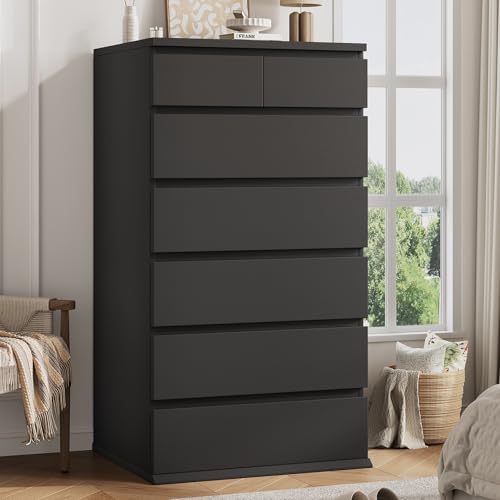
7 Drawer Dresser Wood: The Complete Guide to Choosing and Using One
A seven-drawer wooden dresser is one of the most versatile storage pieces you can add to a bedroom. Learn how to pick the right size, wood type, and drawer layout for a truly organized home.
Why a 7-drawer wood dresser matters: Seven drawers strike a rare balance between generous capacity and a footprint that still fits most bedrooms. Unlike a five-drawer dresser that can feel tight for two people, or a 8-drawer dresser that may dominate a smaller room, a seven-drawer wood dresser offers segmented storage without overcrowding. This guide walks you through sizing, wood materials, drawer mechanics, and real-world organization so you can buy with confidence.
What Exactly Is a 7 Drawer Wood Dresser?
A seven-drawer wood dresser is a storage chest built from solid wood, engineered wood, or a combination of both, featuring exactly seven drawers arranged in a column, a row, or a mixed layout. The configuration usually falls into one of three patterns:
- Two columns of three plus one wide bottom drawer — the most common layout, giving you six smaller drawers for folded clothing and one deep drawer for bulkier items like sweaters or bedding.
- One column of five plus two side drawers — often found in tall dressers with deep drawers, ideal for narrow rooms where vertical storage is preferred.
- Three columns with a mix of small and medium drawers — practical for separating accessories, undergarments, and everyday clothing.
Wood construction matters because it determines durability, weight capacity, and how the drawer slides hold up over years of daily use. Solid wood frames resist warping better than thin engineered panels, while quality engineered wood with proper joinery can still perform well in the mid-tier category.
Size and Placement: Finding the Right Fit
Before you fall in love with a finish or a drawer layout, measure your room. A seven-drawer dresser typically ranges from about 50 to 72 inches wide, 18 to 20 inches deep, and 30 to 40 inches tall. The exact dimensions vary by design, but these ranges help you plan.
- Leave at least 30 inches of walking space between the dresser front and the bed or opposing wall so drawers can open fully.
- Account for drawer extension. A 20-inch-deep dresser with full-extension slides needs roughly 20 inches of clearance in front.
- Anchor to the wall. Tall seven-drawer models should always be secured with an anti-tip strap, especially in homes with children or pets.
If your room is on the smaller side, a 72-inch wide dresser may be too much — consider a narrower configuration or a 6-drawer tall chest instead. For larger bedrooms, a wide seven-drawer unit can double as a media console when paired with a dresser with TV stand setup.
Choosing the Right Wood for a 7 Drawer Dresser
The wood species affects appearance, weight, and long-term stability. Here is how the most common options compare:
- Oak — dense, durable, and visually striking with prominent grain. A 6-drawer oak chest shows how oak performs in practice; a seven-drawer version offers the same toughness with more capacity.
- Pine — lighter and softer, with a rustic character. Pine can dent more easily, so it suits guest rooms or low-traffic spaces. See how 6-drawer pine chests handle real-world wear.
- Walnut — a premium hardwood with rich color and fine grain, often found in mid-range and high-end tier furniture.
- Engineered wood — stable and consistent, often used with wood veneers. Engineered wood dressers can be a solid choice for the essential tier when joinery is reinforced.
Look for drawer boxes made from solid wood or high-grade plywood rather than thin particleboard. Dovetail or reinforced box joints signal better construction than stapled corners. These details matter more than the outer finish when judging how long a dresser will last.
Quality Tiers: What to Expect at Each Level
Instead of focusing on numbers, think in terms of construction quality and material honesty. The table below summarizes what each tier typically delivers.
| Tier | Typical Construction | Best For |
|---|---|---|
| Essential tier | Engineered wood panels, basic metal slides, painted or laminated finish | Guest rooms, first apartments, short-term setups |
| Mid-range | Solid wood frame with veneered panels, side-mount or ball-bearing slides, dovetail drawer boxes | Primary bedrooms, daily use by one or two people |
| High-end tier | Mostly solid hardwood, soft-close full-extension slides, mortise-and-tenon joinery | Long-term investment, heavy daily use, design-focused spaces |
| Luxury | Premium hardwoods, hand-finished details, custom hardware, artisan joinery | Statement pieces in large bedrooms or suites |
A well-built mid-range seven-drawer wood dresser is often the sweet spot: it offers durable construction and smooth drawer action without the cost of a luxury piece. If you want the same build quality with fewer drawers, a 4-drawer dresser can be a good starting point for smaller rooms.
Drawer Mechanics: Slides, Stops, and Soft-Close
Drawer hardware is where many dressers fail first. A seven-drawer unit gets a lot of daily opening and closing, so invest in quality slides.
- Ball-bearing side-mount slides — common in the mid-tier, smooth enough for most bedrooms, and easy to replace if needed.
- Full-extension slides — let you reach the back of deep drawers. A heavy-duty full-extension slide set is a worthwhile upgrade for a seven-drawer dresser with deep bottom drawers.
- Soft-close mechanisms — prevent slamming and reduce wear. Heavy-duty soft-close slides are especially useful in children's rooms and shared bedrooms.
- Drawer stops — small but important; they keep drawers from pulling all the way out and falling.
Test a display model if possible: pull each drawer out fully and push it back. Smooth, quiet motion with no wobble indicates well-aligned slides and a square frame.
How to Organize a 7 Drawer Wood Dresser
Seven drawers give you the chance to create zones. Here is a practical layout that works for most couples and individuals:
- Top row (small drawers): socks, undergarments, accessories, and small folded items. Use drawer dividers to keep categories separate.
- Middle row (medium drawers): T-shirts, leggings, and workout wear. Fold items vertically so you can see everything at a glance.
- Bottom row (deep drawers): jeans, sweaters, bedding, or off-season clothing. A clothes drawer organizer can add structure to a large bottom drawer.
If you share the dresser, assign each person a column or row. Rotate seasonal clothing so heavier items move to the bottom drawers in winter and lighter items take over in summer. For a deeper dive into drawer planning, see our dresser with organizer breakdown.
Common Mistakes to Avoid
- Buying without measuring the room. A seven-drawer dresser is wider than many people expect. Tape out the footprint on your floor before ordering.
- Ignoring drawer depth. Shallow drawers are fine for folded shirts but frustrating for sweaters. Check the interior drawer height, not just the exterior.
- Skipping the anti-tip strap. Tall dressers must be anchored. This is a safety requirement, not an optional extra.
- Overlooking drawer box material. A beautiful exterior can hide thin drawer sides. Ask about the drawer box or check the product specification.
- Assuming all wood is equal. Solid wood frames with veneered panels are normal and often better than all-veneer construction. Focus on joinery and hardware quality.
Frequently Asked Questions
Is a 7 drawer dresser big enough for two people?
It can be, especially if the drawers are well organized. Seven drawers give you enough zones for two people's folded clothing if you use dividers and assign clear sections. For shared rooms with heavy storage needs, a large dresser with lots of drawers may be a better fit.
What is the best wood for a seven-drawer dresser?
Oak and walnut are the most durable hardwoods for daily use. Pine is lighter and softer but works well in guest rooms. Engineered wood with solid wood frames is a practical middle ground when the joinery is reinforced. See our notes on brown oak dressers for a closer look at oak construction.
How much space do I need in front of a 7 drawer dresser?
Plan for at least 30 inches of clearance so drawers can open fully without hitting the bed or wall. If your dresser has full-extension slides, measure the drawer depth and add a few inches of buffer.
Should I choose a wide or tall 7 drawer dresser?
Wide layouts suit larger bedrooms and double as a surface for decor or a TV. Tall layouts work better in narrow rooms and small apartments. Both are available in wood, so the decision comes down to your floor plan and how much wall space you have.
Ready to Compare 7 Drawer Wood Dressers?
Browse our curated selection below to see available models, drawer layouts, and wood finishes. Each listing includes key specifications to help you compare features side by side.
Explore 7 Drawer Wood Dressers