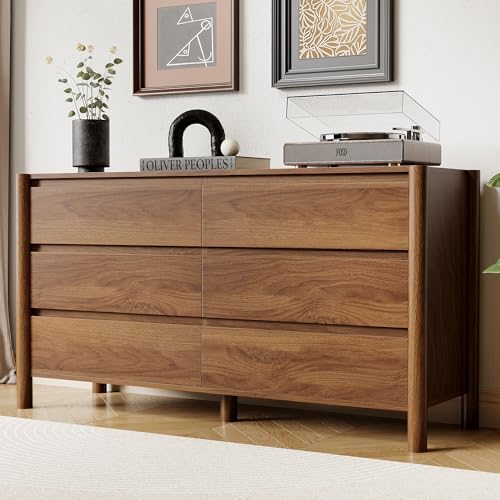
Wood Dressers for Bedroom: The Complete Buying Guide
A solid wood dresser is more than storage — it is a lasting investment in your bedroom's beauty and function. Learn how to choose the right wood, style, and size for your space.
Why wood dressers deserve your attention: Wood remains the most trusted material for bedroom storage because it balances durability, warmth, and timeless design. Whether you prefer the clean grain of oak or the rich depth of walnut, a well-chosen wood dresser can serve your family for decades. This guide walks you through every decision — from wood species to drawer mechanics — so you can buy with confidence.
Why Choose a Wood Dresser for Your Bedroom?
Wood dressers bring a natural warmth that engineered materials struggle to replicate. Beyond aesthetics, solid wood offers practical advantages: it holds screws and joints firmly, resists warping when properly sealed, and can be sanded and refinished if it ever shows wear. In a bedroom — a room designed for rest — natural wood grain also contributes a calming, organic quality that complements almost any decor style.
Another key benefit is longevity. A wood dresser built from solid hardwood can be repaired rather than replaced. Drawer runners can be tightened, surfaces refinished, and hardware upgraded. This repairability makes wood a genuinely sustainable choice compared to particleboard furniture that often ends up in landfills after a few years.
If you are still exploring broader options, our wood dressers for bedroom collection overview can help you see the range of styles available before narrowing down to a specific wood type.
Wood Types: Which Is Best for a Bedroom Dresser?
Not all wood is equal. The species you choose affects durability, grain pattern, weight, and how the piece ages over time. Here is a comparison of the most common dresser woods:
| Wood Type | Character | Durability | Best For |
|---|---|---|---|
| Oak | Strong open grain, light to medium tone | Very high | Family homes, heavy daily use, rustic and modern styles |
| Walnut | Rich dark chocolate tones, smooth grain | High | Mid-century and contemporary bedrooms, statement pieces |
| Maple | Fine uniform texture, pale creamy color | Very high | Minimalist and Scandinavian interiors, painted finishes |
| Pine | Knotty, soft, light golden tone | Moderate | Farmhouse and cottage styles, guest rooms |
| Mahogany | Deep reddish-brown, elegant straight grain | High | Traditional and luxury bedrooms, heirloom pieces |
| Birch | Light and even grain, subtle texture | High | Contemporary and painted designs, versatile matching |
If you are drawn to a specific look, a wood dresser with black handles creates a striking modern contrast, while a wood dresser with gold handles adds a touch of warmth and elegance to transitional bedrooms.
Solid Wood vs. Engineered Wood: What Should You Buy?
This is one of the most important decisions in your purchase. Both categories have legitimate strengths, but they serve different needs and expectations.
Solid Wood Dressers
- Durable and repairable over decades
- Can be sanded and refinished multiple times
- Holds joinery and hardware firmly
- Develops a natural patina with age
- Heavier and requires stable indoor humidity
- Belongs to the premium and luxury tiers
Engineered Wood Dressers
- More stable in humid or fluctuating climates
- Lighter and easier to move
- Consistent surface with fewer natural defects
- Often available in the entry-level and mid-range tiers
- Limited repairability once the surface is damaged
- Good for temporary setups or guest rooms
For a primary bedroom where the dresser will see daily use for many years, solid wood is the stronger long-term investment. For a guest room or a first apartment where flexibility matters more than permanence, a well-made engineered piece can be a sensible choice. If you are comparing specific construction methods, our guide on wood and metal dresser combinations also covers mixed-material construction and what to look for in joints and frames.
Dresser Styles That Suit a Bedroom
Wood dressers come in a wide range of silhouettes. The right style depends on your room size, existing furniture, and personal taste.
Mid-Century Modern
Clean lines, tapered legs, and subtle grain patterns define this style. Walnut and teak are the classic woods here. A mid-century dresser works beautifully in smaller bedrooms because the elevated legs create visual lightness. Pair it with a matching wood dresser and nightstand set for a cohesive bedroom arrangement.
Traditional and Classic
Rounded edges, decorative moldings, and rich finishes characterize traditional wood dressers. Mahogany and cherry are common choices. These pieces suit larger bedrooms and pair well with upholstered headboards and layered bedding.
Rustic and Farmhouse
Pine and reclaimed oak bring texture and informality. Distressed finishes and visible knots are features, not flaws. If you are furnishing a cottage-style bedroom, a wooden chest of drawers with a natural or whitewashed finish fits the aesthetic perfectly.
Modern and Minimalist
Handle-free fronts, tight grain, and low profiles define modern wood dressers. Maple and birch are excellent for this look. A wide dresser with a clean face can double as a media console or a display surface in a compact bedroom.
Choosing the Right Size and Configuration
Size is where many buyers make mistakes. A dresser that is too large crowds the room; one that is too small leaves you short on storage. Start by measuring your available wall space and the clearance you need to open drawers comfortably.
Tall Chest (5–7 drawers)
Roughly 30–40 inches wide and 45–55 inches tall. Ideal for small bedrooms with limited floor space. Offers generous vertical storage in a compact footprint.
Double Dresser (6–8 drawers)
Roughly 55–65 inches wide and 30–36 inches tall. The most popular bedroom configuration. Provides a broad top surface and balanced storage for two people.
Wide Dresser (8–10 drawers)
Roughly 65–75 inches wide. Best for large primary bedrooms with ample wall space. A wide dresser with deep drawers is excellent for storing bulky items like sweaters and linens.
Bachelor Chest (3–4 drawers)
Roughly 30–36 inches wide and 30–34 inches tall. Works as a standalone piece in guest rooms or as a secondary storage unit alongside a larger dresser.
As a rule of thumb, leave at least 24 inches of clearance in front of the dresser so drawers can open fully. Also consider the height of your bed — a dresser top that sits roughly level with the mattress creates a more balanced visual line in the room.
Quality Tiers: What to Expect at Each Level
Wood dressers span a wide range of construction quality. Understanding the tiers helps you set realistic expectations and judge whether a piece is well-specified for its class.
Entry-Level
Usually engineered wood with wood veneer. Basic drawer runners, stapled or cam-lock joinery. Suitable for guest rooms and temporary setups. Expect a shorter lifespan and limited repairability.
Mid-Range
Solid wood fronts with engineered wood cases, or all-solid construction in softer species like pine. Metal drawer glides and doweled joints. A balanced choice for everyday bedroom use.
Premium
Solid hardwood construction in oak, maple, or walnut. Dovetail drawer joints, full-extension soft-close glides, and quality hardware. Built to last for decades with proper care.
Luxury / Heirloom
Hand-selected hardwoods, traditional joinery, hand-rubbed finishes, and custom hardware. These pieces are designed to be passed down. Often made by specialist furniture makers.
Within any tier, look for signs of good construction: drawers that slide smoothly without wobbling, backs that are properly attached, and joints that are tight and consistent. A mid-range piece with excellent joinery often outperforms a premium piece with careless assembly.
Matching Your Wood Dresser to the Room
A dresser should feel like it belongs in the room, not like an afterthought. Here are practical ways to integrate a wood dresser into your bedroom design:
- Match the wood tone to your bed frame. A wood dresser set that shares the same species and finish as your bed creates visual harmony.
- Use a dresser as a nightstand alternative. In compact rooms, a wood nightstand sized piece beside the bed can free up wall space for a larger dresser elsewhere.
- Consider a dresser with a mirror. A mirror above or attached to the dresser adds function and makes the room feel larger. See our wood bureau guide for mirror-topped configurations.
- Anchor with a rug. A rug beneath the dresser defines the zone and protects the floor.
- Layer lighting. A lamp on the dresser top adds warmth and makes the wood grain glow in the evening.
For a coordinated bedroom, a wood dresser for sale in a matching finish to your existing nightstands is often the simplest path to a cohesive look. If you prefer a curated, mixed-wood aesthetic, choose one dominant species and one accent species to avoid visual clutter.
Care and Maintenance for Wood Dressers
A wood dresser will reward you with years of service if you follow a few simple habits:
- Dust weekly with a soft, dry microfiber cloth.
- Keep the dresser out of direct sunlight to prevent fading and uneven aging.
- Maintain indoor humidity between 40% and 60% to reduce the risk of cracking or warping.
- Apply a furniture wax or polish every three to six months to nourish the finish.
- Wipe spills immediately with a slightly damp cloth, then dry.
- Avoid placing hot or wet items directly on the surface — use coasters and trays.
- Check drawer screws and glides annually and tighten as needed.
For a deeper dive into wood selection and aging characteristics, our guide on wood types for antique furniture explains how different species patina over time and what that means for long-term ownership.
Frequently Asked Questions
What is the best wood for a bedroom dresser?
Oak and walnut are excellent choices for durability and grain beauty, while pine offers a softer, more rustic character. Maple and mahogany are also popular for their strength and fine texture. The best wood depends on your style preference, climate, and willingness to maintain the finish.
Is solid wood better than engineered wood for a dresser?
Solid wood is generally more durable, repairable, and long-lasting than engineered wood. It can be sanded and refinished multiple times. Engineered wood is more stable in humid conditions and often lighter. For a long-term investment in a primary bedroom, solid wood is the preferred choice.
What size wood dresser should I get for my bedroom?
Measure your available wall space and walking clearance first. A standard double dresser is about 60 inches wide, while a tall chest is roughly 30 to 40 inches wide and 50 inches tall. Allow at least 24 inches of clearance in front of the dresser for comfortable drawer access.
How do I maintain a wood dresser?
Dust regularly with a soft cloth, avoid direct sunlight and moisture, and apply a furniture wax or polish every few months. Keep it away from heating vents and use coasters for drinks. Promptly wipe spills to prevent stains.
Can a wood dresser be painted or refinished?
Yes. Solid wood dressers can be sanded and repainted or stained to match a new decor scheme. Engineered wood with veneer is much harder to refinish because sanding can expose the core material. If you plan to repaint later, solid wood is the safer choice.
How many drawers do I need in a bedroom dresser?
For one person, a 5- to 6-drawer dresser is usually sufficient. For two people sharing a bedroom, an 8- to 10-drawer double or wide dresser provides better separation of storage. Consider drawer depth as well — deep drawers are better for bulky items, while shallow drawers suit folded clothing and accessories.
Ready to Choose Your Wood Dresser?
A wood dresser is one of the few bedroom purchases that can genuinely last a lifetime. By understanding wood species, construction quality, size options, and care requirements, you can choose a piece that fits your room today and continues to serve you for years to come.
Browse the curated recommendations below to compare real products across styles and tiers. Each listing includes key details to help you evaluate construction and fit. For related reading, explore our guides on wooden tallboy chest of drawers and wooden storage chest with drawers for alternative storage configurations.