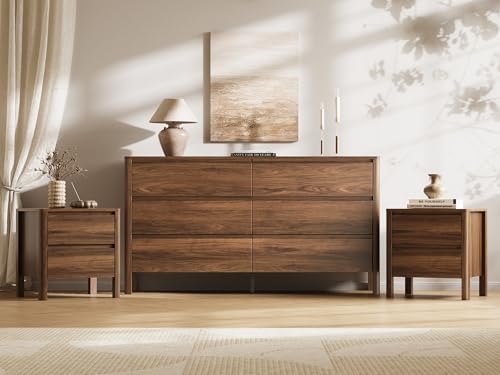
Wood Dresser and Nightstand Set: The Complete Buyer's Guide
Everything you need to know about choosing a coordinated wood dresser and nightstand set — from wood species and construction quality to sizing, styling, and long-term durability.
START YOUR RESEARCHWhy a coordinated set makes sense: A matched wood dresser and nightstand set brings visual harmony to your bedroom, simplifies shopping decisions, and often delivers better construction consistency than mixing pieces from different makers. This guide walks you through every factor that matters before you commit to a set.
Why Choose a Wood Dresser and Nightstand Set?
Bedroom furniture works best when it feels intentional. A coordinated wood dresser and nightstand set delivers that cohesion immediately, pairing a generous primary storage piece with a bedside companion that shares the same materials, finish, and hardware language. For buyers in the research stage, this approach removes the guesswork of matching tones and styles across separate purchases.
The practical benefits go beyond aesthetics. Manufacturers that produce sets typically design the dresser and nightstand to share drawer glide systems, joinery standards, and finish processes, which means consistent quality across both pieces. If you are exploring the broader category, our guide to the wood dresser set covers how these collections are assembled and what to expect at each quality tier.
Coordinated sets also simplify future expansion. If you later add a matching chest or bed frame from the same collection, the visual continuity holds. For a closer look at the dresser component itself, the wood dresser overview explains how drawer configuration and carcass construction vary across the market.
Wood Types: What Each Species Brings to the Set
The wood species is the single biggest factor in how your set looks, feels, and ages. Different hardwoods and softwoods behave differently under humidity, take finishes differently, and carry different grain characters. Understanding these distinctions helps you match the set to your climate and lifestyle.
Oak
Oak is a dense, open-grained hardwood prized for its pronounced grain and exceptional durability. It resists dents well and takes stains beautifully, making it a mainstay of both traditional and modern sets. White oak leans cooler and more contemporary; red oak carries warmer honey undertones.
Walnut
Walnut offers a rich, dark chocolate-brown tone with smooth, tight grain and natural luster. It is a premium-tier material that reads as sophisticated in mid-century and contemporary bedrooms. Walnut is softer than oak but stable and highly workable.
Maple
Maple is a hard, fine-grained wood with a creamy, uniform appearance. It resists wear exceptionally well and takes paint cleanly, which makes it a favorite for painted sets. Its subtle grain suits minimalist and Scandinavian-inspired bedrooms.
Pine
Pine is a softer softwood with rustic character, visible knots, and warm honey tones that deepen with age. It is common in farmhouse and cottage-style sets. Because it dents more easily than hardwoods, pine suits entry-level and mid-range sets better than high-traffic luxury collections.
Mahogany and Cherry
Mahogany and cherry both bring reddish-brown warmth and fine grain. Cherry darkens gracefully with light exposure, developing a patina over years. These species appear most often in premium and luxury-tier traditional sets.
If you are weighing how species choice interacts with older or vintage pieces, our notes on wood types for antique furniture provide useful context on grain identification and finish compatibility.
Construction Quality: What Separates Tiers
Two sets can look identical in a showroom photo yet differ enormously in how they hold up after five years of daily use. Construction details are where quality tiers reveal themselves. Use this framework to evaluate any set you are considering.
Drawer Glides and Mechanisms
Entry-level sets typically use standard side-mounted roller glides. Mid-range sets upgrade to ball-bearing side glides or basic undermount slides. Premium and luxury sets use full-extension, soft-close undermount glides rated for higher cycle counts. The difference is most noticeable in wide, deep drawers, where a robust glide prevents sagging and wobble.
Joinery
Dovetail joints at drawer corners signal serious construction. Box joints and reinforced dowel construction appear in solid mid-range pieces. Stapled or glued-only corners belong to entry-level construction and are more prone to loosening over time.
Carcass and Back Panels
Look for solid wood or high-grade plywood for drawer boxes and carcass panels. Thin hardboard backs and particleboard cores reduce structural rigidity. A well-built set feels heavy and solid when you nudge it — that weight reflects material density and bracing.
Finish and Hardware
Catalyzed lacquer and conversion varnish finishes resist moisture and wear better than basic solvent finishes. Hardware quality matters too: solid metal pulls outlast hollow zinc-alloy castings. If you are considering customization, our guides to wood dressers with black handles and wood dressers with gold handles show how hardware choices shift the character of a set.
Quick quality check
Open and close every drawer on the floor model. Listen for smoothness, check for side-to-side play, and inspect the drawer box corners. A set that feels tight and silent at the showroom stage is far more likely to stay that way.
Quality Tiers at a Glance
| Tier | Typical Construction | Best For | Durability Outlook |
|---|---|---|---|
| Entry-Level | Engineered wood with veneer, side roller glides, stapled or doweled drawer boxes | Guest rooms, first apartments, short-term furnishing | Moderate; expect wear in heavy-use drawers after several years |
| Mid-Range | Solid wood frames with quality veneers, ball-bearing or basic undermount glides, box joints | Primary bedrooms, family homes, regular daily use | Good; solid choice for the tier with proper care |
| Premium | Solid hardwood, full-extension soft-close undermount glides, dovetail drawer boxes | Master suites, buyers seeking a long-term investment | Excellent; refinishable and highly durable |
| Luxury | Select hardwood, hand-finished surfaces, precision joinery, designer hardware | High-end interiors, collectors, heirloom-quality furnishing | Exceptional; built to last generations with care |
Sizing the Dresser and Nightstand Set to Your Room
Size mismatches are the most common regret among furniture buyers. Before comparing finishes and hardware, measure your space and confirm the set will function comfortably.
Dresser Sizing
A wide dresser works well as a focal point in a larger bedroom, offering generous drawer area for clothing and linens. Tall, narrow dressers suit compact rooms where wall space is limited. Leave at least 24 inches of clearance in front of the dresser so drawers can open fully, and account for door swings and walking paths.
If your room is tight, the category of wide dressers with deep drawers may be more practical than it first appears — deep drawers consolidate storage so you need less floor area overall. Conversely, wood chests of drawers for the bedroom offer a vertically efficient alternative when horizontal wall space is scarce.
Nightstand Sizing
The nightstand top should sit at or slightly above mattress height for comfortable reach. A standard bedside height falls between 24 and 28 inches, but adjustable bed frames and thicker mattresses shift this range. Ensure the nightstand width leaves room for a lamp, a book, and a glass of water without crowding.
For buyers thinking through the bedside piece independently, the guide to wood for nightstands breaks down species suitability and surface durability for bedside use.
Proportion and Balance
A coordinated set should feel balanced rather than matched in scale. If the dresser is tall and substantial, a slightly lower nightstand prevents the bed area from feeling walled in. If the dresser is low and wide, the nightstand can be closer to mattress height without visual conflict.
Matching the Set to Your Bedroom Style
Wood sets span the full stylistic spectrum, and the right choice depends on the architecture of your room and the mood you want to create.
Modern and Contemporary
Clean lines, flat-front drawers, and minimal hardware define modern wood sets. Walnut, maple, and white oak in natural or matte finishes dominate this category. Floating tops and recessed plinths add a lighter visual footprint.
Mid-Century Modern
Tapered legs, angled drawer fronts, and warm walnut tones anchor mid-century sets. Hardware often features contrasting metal accents or sculpted wood pulls. These sets pair well with low-profile beds and open, airy rooms.
Farmhouse and Rustic
Pine and reclaimed-look woods with distressed finishes, X-bracing, and cup pulls define farmhouse sets. These pieces lean toward warmer, more relaxed bedrooms and pair naturally with textured textiles and natural fiber rugs.
Traditional and Transitional
Cherry and mahogany sets with bracket feet, molding details, and antique brass hardware suit traditional bedrooms. Transitional sets bridge old and new with simplified silhouettes in classic woods.
If you are refining the dresser's aesthetic beyond the set, the wood and metal dresser overview explores how mixed-material designs can complement or contrast with a coordinated wood set.
Pre-Purchase Checklist for Wood Dresser and Nightstand Sets
Run through this list before finalizing your decision. Each item addresses a common source of buyer regret.
- Confirm the drawer boxes are solid wood or high-grade plywood, not thin hardboard.
- Test every glide on the floor model for smoothness and side play.
- Verify dovetail or reinforced joinery at drawer corners.
- Measure wall space and confirm drawer clearance of at least 24 inches.
- Check nightstand height against your actual mattress top.
- Ask about the finish type and its moisture resistance.
- Confirm the set includes anti-tip hardware for the dresser.
- Review the return policy and assembly requirements.
- Check whether the wood is FSC-certified or sourced responsibly.
- Compare hardware finish durability if metal pulls are used.
Caring for Your Wood Set Over the Long Term
Solid wood sets reward proper care with decades of service. Keep the set away from direct sunlight and heating vents to prevent uneven fading and seasonal cracking. Dust with a soft, slightly damp cloth and avoid silicone-based polishes that can build up and dull the finish.
Humidity control matters more than most buyers expect. Aim for indoor relative humidity between 40 and 55 percent; dramatic swings cause wood to expand and contract, which stresses joints and finishes. In dry climates, a room humidifier protects the investment. In humid climates, ensure adequate ventilation or climate control.
For painted or stained surfaces, touch up minor scuffs promptly to prevent moisture intrusion. If the finish is a catalyzed lacquer, avoid abrasive cleaners entirely — mild soap and water is sufficient for routine cleaning.
Considering Alternatives to a Coordinated Wood Set
Not every bedroom benefits from a matched set. Some buyers prefer to pair a wood dresser with a different nightstand material for visual contrast, or to introduce a whitewashed or painted finish for a lighter palette. If a softer, coastal-inspired look appeals to you, the whitewash dresser and nightstand set guide covers how whitewashed finishes differ in maintenance and style match.
Buyers furnishing a compact room may also want to explore wood dressers for the bedroom with narrower footprints, or evaluate whether a wooden tallboy chest of drawers better suits a corner placement than a wide dresser. Each option trades off storage volume against floor footprint differently.
Ready to Compare Sets?
Browse curated wood dresser and nightstand sets matched to your style, space, and quality tier expectations.
EXPLORE RECOMMENDED SETSFrequently Asked Questions
What should I look for in a wood dresser and nightstand set?
Focus on solid wood construction or high-grade engineered wood, smooth-gliding drawer mechanisms, dovetail or reinforced joints, and a finish that matches your bedroom style. Check that the nightstand height aligns comfortably with your mattress top, and confirm anti-tip hardware is included for the dresser.
Is solid wood better than engineered wood for a dresser set?
Solid wood offers superior durability and can be refinished over time, making it a long-term investment. High-grade engineered wood with quality veneers can be a solid mid-range choice with good stability and consistent appearance, though it is less repairable if damaged.
How do I choose the right size dresser and nightstand set for my bedroom?
Measure your available wall space, leave clearance for drawer openings (at least 24 inches), and ensure the nightstand sits at a comfortable height relative to your bed. A wide dresser works well in larger rooms, while tall or narrow options suit compact spaces.
Do dresser and nightstand sets come fully assembled?
Assembly requirements vary by manufacturer and tier. Entry-level and mid-range sets often require partial assembly, while premium and luxury sets may arrive fully assembled or with minimal setup. Always confirm assembly details before ordering, especially for upstairs delivery.
How often should I inspect the hardware and glides on my set?
Check drawer glides and hardware every six to twelve months. Tighten loose screws, apply appropriate lubricant to metal glides if recommended by the manufacturer, and address any wobble early to prevent joint stress from compounding over time.