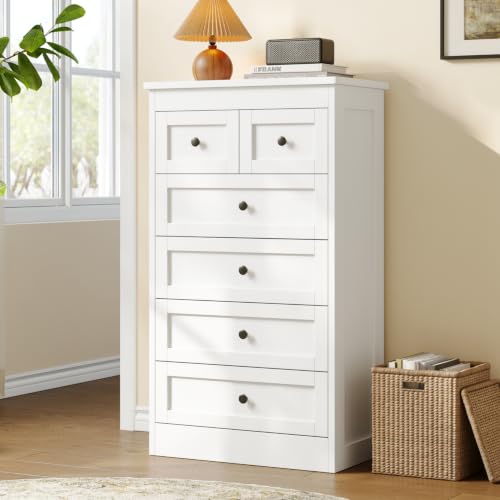
White Dresser Easy To Assemble: Your Complete Buying Guide
Everything you need to know before choosing a white dresser that assembles quickly, fits your bedroom, and delivers reliable storage for years to come.
Explore Assembly TipsWhy this guide matters: A white dresser is one of the most versatile bedroom storage pieces you can buy, but assembly quality varies widely between models. This guide explains how easy-to-assemble white dressers are built, what to check before purchase, and how to assemble one correctly so it stays sturdy and level for the long term.
Why a White Dresser Is a Smart Bedroom Choice
White dressers work in nearly every bedroom style, from minimalist and Scandinavian to farmhouse and coastal. The light finish reflects natural light, making small rooms feel more open, and it pairs easily with almost any color palette. For buyers researching a white dresser for sale, the key advantage is versatility: a white finish rarely conflicts with existing furniture, bedding, or wall colors.
Beyond aesthetics, white dressers are available across every market tier, from entry-level flat-pack units to premium solid wood builds. The right choice depends on how much assembly effort you are willing to invest, how heavy the drawers will be loaded, and how long you expect the piece to last.
Common White Dresser Styles to Consider
- Modern flat-front: Clean lines, handle-free or slim hardware, and typically the easiest to assemble because of simple panel construction.
- Shaker-inspired: Recessed panel drawer fronts with a classic look; see our guide to Shaker dressers for a deeper comparison.
- Coastal and rattan: White frames with textured drawer fronts, such as a white dresser with rattan drawers, for a relaxed bedroom feel.
- Tall and narrow: Vertical storage for tight floor plans, similar to a tall white dresser for bedroom layout.
- High-gloss: A reflective finish that suits contemporary interiors; see white high gloss dresser options for a polished look.
What Makes a White Dresser Easy to Assemble
Not every flat-pack dresser is genuinely easy to put together. The difference usually comes down to four design factors: hardware system, panel labeling, drawer runner type, and instruction clarity. Understanding these before you buy prevents frustration on assembly day.
1. Cam-Lock and Dowel Systems
Cam-lock fittings let you join panels by turning a locking cam a quarter turn after inserting a connecting bolt. When panels arrive pre-drilled and pre-fitted, assembly becomes a sequence of straightforward steps rather than precision drilling. This system is the most common reason a white dresser earns an "easy to assemble" reputation.
2. Pre-Drilled and Labeled Parts
Look for numbered panels, lettered hardware bags, and pre-drilled pilot holes. Clear labeling reduces the chance of installing a side panel backward, which is the most frequent assembly error on white dressers where both faces look similar.
3. Drawer Runner Type
Metal ball-bearing runners with pre-mounted brackets are far easier to align than wooden drawer glides. They also tend to operate more smoothly over time. If you plan to load drawers heavily, look for reinforced metal runners and consider whether heavy-duty locking drawer slides are offered as an upgrade or aftermarket fit.
4. Clear Visual Instructions
A well-designed manual uses exploded diagrams and hardware counts rather than dense text. Brands that publish assembly videos or provide a QR code in the box generally deliver a smoother experience.
Buyer's Tip
Before ordering, check the product listing for a downloadable assembly manual. If the manufacturer publishes the manual publicly, that is usually a sign the assembly process is straightforward and well documented.
Materials and Build Quality: What to Expect by Tier
White dressers are built from a range of materials, and the tier you choose has a direct effect on both assembly difficulty and long-term durability. Use the table below as a general reference when comparing options.
| Tier | Typical Construction | Assembly Experience | Best For |
|---|---|---|---|
| Entry-level | Laminated particle board with cam-lock fittings | Moderate; many parts but well-labeled | Guest rooms, first apartments, light use |
| Mid-range | Thicker engineered wood panels, metal runners, partial solid wood trim | Easier; pre-fitted hardware and clearer diagrams | Primary bedrooms, daily use |
| Premium | Solid wood frame with engineered drawer boxes | Moderate; heavier panels need a second person | Long-term family use |
| Luxury | Solid hardwood, dovetail drawers, premium hardware | Often partially or fully pre-assembled | Design-focused, high-traffic bedrooms |
For a closer look at solid wood construction and why it matters, see our guide to the dresser buying guide. If you prefer to skip assembly entirely, pre-assembled dressers for sale are worth exploring as an alternative.
Choosing the Right Size for Your Bedroom
Size is the most common source of buyer regret. Measure your available wall space, account for door swings and walking clearance, and match drawer count to your actual clothing volume rather than guessing.
- Three drawers: Compact units suited to small rooms or as a secondary storage piece; browse 3 drawer dressers for typical layouts.
- Five drawers: The most popular bedroom configuration; see 5 drawer dresser options for a balanced size.
- Six drawers: A wider footprint for couples; our solid wood 6 drawer dresser guide covers construction details.
- Wide formats: If your wall space runs horizontally, a wide chest of drawers may fit better than a tall unit.
- Narrow formats: For tight corners, a 45 inch wide dresser is a practical starting point.
Also consider height relative to your bed and windows. A dresser that sits slightly below the window sill keeps sightlines open, while a taller unit may block natural light in a compact room.
Step-by-Step: How to Assemble a White Dresser Correctly
The following sequence works for most flat-pack white dressers. Always follow the manufacturer's manual first, but use these steps as a practical framework for a smoother build.
- Unpack and sort. Lay out all panels and hardware bags on a soft surface such as a moving blanket. Count the parts against the manual's hardware list before starting.
- Build the frame upside down. Most designs start with the top panel face-down on the floor, then attach the sides. This protects the visible white finish from scratches.
- Insert cam bolts and dowels. Hand-tighten cam locks first, then confirm the panel is flush before final tightening. Over-tightening can crack engineered wood edges.
- Install the base and back panel. The back panel provides structural rigidity. Attach it only after the frame is square, and check diagonals with a tape measure.
- Assemble drawers separately. Build each drawer box, then fit the runners. Keep drawer fronts slightly loose until all drawers are in place, then align and tighten.
- Attach hardware and anti-tip strap. Install knobs or pulls last so they are not damaged during handling. Fit the anti-tip strap to the wall as recommended.
- Final check. Open and close each drawer to confirm smooth travel, then verify the unit sits level. Adjust feet or glides if needed.
Assembly Time Expectation
Most easy-to-assemble three- and four-drawer white dressers take roughly 45 minutes to two hours for one person with a screwdriver. Six-drawer units with wider panels typically take longer and benefit from a second person holding panels steady.
Keeping Your White Dresser Looking New
White finishes show scuffs and dust more readily than darker woods. A few simple habits keep the surface clean without damaging the laminate or painted finish.
- Dust weekly with a microfiber cloth rather than a paper towel, which can leave fine scratches.
- Avoid abrasive cleaners; a mild damp cloth is usually sufficient for white laminate.
- Use drawer liners to protect the interior and reduce clothing snags; see bureau drawer liners for options.
- Keep the dresser away from direct moisture sources and wipe spills promptly, especially on engineered wood.
- Re-tighten cam locks and hardware after the first month of use, then annually.
If you are also furnishing a guest room or primary suite, matching pieces such as a white bedside table with drawer or a bedroom dresser and side table set create a cohesive look without extra design effort.
White Dresser vs. Other Bedroom Storage Options
A dresser is not the only storage solution, and the right choice depends on your room and wardrobe. Here is how a white dresser compares with common alternatives.
- White dresser vs. chest of drawers: The terms are often used interchangeably, but chests are usually taller and narrower. Compare formats in our white chest dresser overview.
- White dresser vs. armoire: An armoire offers hanging space plus drawers; see solid wood armoire with drawers for a combined solution.
- White dresser vs. under-bed storage: If floor space is limited, under bed storage can supplement a smaller dresser.
- White dresser vs. storage credenza: A storage dresser for living room expands the dresser's role beyond the bedroom.
Frequently Asked Questions
How long does it typically take to assemble a white dresser?
What tools do I need to assemble a white dresser?
Are white dressers with particle board construction durable?
Can I assemble a white dresser alone?
What should I check after assembling a white dresser?
Ready to Find Your White Dresser?
Browse our recommended white dressers and storage pieces below, selected for straightforward assembly and dependable bedroom storage.
View Recommended Dressers