Walnut Chest of Drawers: The Complete Guide
Everything you need to know about choosing a walnut chest of drawers — wood grades, styles, drawer construction, and how to match it to your bedroom.
START THE GUIDEWhy walnut? Walnut is one of the most sought-after hardwoods in furniture making. Its deep, chocolate-brown tones and flowing grain patterns give a chest of drawers a warm, sophisticated presence that stands out in any bedroom. If you are researching a walnut chest of drawers before buying, this guide walks you through the material, the construction details that matter, and the styles available so you can decide with confidence.
What Makes Walnut Chest of Drawers Special
Walnut (often American black walnut or European walnut) is a dense, tightly grained hardwood. Compared to oak or pine, walnut offers a richer, darker palette without the need for staining. That natural color depth is a big part of why walnut furniture reads as premium. A well-built walnut chest of drawers can serve as the visual anchor of a bedroom for decades.
Beyond appearance, walnut is valued for stability. It resists warping and shrinking better than many softer woods, which matters for drawer fronts and cabinet frames that need to stay aligned over time. If you want a broader overview of how different walnut pieces compare, the walnut chests collection covers tallboys, lowboys, and specialty formats.
Key Factors When Choosing a Walnut Chest
1. Solid Walnut vs. Walnut Veneer
Both are legitimate options, but they behave differently. Solid walnut uses full-thickness hardwood for drawer fronts and the main frame. It is heavier, repairable, and develops a patina over time. Walnut veneer uses a thin slice of real walnut bonded to a stable engineered core; it is more resistant to seasonal humidity swings and allows for larger, flatter panels. For a deeper comparison of construction types, see our guide on walnut wood dressers.
2. Drawer Construction
The drawers are where a chest proves its quality. Look for dovetail joinery (English or French), solid wood drawer sides, and metal slides rated for the load. Soft-close slides and undermount glides are common in mid-range and premium pieces. A chest with well-made drawers will feel smooth and quiet even after years of daily use.
3. Size and Drawer Count
Walnut chests range from compact three-drawer bedside units to tall five- and six-drawer chests. Think about what you store: bulky knitwear and linens favor fewer, deeper drawers, while folded shirts and accessories suit more, shallower drawers. If space is tight, a vertical dresser configuration can maximize height without eating floor space.
4. Finish and Hardware
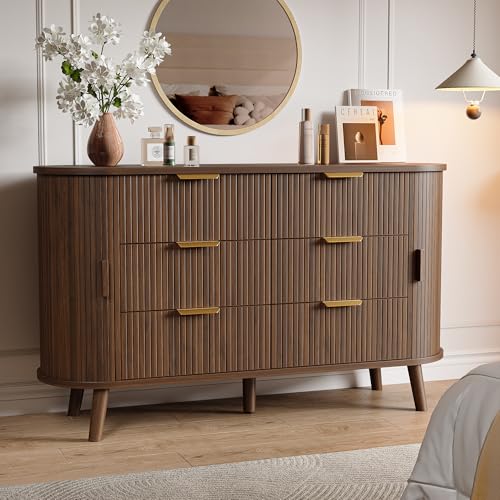
Walnut takes well to both oil and lacquer finishes. Oil finishes feel more natural and can be refreshed at home; lacquer offers more surface protection. Hardware is a styling decision — brass pulls lean warm and traditional, black metal reads modern, and integrated or recessed pulls keep the focus on the grain. You can explore finish and hardware directions in the walnut dresser guide.
Walnut Chest Tiers at a Glance
Rather than shopping by figures, it helps to understand where a piece sits in the market. The table below groups walnut chests by construction tier so you can match expectations to build quality.
| Tier | Best For | Typical Construction |
|---|---|---|
| Entry-level | First apartments, guest rooms, light use | Walnut veneer over engineered wood, stapled or basic drawer boxes, painted or basic metal slides |
| Mid-range | Primary bedrooms, everyday family use | Walnut veneer with solid wood edges, dovetail drawer boxes, soft-close undermount slides |
| Premium | Design-focused bedrooms, long-term ownership | Solid walnut drawer fronts, dovetail joinery, high-grade slides, hand-finished oil or lacquer |
| Luxury / heirloom | Collectors, statement pieces, multi-generational use | Solid walnut throughout, hand-cut joinery, custom hardware, artisan finishing |
As a rule, mid-range walnut chests offer the most balanced combination of appearance and durability for most households, while premium and luxury tiers add solid wood content and finer detailing that pay off over a long ownership period.
Popular Walnut Chest Styles
The finish may be the same, but silhouette changes everything. Walnut works across several design languages, which is part of its appeal.
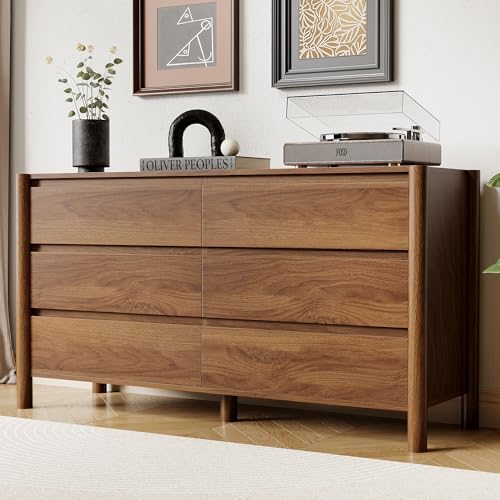
- Mid-century modern: tapered legs, clean lines, and a low profile. This is the most recognizable walnut look and pairs well with both neutral and warm interiors. See the mid-century walnut dresser guide for details.
- Modern and minimalist: flat fronts, integrated pulls, and a monolithic form that lets the grain do the talking. Browse the modern walnut dresser category.
- Traditional and vintage: bracket feet, framed drawer fronts, and antique-style hardware. Vintage walnut pieces are often built from solid stock and can be restored. Explore the vintage walnut chest of drawers options.
- Scandinavian-influenced: lighter walnut tones, slender legs, and restrained detailing that keep a bedroom airy.
Placement and Care Tips
Walnut is a natural material, and a little care goes a long way. Keep the chest out of direct sunlight, which can fade the finish over time, and avoid placing it directly against a radiator or heating vent. Dust with a soft, dry cloth and use a furniture wax or oil once or twice a year to maintain the surface.
For bedroom layouts, a walnut chest works well paired with a matching nightstand. The walnut dresser and nightstand set guide explains how to coordinate pieces without making the room feel heavy. If you are also furnishing a closet, the walk-in closet chest of drawers piece covers storage inside the closet itself.
Frequently Asked Questions
Is walnut a good wood for a chest of drawers?
Yes. Walnut is dense, durable, and resistant to warping, and its rich grain makes it a standout piece in any bedroom. Solid walnut construction is considered a premium material in furniture making.
What is the difference between solid walnut and walnut veneer?
Solid walnut uses full-thickness walnut wood throughout the drawer fronts and frame. Walnut veneer uses a thin layer of real walnut bonded to a stable engineered core. Veneer can look identical and is more resistant to humidity changes, while solid walnut offers a more traditional, repairable construction.
How many drawers should a walnut chest have?
Three to five drawers is the most common range. Choose fewer, deeper drawers for bulky clothing and linens, or more, shallower drawers if you prefer separated storage for smaller items.
How do I care for a walnut chest of drawers?
Dust regularly with a soft cloth, avoid direct sunlight, and keep the piece away from heat sources. Reapply a furniture wax or oil finish once or twice a year to preserve the wood's luster and protect against drying.
Ready to explore? Compare styles, drawer counts, and construction tiers in our curated selection of walnut chests and dressers below.
View Recommended Walnut Chests