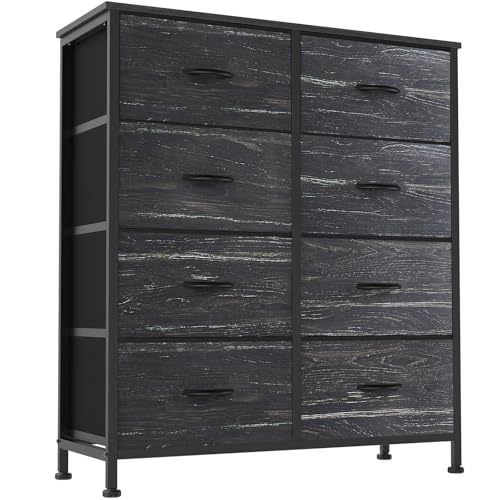
Solid Wood Dressers for Sale: Your Complete Buying Guide
Everything you need to know before choosing a solid wood dresser that will last for decades — from wood species and joinery to drawer mechanics and finish care.
If you are searching for solid wood dressers for sale, you are likely at the stage where you know what you want: a bedroom storage piece built from real wood rather than particleboard or MDF. What you may still need is clarity on which wood, which construction methods, and which features separate a lifetime heirloom from a piece that sags within a few years. This guide covers exactly that.
Solid wood furniture occupies a distinct position in the market. It sits above engineered-wood and veneer categories in terms of durability, repairability, and long-term structural integrity. It is not automatically the right choice for every buyer — solid wood is heavier, more sensitive to humidity swings, and generally positioned in the premium to luxury tiers. But for anyone who wants a dresser that can be refinished, repaired, and passed down, the case for solid wood is compelling.
Below, we walk through the wood species you will encounter, how to evaluate construction quality, drawer hardware considerations, sizing, care requirements, and the questions most buyers ask before committing. By the end, you should be able to evaluate any solid wood dresser listing with confidence.
What "Solid Wood" Actually Means (and What It Doesn't)
The phrase solid wood is used loosely in furniture retail. Strictly speaking, it means the structural components are made from lumber milled from a single tree species, not from glued wood fibers or sawdust. A dresser frame, drawer fronts, and side panels made from solid oak, maple, walnut, or cherry qualifies. A dresser with a solid wood frame but engineered wood drawer boxes is a hybrid — and many listings describe this as "solid wood" without qualification.
Two related terms matter here:
- Solid wood vs. engineered wood: Engineered products such as MDF, particleboard, and plywood are manufactured by bonding wood fibers or layers with adhesive. They are dimensionally stable and consistent, but they cannot be sanded down and refinished repeatedly the way solid lumber can. Our comparison of solid wood vs. engineered wood breaks down the trade-offs in detail.
- Solid wood vs. veneer: Veneer is a thin slice of real wood glued over an engineered core. It looks like wood and can be beautiful, but the structural core is not solid lumber. A veneered dresser cannot be aggressively sanded or repaired if the surface is damaged.
When evaluating a listing for solid wood dressers for sale, look for language that specifies which parts are solid. Reputable sellers will state "solid oak frame and drawer fronts" or "100% solid hardwood construction." Vague phrasing like "wood construction" or "solid wood finish" is a signal to ask questions before purchasing.
Wood Species: Which Solid Wood Should You Choose?
The species of wood affects hardness, grain appearance, color, weight, and how the piece responds to humidity. The table below compares the species most commonly used in solid wood dressers.
| Wood Species | Hardness & Durability | Grain & Appearance | Best For | Tier Positioning |
|---|---|---|---|---|
| Oak (solid oak dresser) | Very hard, dense, excellent wear resistance | Prominent, open grain; honey to golden tones | High-traffic bedrooms, family homes, rustic and traditional styles | Mid-range to premium |
| Walnut | Hard, strong, good dimensional stability | Rich chocolate-brown tones, straight to wavy grain | Modern and mid-century interiors, statement pieces | Premium to luxury |
| Maple | Very hard, fine texture, excellent shock resistance | Closed, subtle grain; pale cream to light brown | Contemporary and Scandinavian styles, painted or natural finishes | Mid-range to premium |
| Cherry | Medium-hard, strong, works well | Fine grain; deepens in color with age and light exposure | Traditional and transitional bedrooms | Premium |
| Pine | Softwood, softer surface, prone to denting | Knotty, rustic grain; warm light tones | Farmhouse, cottage, and children's rooms | Entry-level to mid-range |
| Mahogany | Hard, stable, excellent carving properties | Deep reddish-brown, fine interlocked grain | Formal and traditional bedrooms, antique-inspired designs | Premium to luxury |
Oak is the most common choice for buyers who prioritize durability. Its open grain hides minor scratches reasonably well and takes a wide range of stains. If you want a dresser that will stand up to daily use in a busy household, solid oak dressers for sale are a strong starting point. Walnut is the choice for buyers who want a darker, more refined look — our guide to the solid walnut dresser covers its characteristics in depth.
Maple is often described as the hardest of the common furniture hardwoods and is frequently used in contemporary designs because of its clean, closed grain. Cherry is valued for the way it darkens over time, developing a patina that many buyers find desirable. Pine is the most economical solid wood option but is significantly softer; it dents and scratches more readily, which is why it is common in rustic styles and children's furniture. For a more detailed discussion of pine as a dresser material, see our solid pine dresser article.
Quick Rule of Thumb
If durability and wear resistance are your top priorities, choose oak or maple. If appearance and a darker, richer finish matter more, choose walnut or mahogany. If you want an easy-to-maintain natural look in a lighter tone, choose maple or ash. If the dresser is for a child's room or a relaxed farmhouse setting, pine is a reasonable entry-level choice — accept that it will show wear sooner.
Construction Quality: What Separates Good From Great
The species of wood gets the attention, but construction determines whether a solid wood dresser survives a decade of daily use. Four elements deserve scrutiny.
1. Joinery
Look for dovetail joints in drawer boxes and mortise-and-tenon or doweled joinery in the frame. Dovetails interlock mechanically and resist pulling apart under load; they are the gold standard for drawer construction. Box joints and rabbet joints are acceptable at lower tiers but are less resistant to repeated opening and closing. Staples and screws alone are a warning sign on a piece marketed as heirloom quality.
2. Drawer Box Material
Even on a solid wood dresser, drawer boxes are sometimes made from plywood or MDF. This is not automatically a defect — plywood drawer boxes are dimensionally stable and resist humidity changes well. However, if a listing claims full solid wood construction, the drawer boxes should be solid wood too. Solid wood drawer sides with dovetail joinery are the premium standard.
3. Drawer Glides and Slides
Drawer hardware falls into two broad categories: wood-on-wood (traditional, no mechanical parts) and mechanical slides (metal ball-bearing or roller slides). Wood-on-wood glides are common in traditional and antique-style dressers; they work well when the fit is precise but can bind in humid conditions. Mechanical slides are smoother and often include soft-close mechanisms. If smooth operation matters to you, look for a solid wood dresser with soft-close drawers.
For heavy loads — thick sweaters, denim, bedding — pay attention to slide weight ratings. Heavy-duty stainless steel drawer slides are the most durable option and resist corrosion better than coated steel in humid climates.
4. Back Panels and Dust Boards
A solid wood dresser should have a structurally sound back panel and, ideally, dust boards between drawers. Dust boards prevent dust from settling on clothing in lower drawers and add rigidity to the case. Their presence is a reasonable proxy for overall build quality.
Sizing and Drawer Counts for Solid Wood Dressers
Solid wood dressers are available in a wide range of footprints. Because solid wood is heavier than engineered alternatives, it is worth planning the placement before you buy — moving a solid oak nine-drawer dresser after delivery is not a one-person job.
| Configuration | Typical Dimensions (approx.) | Best For | Example |
|---|---|---|---|
| 3–4 drawer | 30–40 in. wide | Guest rooms, small bedrooms, closets | Solid wood small chest of drawers |
| 6 drawer | 50–64 in. wide | Primary bedrooms, couples | Solid wood 6 drawer dresser |
| 9 drawer | 60–72 in. wide | Large bedrooms, shared storage | Solid wood 9 drawer dresser |
| Tall chest | 36–44 in. wide, 50–60 in. tall | Small footprints, vertical storage | Solid wood tall dresser |
| Extra-large | 72+ in. wide | Master suites, statement pieces | Solid wood extra large dresser |
Two practical considerations specific to solid wood: first, solid wood expands and contracts with humidity, so leave a small gap (roughly 1–2 inches) between the dresser and the wall to allow air circulation. Second, deep drawers are useful for bulky items, but on a solid wood dresser, heavy drawers put more stress on the slides — if you plan to store heavy clothing, prioritize reinforced slides and dovetail boxes. Our article on solid wood dressers with deep drawers covers this trade-off in more detail.
If you are furnishing a complete bedroom, matching sets are worth considering. A solid wood bedroom dresser set ensures consistent finish and hardware across pieces. For a coordinated but smaller footprint, a solid wood dresser and nightstand pairing is a practical option.
Style, Finish, and Hardware
Solid wood dressers span every major design style. The finish and hardware you choose determine how the piece integrates with your room — and how easily it can be updated later.
- Natural and clear finishes let the wood grain show through. They are the most forgiving to touch up and the easiest to refinish. A natural finish on oak or walnut reads as either rustic or modern depending on the hardware and silhouette.
- Painted finishes (including white and black) are popular in farmhouse and transitional interiors. Paint hides minor imperfections but chips more visibly than stain. A solid wood white dresser is a versatile choice that works across many palettes, and a solid wood black chest of drawers makes a strong contrast statement.
- Hardware is the easiest element to change. Brass, bronze, nickel, and matte black pulls each shift the character of the piece. If you are undecided, choose a neutral finish and plan to swap hardware later.
Mid-century modern remains one of the most requested styles in solid wood. A solid wood mid-century dresser typically features tapered legs, clean lines, and a low profile — and walnut is the traditional wood choice for the style.
Caring for a Solid Wood Dresser
Solid wood is repairable, but it benefits from routine care. Keep the following in mind:
- Humidity control: Solid wood responds to changes in relative humidity. Aim for indoor humidity in the 35–55% range. In very dry climates, a room humidifier protects against checking and cracking; in very humid climates, air conditioning or a dehumidifier helps prevent drawer swelling.
- Sunlight: Direct sunlight darkens some woods (notably cherry) and fades others. Rotate decor on top of the dresser and, if possible, keep the piece out of direct afternoon sun.
- Cleaning: Dust with a soft cloth. For deeper cleaning, use a slightly damp cloth and dry immediately. Avoid silicone-based polishes, which can build up and interfere with future refinishing.
- Drawer care: If drawers begin to stick, a small amount of paraffin or beeswax on the glide surfaces usually resolves it. Do not force a swollen drawer — address the humidity first.
- Repair over replacement: The key advantage of solid wood is that scratches can be sanded out, dents can sometimes be steamed out, and the entire piece can be refinished. A solid wood dresser is a long-term investment in a way that engineered furniture is not.
Buying Checklist for Solid Wood Dressers for Sale
Before you commit to a purchase, run through this checklist. It is designed to catch the most common gaps between what a listing claims and what a buyer actually receives.
- Confirm which parts are solid wood. Ask specifically about the frame, drawer fronts, drawer boxes, side panels, and back panel.
- Identify the species. Oak, walnut, maple, cherry, pine, and mahogany have different hardness and care profiles. Make sure the species matches your durability expectations.
- Check the joinery. Dovetail drawer boxes and mortise-and-tenon frames are the premium standard. Staples and screws alone are not.
- Inspect the drawer slides. Wood-on-wood, roller, or ball-bearing? Soft-close? What weight rating?
- Measure your space. Account for door swings, walking clearance, and the 1–2 inch wall gap solid wood needs for air circulation.
- Plan for delivery and assembly. Solid wood dressers are heavy. Check whether assembly is required and whether you will need help moving the piece.
- Review the return policy and warranty. A reputable seller of solid wood furniture will stand behind the construction.
If you are comparing solid wood against other construction types more broadly, our overview of solid wood chests and the solid wood dresser guide are useful companions to this article. For buyers specifically looking at bedroom storage, the solid wood chest of drawers for bedroom page covers room-specific considerations.
Frequently Asked Questions
Is a solid wood dresser worth it compared to engineered wood?
For buyers who plan to keep the piece for many years, yes. Solid wood can be sanded, repaired, and refinished repeatedly, while engineered wood cannot. The trade-offs are higher weight, greater sensitivity to humidity swings, and a higher position in the market. If you expect to move frequently or prefer low-maintenance furniture, engineered wood may be the more practical choice. For a detailed comparison, read our solid wood vs. engineered wood guide.
Which solid wood is best for a dresser?
Oak and maple offer the best combination of hardness and wear resistance for daily use. Walnut and mahogany are excellent choices when appearance and a richer finish are priorities. Pine is the most economical solid wood but is noticeably softer and more prone to denting. There is no single "best" species — the right choice depends on your durability requirements, style preferences, and climate.
How can I tell if a dresser is really solid wood?
Look at exposed surfaces and edges. Solid wood shows end grain at the ends of boards and has grain that continues around edges and corners. Veneered furniture often has a visible seam where the veneer meets the edge, and the grain pattern may repeat unnaturally. Weight is another clue — solid wood is heavy. Most importantly, read the specification carefully and ask the seller directly which components are solid.
Do solid wood dressers need special care?
They benefit from stable indoor humidity (roughly 35–55%), protection from direct sunlight, and routine dusting with a soft cloth. Avoid silicone-based polishes. If drawers stick, address humidity first, then apply a small amount of paraffin or beeswax to the glides. Unlike engineered furniture, solid wood can be refinished if the surface becomes worn.
What size solid wood dresser should I choose?
For a primary bedroom shared by two people, a six-drawer dresser (roughly 50–64 inches wide) is the most common choice. For guest rooms or smaller spaces, a three- or four-drawer model around 30–40 inches wide works well. If floor space is limited but you need substantial storage, a tall chest in the 36–44 inch width range maximizes vertical capacity. Always measure your room and account for clearance before ordering.
Ready to Choose Your Solid Wood Dresser?
Solid wood dressers occupy the premium and luxury tiers of bedroom furniture for good reason: they are built to last, they can be repaired and refinished, and they hold their structural integrity far longer than engineered alternatives. The key is knowing what you are buying — the species, the joinery, the drawer hardware, and the finish.
Use the checklist above when you evaluate listings, and do not hesitate to ask sellers for specifics about construction. A well-made solid wood dresser is a piece you will use every day for decades. Browse our curated selection of solid wood dressers below to compare options across tiers and styles.