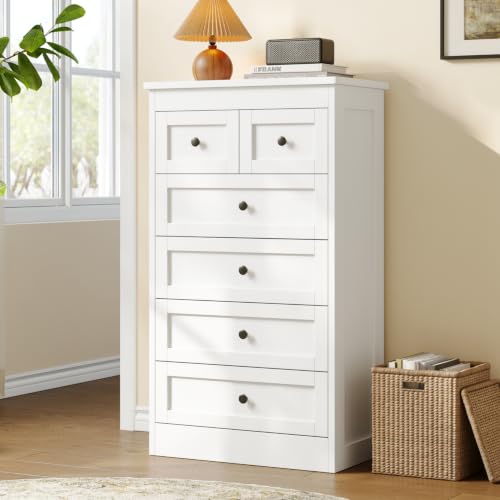
Small White Dresser for Closet: The Complete Space-Saving Storage Guide
Everything you need to know before choosing a compact white dresser that fits your closet, organizes your wardrobe, and keeps your bedroom clutter-free.
Why a small white dresser for closet storage makes sense: Closets are often the most underused storage zones in a home. A compact white dresser tucked inside a walk-in or reach-in closet instantly adds folded-clothing capacity without consuming valuable bedroom floor space. White finishes brighten narrow interiors, while a small footprint keeps hanging rods and shelving accessible. This guide walks you through sizing, materials, drawer configurations, and practical placement so you can choose with confidence.
Why Choose a Small White Dresser for Your Closet?
A closet dresser solves a specific problem: it gives you drawer storage exactly where your clothing already lives. Instead of walking between a bedroom dresser and a closet, everything stays in one zone. Here is why a small white unit is particularly well suited to this role.
- Light-reflecting finish: White surfaces bounce available light around, which makes narrow or windowless closets feel less cramped and easier to navigate.
- Visual calm: A clean white finish reduces visual noise, especially when paired with neutral shelving and hangers.
- Compact footprint: Small dressers are typically 24 to 36 inches wide, allowing them to slot into dead corners, under short hanging sections, or at the end of a closet run.
- Improved organization: Drawers separate folded items, accessories, and delicates from hanging garments, keeping everything visible and reachable.
- Versatile styling: White blends with wood tones, painted shelving, and most closet systems, so it works in both modern and traditional interiors.
If you are still exploring compact storage solutions, our guide to a small dresser for closet covers broader options beyond the white finish. For walk-in configurations, a small dresser that fits in closet layout is worth reviewing before you commit to dimensions.
How to Size a White Dresser for Your Closet
Measurements are the single most important step. A dresser that is even two inches too deep can block a door swing or prevent drawers from opening fully. Use the following framework before shopping.
Measure the closet opening and depth
Standard reach-in closets are typically 24 to 30 inches deep, while walk-in closets offer more flexibility. A closet dresser should leave at least 18 to 24 inches of walking clearance in front of it. For reach-in closets, aim for a depth of 15 to 18 inches so the door and hanging clothes remain usable.
Account for door swing and drawer pull-out
Drawers need room to extend fully. Add the drawer extension distance (usually 12 to 16 inches) to the dresser depth when checking clearance. If the closet door swings inward, confirm the door does not collide with the dresser face.
Respect hanging rod height
A typical hanging rod sits 60 to 66 inches above the floor. A dresser taller than roughly 40 inches may interfere with long garments or reduce usable hanging space. A compact unit in the 28 to 36 inch height range is usually the safest choice.
Quick sizing reference
Width: 24–36 inches | Depth: 15–22 inches | Height: 28–40 inches. Always measure your specific closet, including baseboards and door frames, before ordering.
For a deeper dive into compact configurations, see our guides on a small dresser to put in closet and a space-saving dresser.
Key Features to Look For in a Closet Dresser
Not all small white dressers are built for closet environments. Prioritize the following features to avoid frustration later.
Drawer configuration
Three to five drawers is the sweet spot for closet use. A mix of drawer depths — shallow for accessories, deeper for folded clothing — improves organization. Soft-close slides reduce noise in bedrooms and prevent slamming.
Material and finish quality
Solid wood and high-grade engineered wood with durable laminate or painted finishes hold up best. White finishes should be sealed to resist scuffs and moisture, especially in closets that share a wall with a bathroom.
Hardware and stability
Look for metal drawer slides, reinforced corner joints, and an anti-tip kit. Closet floors are sometimes uneven, so adjustable leveling feet are a practical bonus.
Ventilation and weight
Closets can trap humidity. Choose a dresser with a breathable back panel or leave a small gap behind the unit. Check the weight capacity of shelves if you plan to stack items on top.
| Feature | Why It Matters in a Closet | Recommended Specification |
|---|---|---|
| Drawer slides | Frequent daily use in tight spaces | Metal ball-bearing or soft-close slides |
| Finish | Humidity and scuff resistance | Sealed painted or laminate white finish |
| Depth | Walking clearance and door swing | 15–22 inches depending on closet type |
| Stability | Uneven floors and safety | Anti-tip kit and leveling feet |
| Drawer count | Organization for folded items and accessories | 3–5 drawers with mixed depths |
Quality Tiers: Choosing the Right Level for Your Closet
Small white dressers span several quality tiers. Instead of focusing on numbers, use these universal descriptors to compare models relative to the market.
- Entry-level — Basic engineered wood with laminate finish, simple slides, and a straightforward design. A solid choice for guest closets or temporary setups where the dresser is lightly used.
- Mid-range — Reinforced engineered wood or mixed solid-wood construction, smoother slides, and better finishes. This tier typically offers the best balance of durability and design flexibility for daily closet use.
- Premium — Solid wood construction with dovetail or reinforced joinery, soft-close hardware, and a high-quality painted or lacquered white finish. A worthwhile long-term investment for primary closets.
- Luxury — Hardwood frames, hand-finished surfaces, custom hardware, and precision drawer alignment. Ideal for walk-in closets treated as a design feature.
Entry-level models usually suffice for light use, while premium and luxury tiers shine in high-traffic primary closets where drawers open multiple times a day.
Placement Ideas for a Small White Dresser in a Closet
Where you place the dresser matters as much as the dresser itself. Consider these practical layouts.
At the end of a hanging run
Placing the dresser at the far end of a walk-in closet creates a natural focal point and keeps the center aisle clear. Pair it with a mirror above to double the sense of space.
Under a short-hang section
Short-hang rods for shirts and skirts usually sit around 40 inches high. A dresser up to 36 inches tall fits neatly beneath, adding drawer storage without sacrificing hanging space.
In a dead corner
Corners are often wasted in closets. A narrow white dresser (24 to 30 inches wide) can turn a dead corner into functional storage for folded clothing and accessories.
Alongside shelving
Pair the dresser with open shelving or baskets above. White finishes create a clean visual line that keeps the closet feeling organized even when fully stocked.
For walk-in ideas, our guide to a small dresser for closet includes layout sketches. If your closet doubles as a bedroom entry, consider a small dresser for small bedroom arrangement that serves both zones.
Why White Works: Finish and Maintenance Tips
White is the most popular finish for closet dressers for good reason: it is bright, versatile, and easy to match with shelving and hangers. To keep it looking sharp:
- Dust weekly with a microfiber cloth to prevent buildup in drawer seams.
- Wipe spills immediately with a damp cloth and mild soap to avoid staining.
- Avoid abrasive cleaners that can dull the finish or leave streaks.
- Use felt pads under decorative items placed on top to prevent scratches.
- Keep the closet ventilated to reduce humidity that can affect painted surfaces.
If you are comparing finishes, our overview of a small white dresser and a small white dresser with drawers covers design variations in more detail.
Common Mistakes to Avoid
- Skipping the measurement step. Always measure the closet opening, depth, and door swing before ordering.
- Choosing a dresser that is too deep. Deep drawers are tempting, but they can block walking clearance in narrow closets.
- Ignoring drawer extension. Confirm that drawers can open fully without hitting walls, doors, or hanging garments.
- Overlooking ventilation. Closets trap humidity; choose finishes and materials that resist moisture.
- Forgetting the anti-tip kit. Tall, narrow dressers should always be anchored to the wall for safety.
- Buying without checking hardware quality. Cheap slides fail quickly in daily-use closets.
If you are also considering a bedside solution, our guide to a small chest of drawers bedside pairs well with a closet dresser for a complete storage plan.
Frequently Asked Questions
What size small white dresser fits in a standard closet?
Most standard closets have 24 to 30 inches of depth, so a closet dresser should be no deeper than 18 to 22 inches to allow clearance. Width typically ranges from 24 to 36 inches, and height from 28 to 40 inches. Always measure your closet opening, door swing, and hanging rod clearance before choosing a model.
Is a white dresser a good choice for a closet?
White finishes are excellent for closets because they reflect light, making narrow or windowless spaces feel brighter and larger. A white dresser also blends with most interior color schemes and shows a clean, organized look. Look for a durable painted or laminate finish that resists scuffs and moisture.
How many drawers should a closet dresser have?
For closet use, three to five drawers is usually ideal. A three-drawer configuration works well for folded clothing and accessories, while four to five drawers provide separation for socks, undergarments, and seasonal items. More drawers generally mean more organization but also a taller unit that may conflict with hanging rods.
Can I place a small white dresser inside a walk-in closet?
Yes. Walk-in closets are the ideal setting for a small white dresser for closet storage. Place it against a short wall or at the end of a run of hanging clothes, leaving at least 24 inches of walking clearance. Make sure the closet has adequate ventilation and that the dresser is not blocking access to outlets or lighting.
What materials are best for a closet dresser?
Solid wood and high-grade engineered wood with a durable laminate or painted finish are the most reliable choices. Solid wood offers long-term durability and can be refinished, while engineered wood with reinforced joinery is a solid mid-range option. Avoid particle board with thin veneers in humid closets.
Ready to Organize Your Closet?
Browse recommended small white dressers and closet storage solutions below. Compare features, drawer configurations, and finishes to find the unit that fits your space.