Replacement Kitchen Drawers: Complete Buying & Upgrade Guide
Worn-out runners, cracked boxes, or an outdated look — replacing your kitchen drawers is one of the highest-impact upgrades you can make. This guide covers sizes, materials, front styles, hardware, and installation so you can buy with confidence.
START EXPLORINGWhy replacement drawers matter: Kitchen drawers endure daily wear — they slide, slam, and carry heavy loads for years. When they begin to stick, sag, or look dated, a full cabinet renovation is rarely necessary. A targeted replacement of drawer boxes, fronts, or runners restores smooth function and a fresh appearance while preserving the rest of your kitchen layout.
What Does "Replacement Kitchen Drawers" Actually Mean?
The phrase covers several distinct projects, and understanding which one you need is the first step toward a successful upgrade. Replacement kitchen drawers can refer to swapping the visible front panels, installing new drawer boxes inside the existing cabinet, upgrading the runner system, or replacing the complete drawer assembly from front to back.
Each path serves a different problem. If the boxes are solid but the faces are scratched or the style feels dated, front replacement is the smart route. If the boxes are warped or the runners are failing, a full box replacement restores reliable function. Many homeowners combine both for a complete refresh. You can explore the full range of replacement kitchen drawer fronts to see how different face styles transform a kitchen, or review replacement kitchen doors and drawers if your cabinet doors also need attention.
Key Areas to Understand Before You Buy
Drawer Boxes
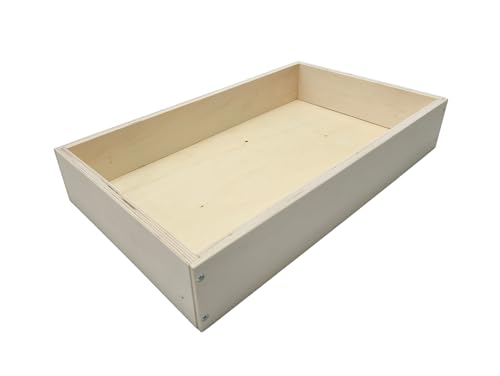
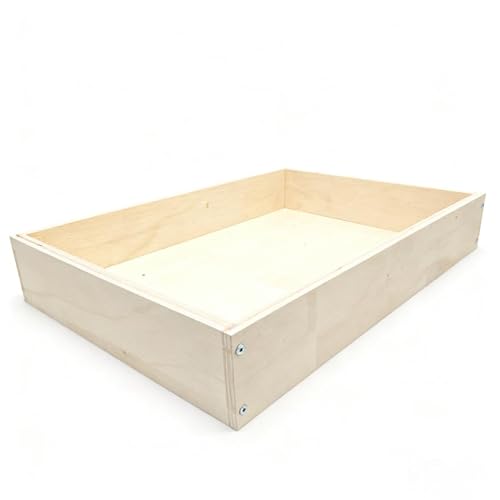
The functional container. Materials range from entry-level particleboard to premium solid wood and high-grade metal. Box construction — dovetail, stapled, or welded — determines durability and load capacity.
Drawer Fronts
The visible face. Available in slab, shaker, raised-panel, and flat-slab profiles. Fronts set the style of your kitchen and can be replaced independently of the box.
Runner Systems
The sliding mechanism. Options include side-mount, undermount, soft-close, and heavy-duty full-extension runners. Runner quality has the biggest effect on daily feel.
Measuring & Sizing
Measure the cabinet opening, not the old front. Note width, height, depth, and runner mounting type. Accurate measurements prevent fit issues and returns.
Hardware & Pulls
Knobs, bar pulls, cup pulls, and edge pulls. Hardware placement and finish tie the look together and affect ergonomics. Choose a consistent style across the kitchen.
Installation
Many replacements are DIY-friendly with basic tools. Full box and runner swaps may benefit from professional alignment to keep gaps even and glides smooth.
Drawer Fronts vs. Drawer Boxes: Which Do You Need?
One of the most common points of confusion is the difference between the front and the box. The front is the decorative panel you see and touch; the box is the tray that holds your utensils and rides on the runners. They wear differently and are replaced for different reasons.
| Component | What It Is | Replace When | Best For |
|---|---|---|---|
| Drawer Front | Visible face panel | Cracked, scratched, outdated style | Cosmetic refresh, style update |
| Drawer Box | Functional container | Warped, sagging, broken joints | Restoring load capacity and function |
| Runner System | Sliding mechanism | Sticking, noisy, not closing flush | Smooth, quiet daily operation |
| Complete Drawer | Front + box + runners | Multiple failures or full remodel | Total upgrade with minimal guesswork |
If you are updating both doors and drawer faces for a coordinated look, the replacement kitchen cabinet doors and drawers guide explains how to match profiles and finishes across the whole run. For a focused drawer-front project, the replacement kitchen cupboard doors and drawer fronts overview covers matching fronts to existing cupboard doors.
Materials and Construction Tiers
Replacement drawers are commonly grouped into three broad market tiers. Rather than focusing on numbers, use these descriptors to compare quality consistently across brands and retailers.
| Tier | Typical Construction | Runner Quality | Best For |
|---|---|---|---|
| Entry-level | Particleboard or thin MDF boxes, stapled joints | Basic side-mount, limited extension | Rental refreshes, light-use drawers |
| Mid-range | Thicker MDF or engineered wood, reinforced joints | Undermount or soft-close, full extension | Family kitchens, daily heavy use |
| Premium | Solid wood dovetail boxes, metal-sided systems | Soft-close undermount, high load rating | Long-term investment, custom kitchens |
Mid-range models usually offer smoother runner mechanisms and tighter tolerances than entry-level options, while premium and flagship tiers add solid-wood joinery and commercial-grade hardware. For most households, the mid-range tier provides the best balance of durability and smooth operation. If your current kitchen uses shaker-style faces, the shaker cabinets with slab drawers reference is useful for matching a clean slab drawer front to a shaker door profile.
How to Measure for Replacement Kitchen Drawers
Accurate measurement is the single most important step. Measure the cabinet opening rather than the old front, because front panels can overlap the frame differently depending on the mounting style. Record every dimension before ordering.
- Opening width: measure the clear width inside the cabinet frame at the drawer position.
- Opening height: measure the clear height of the drawer opening.
- Box depth: measure the internal depth available behind the opening.
- Runner type: note whether runners are side-mount, undermount, or integrated metal-sided.
- Mounting position: record where the runners attach to the cabinet sides.
- Overlay style: note whether fronts are full-overlay, partial-overlay, or inset.
If your drawers are in a bathroom rather than a kitchen, the measurement principles are similar but the environment demands moisture-resistant materials. See the replacement drawers for bathroom vanity guide for humidity-specific recommendations. Likewise, replacement vanity doors and drawer fronts and replacing bathroom cabinet doors and drawers cover the vanity side of the equation in more detail.
Runner Systems and Hardware Upgrades
Runner quality shapes the daily experience more than any other component. A well-chosen runner system glides smoothly, closes flush, and carries weight without sagging. Soft-close undermount runners are the most popular upgrade because they reduce noise and protect the drawer structure from slam damage.
For heavy cookware or deep pan drawers, look for heavy-duty full-extension runners rated for high load capacity. If you are upgrading an older cabinet with side-mount runners, confirm that the cabinet sides are sound and that the mounting holes align with the new system. In many cases, switching runner types requires minor drilling, so plan for that step.
Pro tip: Replace runners in pairs or full sets. Mixing old and new runners in the same bank of drawers often leads to uneven feel and inconsistent closing.
Hardware finishes should coordinate with the rest of the kitchen. Bar pulls suit modern and transitional kitchens, cup pulls lean farmhouse, and edge pulls work well in minimalist designs. Consistency across drawers and doors makes the upgrade look intentional.
Choosing a Drawer Front Style
Drawer fronts carry most of the visual weight in a kitchen. The right profile depends on your cabinet doors, your kitchen's architecture, and the look you want to achieve. Three profiles dominate the replacement market.
Slab fronts are flat panels with clean lines. They suit modern, minimalist, and Scandinavian kitchens and are the easiest to keep clean. Shaker fronts feature a recessed center panel framed by rails and stiles, a versatile look that fits farmhouse, transitional, and traditional homes. Raised-panel fronts add depth and formality and pair well with ornate cabinet doors.
Whatever profile you choose, match the finish and sheen to your existing doors. If you are replacing fronts only, order samples to compare against your cabinets in your kitchen's actual lighting before committing.
Installation: DIY or Professional?
Replacing drawer fronts is one of the most DIY-friendly kitchen projects. Most fronts attach with two screws accessed from inside the box, and swapping them takes only a screwdriver and a few minutes per drawer. Replacing full boxes with new runners is more involved but still achievable for confident DIYers with a drill and a level.
Professional installation is worth considering when you are changing runner types, working with inset fronts that demand precise alignment, or replacing an entire bank of drawers in a high-use kitchen. Uneven gaps and misaligned fronts are the most common DIY pitfalls, and a professional can square everything up quickly.
- Empty each drawer and remove it from the runners before starting.
- Keep screws and old hardware organized by drawer so nothing gets mixed up.
- Test one drawer fully before repeating the process across the kitchen.
- Check that all drawers close flush and that gaps are even before final tightening.
Who Should Consider Replacement Kitchen Drawers?
Replacement drawers are a strong fit for several situations. If your kitchen is structurally sound but the drawers stick, sag, or look dated, a targeted replacement avoids the disruption of a full remodel. If you are preparing a home for sale, fresh drawer fronts and smooth runners deliver a noticeable visual improvement with a manageable scope.
Renters and landlords also benefit: replacement fronts and boxes can modernize a kitchen without touching the cabinet carcasses. And if you are updating only part of the kitchen, matching replacement drawers to existing doors keeps the design coherent. For broader projects that include cupboard doors, the replacement kitchen doors and drawers guide provides a useful planning framework.
Frequently Asked Questions
Can I replace just the drawer fronts instead of the whole drawer?
Yes. If your drawer boxes and runners are still solid, replacing only the fronts is a practical and popular upgrade. This lets you refresh the look of your kitchen without dismantling the entire cabinet structure.
How do I measure for replacement kitchen drawers?
Measure the cabinet opening width and height, then measure the existing drawer box depth. Note the runner type and mounting position. Always measure the opening, not the old front, since fronts can overlap the cabinet frame differently.
What is the difference between drawer fronts and drawer boxes?
The drawer front is the visible face panel, while the drawer box is the functional container that holds your items and rides on the runners. You can replace either independently, depending on what is worn or outdated.
Are soft-close drawer runners worth upgrading to?
Soft-close runners are a worthwhile upgrade for daily comfort and longevity. They reduce slam noise, protect the drawer structure, and are available in mid-range and premium tiers for most standard cabinet configurations.
Can I install replacement kitchen drawers myself?
Many replacement drawer boxes and fronts are designed for straightforward DIY installation with basic tools. However, if you are replacing full boxes with new runner systems, professional installation is recommended to ensure alignment and smooth operation.
Final Thoughts
Replacement kitchen drawers are a focused, high-impact upgrade that restores both function and appearance without the disruption of a full cabinet renovation. Start by identifying which component needs attention — fronts, boxes, or runners — then measure carefully and choose materials and hardware that match your kitchen's style and your household's daily demands. With the right approach, your kitchen can feel smoother, quieter, and more polished in a single weekend of work.