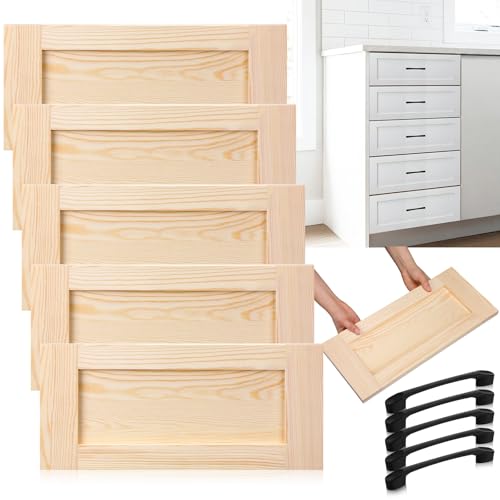
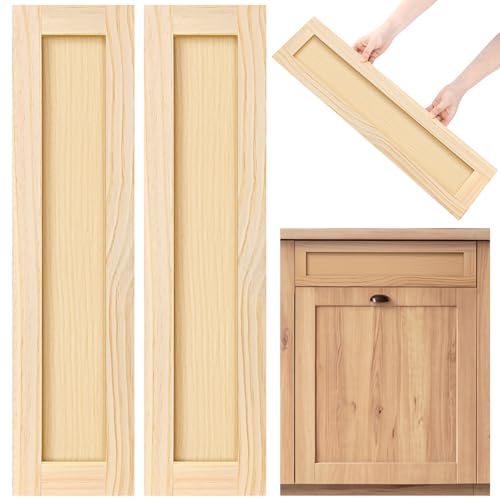
Replacement Vanity Doors and Drawer Fronts
Transform your bathroom vanity without a full remodel. Learn how to choose, measure, and install new doors and drawer fronts for a fresh, functional upgrade.
Start Your UpgradeWhy replace just the fronts? If your vanity cabinet box is structurally sound, replacing only the doors and drawer fronts is one of the most efficient ways to modernize a bathroom. You keep the layout and plumbing intact while upgrading style, hardware, and finish. This guide walks you through every decision, from material choice to final installation.
Why Replace Vanity Doors and Drawer Fronts
Bathroom vanities endure daily moisture, temperature swings, and heavy use. Over time, doors can warp, drawer fronts may delaminate, and finishes fade or peel. A full vanity replacement is disruptive and requires plumbing work, but replacing only the doors and drawer fronts offers a targeted solution. You preserve the existing cabinet structure while gaining a completely refreshed appearance.
This approach is also practical for homeowners who want to change the style direction of a bathroom without committing to a full renovation. Perhaps the cabinet layout works well but the raised-panel oak doors feel dated. New flat-slab or shaker-style fronts can shift the entire room toward a modern or transitional look. For those considering broader kitchen projects, the same principles apply to replacement kitchen cabinet doors and drawers, and the measurement and material guidance overlaps significantly.
Another advantage is timing. Replacement fronts can often be ordered and installed in a fraction of the time required for a full vanity replacement. This makes the project accessible for DIY-focused homeowners and for those who want a quick refresh before a home sale or rental turnover. If your goal is to modernize a bathroom on a focused scope, starting with the fronts is a logical first step.
Door and Drawer Front Types
Understanding the construction style of your vanity is essential before ordering replacements. The two primary categories are overlay and inset, and each has distinct measurement and installation implications.
Full Overlay Doors
Full overlay doors cover nearly the entire cabinet frame, leaving only a narrow gap between adjacent doors. This style offers a clean, modern look and maximizes accessible interior space. Measuring is straightforward: record the full width and height of each existing door.
Partial Overlay Doors
Partial overlay doors leave a visible portion of the cabinet frame exposed, creating a more traditional appearance. When replacing partial overlay fronts, confirm the reveal dimensions so the new doors match the existing frame exposure consistently.
Inset Doors
Inset doors sit flush within the cabinet frame, requiring precise measurement of the opening rather than the door itself. This style demands tighter tolerances and is typically found in premium and custom vanities. Replacement inset fronts should be ordered with exact opening dimensions.
Slab Drawer Fronts
Flat, unadorned drawer fronts that suit modern and minimalist bathrooms. They are simple to measure and install, and they pair well with a wide range of hardware styles. Slab fronts are often the most straightforward replacement option.
Shaker Drawer Fronts
A recessed center panel framed by a raised border. Shaker fronts are versatile and work in both traditional and transitional bathrooms. They are widely available from mid-range and premium suppliers.
Raised-Panel Fronts
A traditional profile with a raised center panel. These fronts suit classic and formal bathroom designs. Replacement raised-panel doors are available from specialty suppliers and custom shops.
If your broader goal includes coordinating kitchen storage, similar door-style decisions apply to replacement kitchen doors and drawers. The visual language of your home benefits when door profiles are consistent across adjacent spaces.
Material Options Compared
Bathroom environments are humid, so material choice matters more than in dry rooms. The table below compares common options using tier descriptors rather than numerical figures, so the guidance remains useful over time.
| Material | Tier | Best For | Moisture Resistance | Finish Options |
|---|---|---|---|---|
| Solid Wood | Premium to luxury | Long-term investment, custom profiles | High (with proper sealing) | Paint, stain, clear coat |
| Plywood with Veneer | Mid-range to premium | Balanced durability and appearance | High | Paint, stain, veneer match |
| High-Grade MDF | Entry-level to mid-range | Smooth painted finishes, stable panels | Moderate (requires sealing) | Paint only |
| Thermofoil over MDF | Entry-level | Uniform color, easy cleaning | Moderate | Factory-applied color |
| Particleboard | Not recommended | Dry environments only | Low | Limited |
For bathroom vanities, solid wood and plywood-based fronts offer the most reliable long-term performance. Mid-range and premium suppliers often use these materials with reinforced construction. Entry-level MDF fronts can work well in half-bathrooms or powder rooms where moisture exposure is lower, provided the edges are properly sealed. The same material hierarchy applies when selecting replacement kitchen drawer fronts for humid kitchen environments.
How to Measure Correctly
Accurate measurement is the single most important factor in a successful replacement. Errors here can mean doors that do not align, gaps that are inconsistent, or hardware that does not fit. Follow a disciplined process.
- Remove the existing doors and drawer fronts before measuring, and label each one with its location.
- Use a metal tape measure and record width first, then height, to the nearest millimeter.
- For overlay doors, measure the full width and height of the door panel itself.
- For inset doors, measure the cabinet opening precisely, including any required clearance.
- Measure each door and drawer front individually, even if they appear identical. Small variations are common.
- Note the hinge type and mounting pattern, and photograph the hinge area before removal.
- Confirm the door thickness required by your hinge system.
- Check for any obstructions, such as adjacent walls or trim, that affect opening clearance.
If your vanity has unusual dimensions or the cabinet frame shows signs of damage, address those issues before ordering new fronts. A professional-grade supplier can often advise on custom sizing. For related projects, the measurement approach for replacement kitchen drawers follows the same disciplined logic.
Hardware and Hinge Compatibility
Hardware is where many replacement projects succeed or stumble. Hinges must match the door thickness, overlay style, and mounting pattern. Knobs and pulls must align with the new door's drilling or be drilled on-site by a professional.
Hinge Types
European concealed hinges are common in modern vanities, while traditional exposed hinges appear in classic designs. Confirm the hinge cup diameter and mounting pattern before ordering doors with pre-drilled holes.
Pull and Knob Placement
Decide on hardware placement before drilling. Drawer fronts typically use centered pulls or two evenly spaced pulls on wide drawers. Doors may use knobs, edge pulls, or bar pulls depending on style.
Finish Coordination
Match hardware finish to other bathroom fixtures such as faucets and towel bars. Popular finishes include matte black, brushed nickel, satin brass, and chrome. Order hardware early to avoid installation delays.
If you are updating multiple storage areas, consider how hardware choices carry across rooms. The same finish logic applies to replacement kitchen cupboard doors and drawer fronts, where visual consistency reinforces a cohesive home design.
Installation Overview
Installation complexity depends on the door type, hinge system, and whether hardware holes are pre-drilled. Overlay doors with European hinges are generally the most approachable for confident DIY homeowners. Inset doors require more precision and are often best handled by a professional.
- Remove old doors and drawer fronts, and clean the cabinet frame thoroughly.
- Inspect hinges and mounting plates, and replace any worn components before installing new fronts.
- Attach hinges to the new doors according to the supplier's template or pre-drilled pattern.
- Mount the first door and check alignment before proceeding with the rest.
- Adjust hinges in small increments until gaps are even and the door closes smoothly.
- Install drawer fronts, checking horizontal and vertical alignment against adjacent fronts.
- Attach knobs and pulls, using a template to maintain consistent placement.
- Test all doors and drawers for smooth operation, and make final adjustments.
For powder rooms and smaller vanities, a related approach applies when replacing replacement drawers for bathroom vanity components. The installation sequence is similar, and patience during alignment yields the most professional result.
Ready to Refresh Your Vanity?
Explore recommended vanity doors and drawer fronts below. Compare features, styles, and material options to find the right upgrade for your bathroom.
View RecommendationsPre-Purchase Checklist
Before placing an order, run through this checklist to avoid common mistakes and ensure a smooth project.
- Confirm the cabinet box and frame are structurally sound and free of water damage.
- Identify the door style: overlay, partial overlay, or inset.
- Measure every door and drawer front individually and record dimensions.
- Photograph hinges and hardware mounting patterns before removal.
- Select a material appropriate for bathroom humidity.
- Choose a finish that matches the bathroom's design direction.
- Order hardware and hinges at the same time as the fronts.
- Confirm the supplier's lead time and return policy.
- Plan for a professional installer if the project involves inset doors or complex hinge systems.
Frequently Asked Questions
Yes, replacing only the doors and drawer fronts is one of the most efficient ways to refresh a bathroom vanity. As long as the cabinet box and frame are structurally sound, new fronts can transform the look of the entire vanity without a full remodel.
Measure the existing doors and drawer fronts individually, recording width and height to the nearest millimeter. For overlay doors, measure the full door size. For inset doors, measure the opening precisely. Always confirm whether your vanity uses overlay or inset construction before ordering.
Solid wood, plywood with veneer, and high-grade MDF are the most common choices. Solid wood and plywood offer the best moisture resistance and durability, while MDF provides a smooth, stable surface for painted finishes. Avoid particleboard in humid bathroom environments.
Most replacement door suppliers offer hardware and hinges as separate options. Some premium and professional-grade suppliers include pre-drilled holes for standard hinge patterns, but knobs, pulls, and hinges are typically ordered separately so you can match your preferred style and finish.