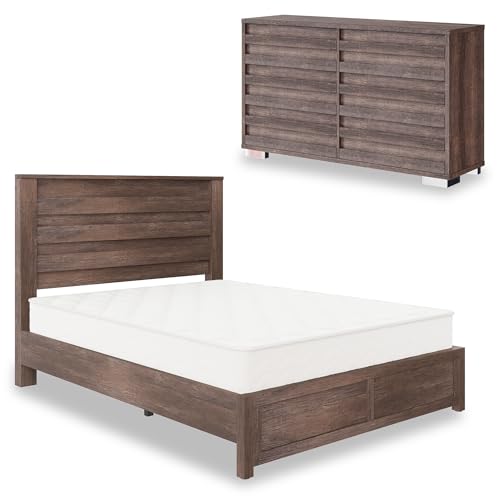
Queen Bed Frame With Matching Dresser: The Complete Buying Guide
Everything you need to know before choosing a coordinated queen bed and dresser set — sizing, materials, storage layouts, and expert selection tips for a cohesive bedroom.
Explore the GuideWhy this guide matters: A queen bed frame with a matching dresser is one of the most practical bedroom investments you can make. It creates visual harmony, saves you from piece-by-piece shopping, and delivers a storage solution sized for the most popular mattress format in modern homes. This guide walks you through every decision point so you can choose with confidence.
Why Choose a Queen Bed Frame With a Matching Dresser?
A coordinated set solves two problems at once: the need for a supportive sleeping foundation and the need for organized clothing storage. Instead of balancing mismatched finishes and clashing proportions, a matching set arrives with a shared design language — consistent wood grain, aligned hardware, and proportions that visually belong together.
Beyond aesthetics, coordinated sets usually share the same construction standard. If the bed frame uses reinforced joinery and a durable finish, the matching dresser generally follows the same build philosophy. That consistency matters when you are planning a long-term bedroom setup rather than a short-term arrangement.
For visitors researching this topic, the decision usually comes down to three practical questions: how much floor space is available, which storage layout suits daily habits, and which material tier fits the intended lifespan of the furniture. Each of these is covered in detail below.
Queen Bed Frame Fundamentals
A queen mattress measures 60 by 80 inches, making it the most widely used adult bed size. The frame you select around it determines how much floor space remains for the dresser and walking clearance. Understanding frame types before shopping for a set will save considerable time.
Common Queen Bed Frame Types
- Standard platform frame: A slatted or solid base that supports the mattress without a box spring. Low-profile and space-efficient.
- Panel and headboard frame: Features a decorative headboard that anchors the room visually. Often matched with dresser sets in the same finish.
- Storage bed frame: Includes under-bed drawers or lift-up compartments. Excellent for rooms where a separate queen bed with built-in dresser storage is preferred.
- Canopy and four-poster frame: Statement pieces that require more vertical and floor clearance. Best in larger bedrooms.
- Sleigh and upholstered frame: Softer visual weight, often paired with dressers in complementary tones rather than identical finishes.
If your priority is maximizing storage without adding furniture footprint, an under-bed dresser configuration is worth considering alongside a traditional dresser.
Matching Dresser Sizing for a Queen Bedroom
Proportion is the single most overlooked factor when buyers pair a queen bed with a dresser. A dresser that is too wide overwhelms the room; one that is too small looks incidental. The table below offers a practical starting point based on typical room dimensions.
| Room Size | Recommended Dresser Width | Best For |
|---|---|---|
| Small (under 120 sq ft) | 40–50 inches | Compact footprint, vertical storage |
| Medium (120–160 sq ft) | 55–64 inches | Balanced proportions, 6-drawer layouts |
| Large (over 160 sq ft) | 66–72 inches | Wide dressers, double-bank drawer designs |
| Walk-in closet pairing | 36–48 inches | Closet-adjacent storage, low-profile chests |
As a rule of thumb, leave at least 24 inches of clearance between the bed and the dresser front so drawers can open fully. In tighter rooms, a tall, narrow chest preserves walking space while still delivering useful capacity. Explore more layout options in our queen bedroom set configurations guide.
Materials and Construction Tiers
Matching sets are available across a wide spectrum of construction quality. Rather than focusing on numbers, it helps to understand which tier of build you are selecting and what that tier typically delivers in daily use.
Essential Tier Starter Construction
Engineered wood panels with laminated finishes. Suitable for guest rooms, first apartments, or temporary setups. Lightweight and easy to assemble, but drawer glides are typically basic and the finish is more vulnerable to moisture over time.
Mid-Tier Balanced Construction
A blend of solid wood framing with engineered panels and reinforced drawer boxes. This is the most common category for coordinated bedroom sets and offers the best balance of durability, finish quality, and assembly convenience for everyday use.
Premium High-End Tier
Solid wood construction with dovetail or reinforced joinery, smooth metal glides, and multi-step finishes. These sets are built for long-term use and often feature consistent grain matching between the bed frame and dresser fronts.
Luxury Flagship Construction
Hand-finished solid hardwood, precision hardware, and heirloom-grade joinery. Considered a long-term investment category, typically produced by specialist furniture makers with tightly controlled material sourcing.
For a deeper comparison across wood species and finish options, see our guide to real wood dressers and the broader oak dresser collection, which are among the most durable choices for matching sets.
Storage Layout: Drawer Counts and Configuration
The dresser half of a matching set should reflect how you actually fold and store clothing. A common mistake is choosing drawer count by appearance rather than by content.
- 4–5 drawers: Works well for single users or couples sharing a closet. Often paired with a queen bed in medium rooms.
- 6 drawers: The most versatile layout, typically split into two columns for separate folded and smaller items. A strong match for most queen bedrooms.
- 7–9 drawers: Best for households without a large closet, or for bedrooms shared by two people.
- Combination layouts: Dressers with a mix of deep and shallow drawers accommodate both bulky knitwear and accessories.
If you prefer a taller silhouette, a tall dresser frees floor space for the bed while maintaining generous capacity. Wide, low options are covered in our wide dresser guide.
Style Coordination: Making the Set Feel Intentional
A matching set does not need to look identical in every detail. The goal is visual cohesion, not uniformity. Consider these coordination approaches:
Same Finish, Consistent Hardware
The simplest path to a cohesive bedroom. Choose the bed frame and dresser in the same wood species and finish, with matching knobs or pulls. This approach works especially well in traditional and transitional interiors.
Complementary Tones
Pair a warm wood bed frame with a slightly lighter dresser in the same family, such as oak and natural pine. The result reads as deliberate rather than accidental. Our pine dresser options pair naturally with lighter wood frames.
Painted and Natural Combinations
A white or painted bed frame paired with a natural wood dresser is a popular approach for farmhouse and coastal bedrooms. Browse white dressers and painted dresser styles for pairing inspiration.
Statement Finishes
For bolder rooms, a colored dresser can anchor the scheme while the bed frame stays neutral. Options like a gray dresser or black dresser create contrast without breaking cohesion.
Step-by-Step Buying Checklist
- Measure the room and mark the bed and dresser footprint on the floor before ordering.
- Confirm walking clearance of at least 24 inches in front of dresser drawers.
- Decide whether under-bed storage reduces your dresser size requirement.
- Verify the dresser width sits proportionally with the queen bed width (60 inches).
- Check the drawer glide type and whether drawers extend fully.
- Confirm the finish is consistent between the bed frame and dresser in person or via detailed product images.
- Review assembly requirements and whether tools are included.
- Check safety features such as anti-tip hardware for taller dressers.
- Plan delivery access — measure doorways and stairwells before ordering.
- Compare at least two construction tiers before committing to a set.
Common Mistakes to Avoid
Buying the dresser before measuring the room. The bed frame is fixed in size at 60 by 80 inches for the mattress, but the dresser is flexible. Measure first, then choose.
Ignoring drawer depth. Shallow drawers look tidy but hold less than expected. Deep drawers suit bulky items but can become disorganized without dividers.
Assuming all matching sets share quality. Two sets can look identical in photos yet differ significantly in drawer box construction and finish durability. Compare construction details, not just appearance.
Overlooking anti-tip safety. Tall dressers should always be anchored to the wall, particularly in homes with children. This is a standard safety practice, not an optional extra.
Frequently Asked Questions
What size dresser matches a queen bed?
A dresser between 55 and 70 inches wide typically pairs well with a queen bed. In smaller rooms, a 40–50 inch dresser or a tall narrow chest preserves walking space while still providing useful storage capacity.
Should a matching dresser use the same wood as the bed frame?
Matching the same wood species and finish creates the most cohesive look. However, coordinating tones within a similar wood family — such as oak with natural pine — also works well for a relaxed, layered bedroom style.
Is a queen bed frame with matching dresser suitable for small bedrooms?
Yes, when you choose a compact dresser and a low-profile bed frame. Careful measurement and consideration of storage beds help maximize floor space without sacrificing a coordinated look. Our guide to queen bed frame and dresser sets covers compact configurations in more detail.
What materials are best for a queen bed frame and dresser set?
Solid wood and high-grade engineered wood with reinforced joinery offer the most durable construction for long-term daily use. Mid-tier and premium sets typically combine these materials for a balance of stability and finish quality.
How much clearance should I leave around the bed and dresser?
Leave at least 24 inches in front of dresser drawers so they can open fully, and aim for 18–24 inches of walking space on the sides of the bed. In tighter rooms, prioritize the drawer clearance first.
Related Bedroom Set Guides
Final Thoughts
A queen bed frame with a matching dresser is more than a convenience purchase — it is a coordinated storage and sleep foundation that shapes how your bedroom functions every day. Focus on room measurements first, choose a construction tier that matches your intended lifespan, and confirm that the drawer layout reflects how you actually store clothing.
Once those fundamentals are settled, style coordination becomes straightforward. Whether you prefer the warmth of natural wood, the crispness of a painted finish, or a mixed-material approach, the right set will feel intentional, durable, and easy to live with for years.