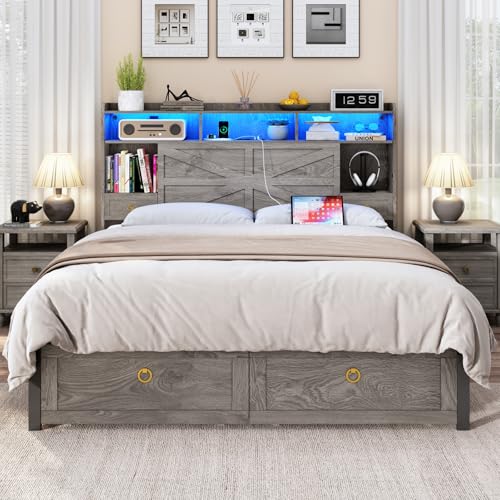
Queen Bed with Built-In Dresser: The Complete Buying Guide
Discover how an integrated storage bed can transform your bedroom into a clutter-free, highly functional space. Learn about drawer configurations, materials, sizing, and expert selection tips before you commit.
Why choose a queen bed with a built-in dresser? For anyone short on floor space, this hybrid furniture piece merges sleeping comfort with generous clothing and linen storage. Instead of dedicating separate floor area to a traditional dresser, you reclaim valuable square footage while keeping everything within arm's reach. This guide walks you through every decision point — from drawer layout and material quality to safety certifications and long-term durability — so you can choose with confidence.
What Is a Queen Bed with Built-In Dresser?
A queen bed with a built-in dresser is a specialized storage bed design where drawers or a dresser unit are integrated directly into the bed frame. The storage typically appears in one of three configurations: drawers built into the under-bed platform, a dresser incorporated into the footboard, or a combination of both. The queen size (60 inches wide by 80 inches long) provides a generous canvas for drawer placement, allowing manufacturers to include meaningful storage volume without compromising sleeping surface.
These beds are particularly valuable in apartments, guest rooms, and smaller primary bedrooms where every square foot counts. Rather than purchasing a separate dresser and bed frame, you invest in a single cohesive piece that handles both functions. Many models also pair well with a queen bed and dresser set if you prefer matching furniture throughout the room.
Common Design Variations
- Under-bed drawer platform: Drawers slide out from beneath the mattress support, typically accessed from the sides or foot of the bed.
- Footboard dresser: A chest of drawers built into the footboard, offering vertical storage with a smaller footprint.
- Combination storage bed: Drawers on both sides plus a footboard unit for maximum capacity.
- Bookcase headboard with dresser base: Some designs incorporate shelving in the headboard while drawers occupy the base.
Why Choose an Integrated Storage Bed?
The decision to combine your bed and dresser into one piece is largely driven by space efficiency, but there are additional benefits worth considering. Here is a balanced look at what these beds offer:
Advantages
- Reclaims floor space by eliminating a separate dresser footprint
- Keeps clothing and linens within easy reach of the bed
- Creates a cohesive, streamlined bedroom aesthetic
- Reduces the number of furniture pieces to move or clean around
- Often includes anti-tip and safety features for family use
- Ideal for guest rooms where dual-purpose furniture is practical
Considerations
- Heavier and more difficult to relocate than separate pieces
- Drawer access may be limited by bedside tables or walls
- Repair or replacement is more involved than with a standalone dresser
- Design flexibility is reduced once the bed is purchased
- Under-bed drawers can collect dust if not sealed properly
For buyers who prioritize space efficiency and a clean visual line, the advantages usually outweigh the trade-offs. If you frequently rearrange furniture or anticipate moving soon, a queen bed frame with dresser set may offer a more modular alternative.
Drawer Configurations: What to Expect
Storage capacity is the single most important differentiator among queen beds with built-in dressers. Configurations range from a modest two-drawer setup to elaborate eight-drawer systems. The table below summarizes typical options across quality tiers:
| Configuration | Typical Drawer Count | Best For | Quality Tier |
|---|---|---|---|
| Single-side under-bed drawers | 2 drawers | Guest rooms, minimal storage needs | Entry-Level |
| Dual-side under-bed drawers | 4 drawers | Primary bedrooms, couples | Mid-Range |
| Footboard dresser only | 3–4 drawers | Rooms with wall-side bed placement | Mid-Range |
| Combination: 4 under-bed + 4 footboard | 8 drawers | Maximum storage, larger bedrooms | Premium |
| Full platform dresser with dovetail drawers | 6–8 drawers | Long-term investment, heavy use | Luxury |
Measuring Before You Buy
- Confirm the bed's overall footprint, including drawer pull-out clearance (typically 18–24 inches per side).
- Check drawer interior depth — under-bed drawers usually range from 8 to 12 inches deep.
- Verify the platform height from floor to mattress support; taller platforms reduce drawer depth.
- Account for baseboards and wall clearance if the bed sits flush against a wall.
- Measure your doorway and stairwell width if the bed arrives assembled or in large sections.
Materials and Construction Quality
The materials used in a queen bed with built-in dresser determine its durability, safety, and long-term appearance. Because these beds endure daily use — sitting, lying, and repeated drawer operation — construction quality is critical. Here is how the main material categories compare:
Solid Wood
Solid wood frames (oak, maple, walnut, pine) represent the top-tier choice for longevity. Hardwood species like oak and maple resist warping and hold joinery well, while pine offers a softer, more traditional character at a mid-range position. Look for dovetail or mortise-and-tenon joints in drawer boxes and reinforced corner blocks in the frame. Solid wood beds are heavier but typically last for decades with proper care. Explore oak dressers for material context if you are comparing finishes.
Engineered Wood with Veneer
Engineered wood (MDF, particleboard, or plywood cores with hardwood veneers) dominates the mid-range segment. These beds are lighter than solid wood and often more consistent in finish. Quality varies significantly: high-grade engineered beds use thick veneers, sealed edges, and metal drawer glides, while entry-level models may use thin laminates and stapled joints. Check for CARB Phase 2 or equivalent low-emission certification when buying engineered wood.
Metal Frames with Storage
Metal platform beds with attached fabric or wire drawers offer a durable, low-maintenance option. Steel frames with powder-coated finishes resist rust and support heavy mattresses well. Drawers on metal beds are typically fabric or plastic, which suits lightweight items but is less suitable for heavy clothing stacks. These models are often the most straightforward to assemble and disassemble.
Upholstered Storage Beds
Upholstered queen beds with built-in drawers combine soft aesthetics with hidden storage. The frame is usually engineered wood wrapped in fabric or leather, with drawers integrated into the base. These designs suit modern and transitional bedrooms, though upholstery requires periodic cleaning and may show wear over time.
Sizing and Room Fit
A queen bed with a built-in dresser occupies more floor area than a standard queen bed frame because of the drawer extension zone. Standard queen mattresses measure 60 by 80 inches, but the bed frame itself typically adds 2–4 inches on each side. Add drawer pull-out clearance and you may need 100–110 inches of width in the room. For context on how these beds compare to other configurations, see our guide to queen size bed frame with dresser options.
| Room Dimension | Recommended Bed Configuration | Notes |
|---|---|---|
| 10 x 10 ft or smaller | Queen bed with footboard dresser only | Preserves side clearance for walking |
| 10 x 12 ft | Queen bed with dual-side under-bed drawers | Ensure at least 24 inches on each side for drawer access |
| 12 x 12 ft or larger | Combination storage bed (8 drawers) | Accommodates full drawer extension and nightstands |
If your room is tight, consider a queen bed with dresser underneath rather than a footboard unit, as under-bed drawers typically require less lateral clearance than a footboard dresser projecting into the room.
Safety Features to Verify
Storage beds carry specific safety considerations because they combine a sleeping surface with moving drawer components. Before purchasing, verify the following:
- Anti-tip restraints: Wall-anchoring hardware should be included, especially for footboard dresser units that add height and weight.
- Drawer stops: Positive stops prevent drawers from pulling completely free and falling.
- Soft-close or self-close mechanisms: Reduce pinch hazards and wear on glides.
- Ventilation gaps: Under-bed storage should allow airflow to prevent moisture buildup and mildew.
- Weight capacity: Confirm the mattress platform rating (typically 500–800 lbs for queen storage beds) and drawer load limits.
- Non-toxic finishes: Low-VOC finishes and certified low-emission wood products are preferable for bedroom environments.
Assembly and Maintenance
Most queen beds with built-in dressers ship flat-packed and require assembly. Entry-level models typically use cam-lock and bolt systems that a single person can complete in a few hours. Premium models may arrive partially assembled with pre-built drawer boxes. If you are comparing pre-built options, browse pre-assembled dressers for sale for reference on what factory-finished construction looks like.
Ongoing maintenance is minimal: vacuum drawer interiors quarterly, tighten hardware annually, and lubricate metal glides with silicone spray as needed. For solid wood models, keep the bed away from direct heating vents to prevent seasonal cracking. Upholstered models benefit from periodic fabric cleaning and rotation of the mattress.
How to Choose: A Step-by-Step Checklist
Pre-Purchase Checklist
- Measure your room and confirm drawer pull-out clearance on all accessible sides.
- Decide between under-bed drawers, footboard dresser, or combination storage.
- Confirm the drawer count matches your clothing and linen volume.
- Verify material type, joint construction, and drawer glide quality.
- Check for anti-tip hardware, drawer stops, and ventilation gaps.
- Review weight capacity for both the mattress platform and drawers.
- Confirm assembly requirements and whether professional installation is recommended.
- Compare delivery logistics — assembled beds may require room-of-choice delivery.
Buyers who want a matching bedroom suite often pair a storage bed with a queen bedroom set with dressers for a unified look. Others prefer a standalone queen bed with matching dresser when floor space allows separate storage furniture.