Queen Size Bed and Dresser Set: The Complete Buyer's Guide
One coordinated purchase, a fully styled bedroom. Learn how to evaluate matching queen bedroom sets by storage capacity, construction quality, proportions, and long-term durability before you commit.
Explore Recommended SetsWhy a matched set makes sense: A queen size bed and dresser set removes the guesswork from bedroom design. Instead of hunting for a bed, then a dresser, then a nightstand that all agree on finish and scale, a coordinated set delivers consistent wood tones, hardware, and proportions from a single source. For shoppers in the research stage, the real question is not whether a set looks good in a catalog photo, but whether its storage, footprint, and build quality fit the way you actually live.
What a Queen Size Bed and Dresser Set Typically Includes
Set composition varies by manufacturer, but most queen bedroom bundles fall into one of three configurations. Understanding these tiers helps you compare listings on equal terms.
- Core set: queen bed (frame or headboard plus rails) and one dresser. This is the minimum configuration and the most common entry point for a guest room or a first apartment.
- Standard set: queen bed, dresser, and one matching nightstand. This is the most balanced configuration for a primary bedroom shared by a couple.
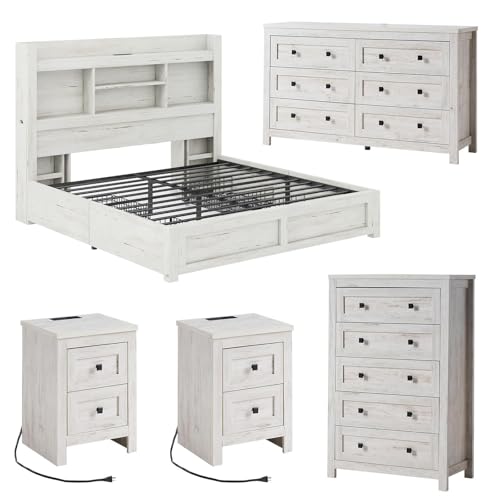
- Expanded set: queen bed, dresser, nightstand, and an additional piece such as a queen bed set with dresser and nightstand arrangement that includes a mirror, chest, or bench.
Before comparing finishes, confirm exactly which pieces a listing includes. A "set" that ships without a nightstand can still be a strong choice, but only if you factor the missing piece into your overall storage plan.
Sizing a Queen Bed Plus Dresser in a Real Bedroom
A queen mattress measures about 60 by 80 inches, and the frame adds a few inches on each side. The dresser is the second-largest footprint in the room, so the pair needs deliberate planning rather than an optimistic floor plan sketch.
| Room Dimension | What Fits Comfortably | Dresser Suggestion |
|---|---|---|
| 10 x 10 ft | Queen bed, one nightstand, tight walking clearance | Narrow dresser 30 to 36 inches wide |
| 10 x 12 ft | Queen bed, two nightstands, standard dresser | Dresser 48 to 60 inches wide |
| 12 x 14 ft and larger | Full set plus bench, chest, or reading chair | Dresser 60 to 72 inches wide |
Always leave at least 30 inches between the foot of the bed and the dresser face so drawers can open fully and you can walk through. If your room is tight, a queen bed with matching dresser pairing a compact dresser with a low-profile frame preserves visual space better than a tall, deep chest.
Storage Capacity: How Many Drawers Do You Actually Need
A dresser's drawer count is a proxy for usable volume, but the count alone is misleading. Drawer depth, interior height, and glide quality matter just as much. A six-drawer dresser with deep, smooth-gliding drawers can hold more than an eight-drawer unit with shallow, sticky boxes.
- Single adult: a four to six drawer dresser is usually sufficient alongside a closet.
- Couple sharing a queen bed: six to eight drawers is the practical baseline; consider a wider dresser or add a chest.
- No closet or minimal closet: an eight to nine drawer wide dresser, or a queen bedroom set with dresser that includes both a dresser and a chest, is the safer bet.
Also check drawer construction. Dovetail joints and metal side-mount or under-mount glides signal a more durable build than stapled corners and plastic runners. These details separate a mid-range set that lasts a decade from a starter tier set that loosens within a few years.
Materials and Construction Quality by Tier
Queen bedroom sets span a wide quality spectrum. Instead of comparing by numbers, compare by construction tier and how each tier behaves over time.
| Tier | Typical Construction | Best For |
|---|---|---|
| Entry-level | Engineered wood panels, paper or thin veneer, basic glides | Guest rooms, temporary setups, first apartments |
| Mid-range | Engineered core with quality veneers, solid wood drawer fronts, metal glides | Primary bedrooms with everyday use |
| Premium | Solid wood frame, dovetail drawers, soft-close hardware | Long-term family bedrooms and heirloom use |
| Luxury | Hardwood such as walnut or oak, hand-finished surfaces, premium hardware | Design-led interiors and statement bedrooms |
Solid wood frames tolerate humidity changes better than thin engineered panels, while quality engineered cores resist warping in climate-controlled rooms. If you prefer a natural grain look, an oak dresser and nightstand set is a durable reference point for what premium solid construction should feel like. Buyers weighing frame options can also compare a queen size bed frame and dresser set where the frame material is stated explicitly rather than implied.
Style Coordination: Matching vs. Collected Looks
A strict matching set delivers visual calm: identical finishes, repeated hardware, and consistent edge profiles. It is the safest route for small rooms where visual noise is a real problem. However, many interior designers now favor a "collected" approach, where the bed and dresser share a wood tone or hardware family but differ in silhouette.
- Modern and minimalist rooms: a matching set in a single finish keeps the palette quiet and lets architecture lead.
- Farmhouse and rustic rooms: a reclaimed or distressed finish set reads intentional when every piece shares the same texture.
- Transitional rooms: pair a queen bed, dresser, and nightstand from one collection with a contrasting bench or mirror to avoid a showroom look.
Consider hardware as the tie-breaker. If two pieces share drawer pulls, they will read as a family even when the wood tones differ slightly.
Functional Details That Separate Good Sets From Great Ones
Catalogs emphasize finish and silhouette. The details that determine daily satisfaction are less visible but easy to verify in product specs and reviews.
Pre-Purchase Checklist
- Measure doorways, stair turns, and hallway width before ordering; assembled queen beds and wide dressers often ship in multiple boxes.
- Confirm whether the bed requires a box spring or supports a mattress directly on slats.
- Check drawer interior height, not just exterior dimensions, for bulky items like sweaters.
- Verify glide type: metal ball-bearing or under-mount soft-close glides outlast plastic runners.
- Look for anti-tip hardware included with the dresser, especially in homes with children.
- Confirm the finish is sealed or lacquered; unfinished surfaces stain easily in humid rooms.
If the bed frame is the piece you care most about, a queen bed frame with dresser set lets you anchor the room on frame quality and treat the dresser as a supporting piece. Buyers who want extra display or dressing space sometimes prefer a queen bed with dresser and mirror configuration that adds a vertical focal point above the dresser.
Where to Place the Dresser in a Queen Bedroom
Placement affects both function and perceived room size. The two most reliable layouts are:
- Across from the foot of the bed: maximizes walking clearance and keeps the dresser out of the sleep zone. This is the best layout when the dresser is wide.
- Along the same wall as the headboard, offset to one side: works well in narrow rooms and keeps the center of the floor open.
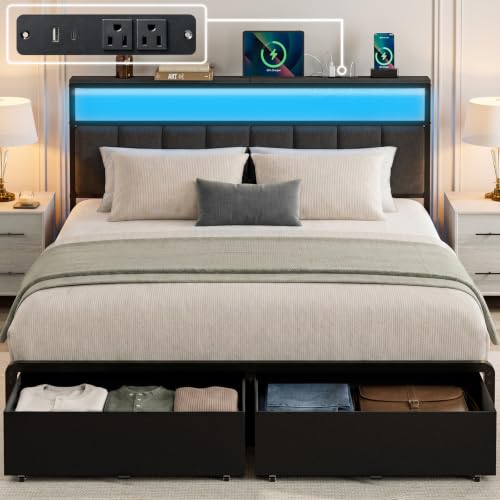
Avoid placing the dresser directly beside the bed where drawer fronts collide with nightstand clearance. If floor space is genuinely limited, a queen bed with dresser underneath design uses vertical space instead of floor area and is a smart compromise for compact rooms. Tall dressers also demand wall anchoring, so plan the placement around a stud or use the included anti-tip kit.
Common Buying Mistakes to Avoid
- Ordering before measuring the delivery path. A queen headboard that fits the room may not fit the stairwell. Measure the route, not just the destination.
- Assuming all "sets" include a nightstand. Read the included-pieces list line by line.
- Ignoring drawer glide quality. Cheap glides are the most common failure point in mid-priced bedroom furniture.
- Overlooking the dresser depth. A deep dresser eats floor space; confirm the depth against your walking clearance.
- Buying the bed first and the dresser last. Sourcing a matching dresser later is harder than buying the coordinated set in one go.
If you are still deciding between formats, the queen bed and dresser set overview is a useful starting point for comparing bundle options, while the queen size bed set with dresser page focuses on configurations built around the standard queen footprint.
Frequently Asked Questions
What usually comes in a queen size bed and dresser set?
Most sets include the queen bed frame or headboard, the dresser, and often a matching nightstand. Expanded sets add a mirror, chest, or bench. Always confirm the included-pieces list before ordering.
How much floor space does a queen bed and dresser set need?
A queen bed takes up roughly 60 by 80 inches. Add a dresser with 30 to 40 inches of depth and at least 30 inches of drawer clearance, and a room of 10 by 12 feet is the practical minimum for comfortable circulation.
Should the dresser match the bed exactly?
Matching sets create a cohesive, calm look, especially in small rooms. A collected approach that shares wood tone or hardware but differs in shape can look more layered and is often preferred by designers.
What materials are best for a queen bedroom set?
Solid wood such as oak, maple, or walnut offers the most durable construction and long-term investment. Quality engineered wood with veneers is stable and consistent, while metal frames suit modern and industrial interiors.
How many drawers should a matching dresser have?
For a couple sharing a queen bed, six to eight drawers is the practical baseline. Homes with limited closet space should consider a wider eight to nine drawer dresser or a set that adds a chest.