Plastic Clothes Drawers: Complete Buying Guide & Storage Tips
Lightweight, versatile, and practical — learn how to choose the right plastic dresser for your bedroom, closet, or dorm, and get the most out of every drawer.
Why plastic clothes drawers deserve a closer look: They are among the most flexible storage solutions available today. Whether you are outfitting a small apartment, organizing a nursery, or adding overflow storage to a closet, a well-chosen plastic dresser delivers reliable organization without the weight and rigidity of traditional wood furniture. This guide walks you through materials, drawer configurations, safety, and organization so you can make a confident decision.
What Are Plastic Clothes Drawers?
Plastic clothes drawers are freestanding storage units made primarily from molded plastic — most commonly polypropylene, high-density polyethylene, or reinforced resin. They are designed to hold folded clothing, accessories, and small personal items. Unlike solid wood or engineered wood dressers, plastic models are valued for being lightweight, moisture-resistant, and easy to relocate.
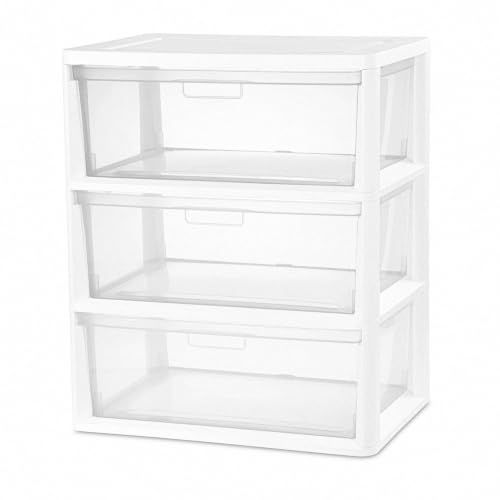
The category covers a wide range of products. At the simplest end, you will find stackable drawer towers that slot together without tools. At the more refined end, a plastic dresser can feature smooth-glide runners, reinforced frames, and a finish that blends naturally into a modern bedroom. Some units are designed specifically as a plastic storage dresser with removable drawers, which makes them useful in closets, laundry rooms, and multipurpose spaces.
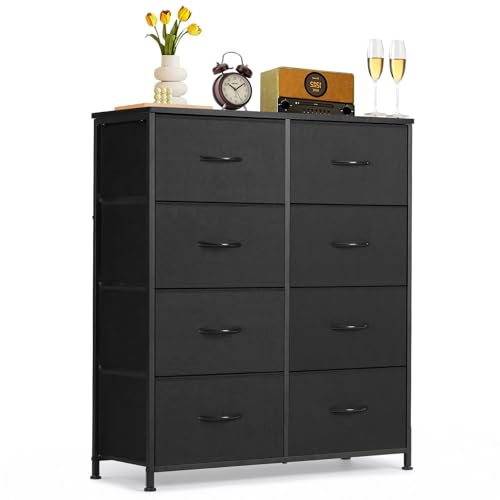
It helps to think of plastic clothes drawers as a spectrum. Entry-level models prioritize portability and a light footprint. Mid-range models add sturdier walls and better drawer mechanics. Premium and luxury-tier plastic dressers focus on durability, refined finishes, and larger capacity — often mimicking the look of wood furniture while retaining the practical benefits of plastic.
Types of Plastic Clothes Drawers
Not all plastic drawers serve the same purpose. Understanding the main formats will help you match the product to your room and routine.
Stackable Drawer Towers
These are the most common plastic clothes drawers. Individual drawer modules stack vertically, letting you build the height you need. They are ideal for dorms, rental apartments, and closets where floor space is limited. Because they are modular, you can start small and expand later.
Freestanding Plastic Dressers
A plastic dressers unit is a self-contained piece with a frame and multiple drawers, usually three to six. These look more like traditional bedroom furniture and often include wider drawers for folded clothing. They are a strong choice for guest rooms and children's bedrooms.
Portable Dresser Closets
A portable dresser closet combines drawer storage with a hanging section or shelving, often using a lightweight frame and fabric or plastic drawers. These are excellent for people who move frequently or need a temporary storage solution that can be folded or disassembled.
Modular Storage Drawers
These units use individual plastic bins that slide into a frame or connect directly. They are popular in craft rooms, bathrooms, and closets because each drawer can be removed and carried to another room. Many people use them as plastic dresser drawers for clothes in secondary spaces such as guest rooms or laundry areas.
If you plan to move the unit often, prioritize stackable or modular designs. If the dresser will stay in one bedroom, a freestanding plastic dresser with wider drawers will feel more like permanent furniture.
Materials and Construction: What Separates the Tiers
Plastic is a broad term, and the quality of the polymer blend matters. The table below summarizes how construction typically differs across market tiers. Use it as a relative guide rather than an absolute rule.
| Tier | Typical Material | Drawer Mechanics | Best For |
|---|---|---|---|
| Entry-level | Thin polypropylene, basic resin | Friction-fit or simple slide rails | Dorms, temporary setups, light use |
| Mid-range | Thicker polypropylene, reinforced corners | Smooth-glide runners, stop tabs | Bedrooms, guest rooms, daily use |
| Premium | High-density polymer, rigid frame | Full-extension glides, soft-close options | Primary bedroom storage, long-term use |
| Luxury | Engineered polymer blends with decorative finishes | Precision glides, anti-wobble construction | Design-focused bedrooms, high-traffic use |
A common misconception is that all plastic drawers feel the same. In practice, the difference between an entry-level tower and a premium plastic dresser is noticeable the first time you open a drawer. Mid-tier models and above typically use thicker walls and better runners, which reduce flexing and noise. If the dresser will be opened several times a day, investing in a higher tier is generally a worthwhile long-term decision.
Also consider the finish. Matte and textured surfaces hide fingerprints better than high-gloss plastic, which is useful in children's rooms and busy households. Some premium models use a wood-grain texture that pairs well with oak dresser or pine dresser furniture elsewhere in the room.
Size and Drawer Configuration
The right drawer count depends on what you store and where the unit will live. Here is a practical breakdown:
3-Drawer Units
Compact and easy to place beside a bed or in a closet. Best for accessories, socks, and folded tops. A three-drawer plastic unit is a sensible starter size for a dorm room or a small guest space.
4-Drawer Units
The most balanced option for a single adult. Four drawers generally allow one drawer each for tops, bottoms, undergarments, and accessories. Many mid-range plastic dressers are built around this configuration.
5- and 6-Drawer Units
Larger capacity for couples, children, or anyone with a substantial wardrobe. A six-drawer plastic dresser can function as the primary clothing storage in a smaller bedroom. Check the footprint carefully — wider units need clearance for drawers to open fully.
Narrow and Tall Towers
Vertical designs are ideal when floor space is tight. They use height rather than width, which makes them a good fit for narrow gaps beside a bed or between a closet and a wall.
Measure the full extension of each drawer, not just the closed unit. A drawer that opens into a doorway or walkway quickly becomes a daily annoyance.
Plastic Clothes Drawers vs. Wood Dressers
Plastic and wood dressers serve different priorities. Plastic wins on portability, moisture resistance, and ease of cleaning. Wood wins on longevity, repairability, and the warmth of natural materials. If you are comparing the two categories, our guides on real wood dressers and oak dressers provide useful context.
Many households use both. A wood dresser anchors the primary bedroom, while plastic clothes drawers handle overflow in a closet, nursery, or guest room. This hybrid approach is practical and keeps the main bedroom visually cohesive.
For nursery use, plastic drawers can work well as secondary storage, but dedicated nursery dressers are generally the safer primary choice because they are designed with anti-tip hardware and child-safe drawer stops. If you are setting up a full nursery, our nursery dresser guide covers safety considerations in more detail.
How to Organize Plastic Clothes Drawers
A plastic dresser is only as useful as its organization system. These habits make a noticeable difference:
Assign One Category per Drawer
Resist the urge to mix categories. One drawer for tops, one for bottoms, one for undergarments, and one for accessories. This reduces search time and keeps the unit tidy.
Fold Vertically
Folding clothes into vertical rectangles — sometimes called file folding — lets you see every item at a glance. It works especially well in shallow plastic drawers where stacking creates hidden layers.
Use Drawer Dividers
Adjustable dividers keep small items from sliding around, particularly in wider drawers. They are a low-effort upgrade that makes a mid-range plastic dresser feel more organized than its tier would suggest.
Rotate Seasonal Clothing
Store off-season items in the least accessible drawers and keep current-season clothing at eye level. This simple rotation keeps the most-used drawers functional.
Label the Drawers
Small labels on the front of each drawer help everyone in the household put things back correctly. This is especially useful in shared rooms and children's spaces.
For more detailed guidance, see our broader collection of bedroom storage and organization resources.
Safety Considerations
Plastic dressers are lightweight, which is both an advantage and a consideration. Follow these safety practices:
- Anchor tall units. Any drawer unit taller than waist height should be secured to the wall with an anti-tip strap or bracket.
- Avoid overloading top drawers. Heavy items in upper drawers raise the center of gravity and increase tipping risk.
- Keep drawers closed. Open drawers are a trip hazard and make the unit easier to tip.
- Check weight ratings. Each drawer has a recommended load. Distribute weight evenly and avoid exceeding the manufacturer's guidance.
- Place on level flooring. Wobbling increases stress on plastic joints over time.
In households with young children, choose models with drawer stops that prevent accidental full removal, and always use the wall-anchoring hardware that ships with the unit.
Care and Maintenance
Plastic clothes drawers are low-maintenance, but a few habits extend their life:
- Wipe surfaces with a damp cloth and mild soap. Avoid abrasive cleaners that can scratch the finish.
- Keep the unit out of direct sunlight to prevent yellowing and brittleness over time.
- Periodically check screws, clips, and runners. Tighten or replace loose hardware as needed.
- Do not place hot items directly on plastic surfaces.
- For stackable units, confirm each module is fully seated before adding the next one.
If a drawer begins to stick, a light application of silicone-based lubricant on the runner — not oil — usually resolves the issue without attracting dust.
Related Storage Solutions
Plastic clothes drawers are one part of a complete storage plan. These related resources may help you build out the rest of the room:
Frequently Asked Questions
Are plastic clothes drawers durable enough for daily use?
Yes, modern plastic clothes drawers made from high-grade polypropylene or reinforced resin are designed for daily use. Entry-level models are lighter and best for low-traffic spaces, while mid-range and premium plastic dressers feature thicker walls, smooth-glide runners, and reinforced frames that handle constant opening and closing well.
What is the difference between a plastic dresser and a plastic storage dresser?
A plastic dresser typically refers to a freestanding drawer unit used for clothing in bedrooms, while a plastic storage dresser often describes modular units with removable drawers that can be used in closets, dorms, or multipurpose rooms. Both serve similar functions, but storage dressers emphasize flexibility and portability.
Can plastic clothes drawers be used in a nursery?
Plastic clothes drawers can work in a nursery when they are sturdy, have anti-tip features, and are placed against a wall. For more dedicated baby storage, consider purpose-built options like nursery dressers that meet safety standards and offer changing-table functionality.
How do I organize clothes inside plastic drawers?
Use drawer dividers to separate categories, fold clothes vertically for visibility, and assign each drawer a specific purpose such as tops, bottoms, or accessories. Rotate seasonal items to keep the most-used clothing within easy reach.
Are plastic dressers suitable for small apartments or dorms?
Absolutely. Plastic dressers are lightweight, portable, and often stackable, making them ideal for small apartments, dorms, and rental spaces. A portable dresser closet style keeps clothing organized without permanent installation.