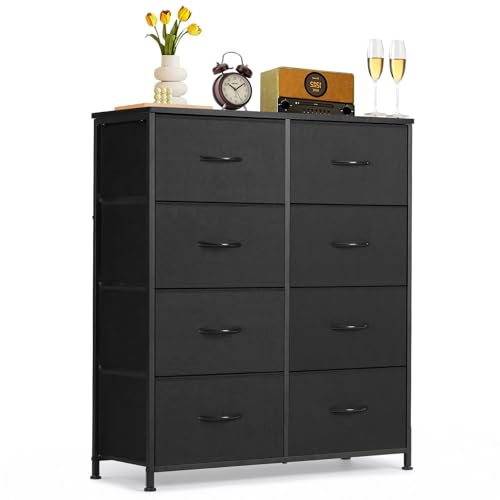
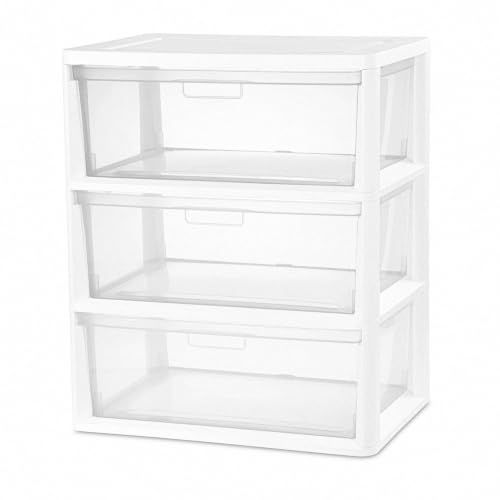
Plastic Storage Dresser: The Complete Buying Guide
Lightweight, moisture-resistant, and surprisingly versatile — a plastic storage dresser is one of the most practical storage solutions for closets, dorms, nurseries, and small bedrooms. Here is everything you need to know before choosing one.
Explore Recommended ModelsWhy consider a plastic storage dresser? Unlike solid wood or engineered wood furniture, plastic dressers are built for flexibility. They resist humidity, wipe clean in seconds, and move easily from room to room. For renters, students, and families who need flexible storage, a well-built plastic dresser can outperform heavier alternatives in everyday convenience.
What Exactly Is a Plastic Storage Dresser?
A plastic storage dresser is a freestanding drawer unit made primarily from molded polymer — usually polypropylene or a reinforced plastic blend. The drawers slide on integrated tracks or metal glides, and the frame is assembled either as a single molded piece or as a snap-together modular system.
These units sit at the intersection of furniture and storage equipment. They are commonly used for clothing, but the same design works for craft supplies, office items, garage tools, and bathroom essentials. If your priority is a lightweight unit that can be relocated without a helper, a plastic dresser is a strong starting point.
It helps to understand how this category differs from traditional furniture. A wooden chest of drawers emphasizes weight capacity and long-term furniture value, while plastic units emphasize portability, moisture resistance, and simple maintenance. Neither is universally better — the right choice depends on where the unit will live and what it needs to hold.
Types of Plastic Storage Dressers
Not all plastic dressers are built the same way. The construction method affects stability, drawer smoothness, and how much weight each drawer can carry. Here are the main categories you will encounter.
Modular Drawer Towers
Snap-together units with stackable frames. Ideal for closets and dorms because you can expand them as storage needs grow.
Molded Single-Frame Units
One-piece bodies with integrated drawer channels. More rigid than modular designs and better for heavier clothing loads.
Wide Console Dressers
Lower, wider footprints designed as bedroom or entryway consoles. Often paired with a mirror or used as a TV stand.
By Drawer Count
- 3-drawer units: Best for bedside storage, small closets, and entryway catch-alls.
- 4 to 6 drawers: The most common configuration for clothing and general household items.
- 9-drawer towers: Suited to shared rooms, craft storage, and larger clothing collections.
If you need a compact solution for a tight space, our guide to plastic clothes drawers covers footprint measurements and stacking options in more detail.
By Drawer Style
Drawer design matters as much as drawer count. Open-front bins are easy to grab from but expose contents to dust. Closed-front drawers with molded handles look tidier and protect clothing from light and debris. Some premium models use translucent drawers so you can identify contents without opening them — a practical middle ground.
Materials, Durability, and Build Quality
The plastic used in storage dressers varies considerably in quality. Understanding the difference helps you avoid units that crack under load or warp in humid rooms.
Polypropylene (PP)
The most common material. Polypropylene is flexible, resistant to moisture, and holds its shape well under normal household temperatures. Mid-range and premium units typically use thicker PP walls and reinforced corners.
High-Impact Polystyrene (HIPS)
Stiffer than standard PP but more brittle. HIPS is often used for drawer fronts where a crisp appearance matters. Quality varies widely — entry-level HIPS drawers can crack if overloaded, while high-grade versions handle daily use comfortably.
Reinforced Blends
Top-tier and commercial-grade plastic dressers sometimes blend polymers with fiber reinforcement. These units feel noticeably more solid and are less prone to flexing when fully loaded. They are the closest plastic equivalent to a traditional furniture build.
What to Check Before Buying
- Wall thickness: Thicker drawer walls resist bowing under weight.
- Glide mechanism: Metal glides outlast molded plastic channels, especially in mid-range and premium tiers.
- Base support: A reinforced bottom panel prevents sagging when drawers are full.
- Weight rating: Check per-drawer limits — essential if you plan to store denim or linens.
- Stability features: Anti-tip brackets or wall-anchor kits are important for nurseries and homes with children.
For a broader look at how materials affect longevity across dresser categories, see our materials and finishes guide.
Entry-Level vs Mid-Range vs Premium Plastic Dressers
Plastic storage dressers fall into three broad quality tiers. The differences show up in drawer smoothness, frame rigidity, and how the unit behaves after months of daily use.
| Tier | Best For | Typical Characteristics |
|---|---|---|
| Entry-Level | Light clothing, temporary setups, dorms | Thinner walls, molded drawer channels, snap-together frames. Adequate for light loads but not built for heavy daily use. |
| Mid-Range | Everyday bedroom and closet storage | Thicker polypropylene, smoother glides, reinforced bases. A balanced choice for most households. |
| Premium | Heavy clothing, shared rooms, long-term use | High-grade reinforced polymers, metal glides, rigid single-frame construction. The most durable option in the plastic category. |
As a rule, mid-range models offer noticeably smoother drawer movement than entry-level units, while premium models close the gap between plastic and traditional furniture in terms of rigidity. If you are comparing plastic against wood construction, our article on solid wood vs engineered materials explains where each material excels.
Where a Plastic Storage Dresser Works Best
The strength of plastic storage is adaptability. These units perform well in environments where wood furniture struggles or feels impractical.
Closets and Walk-Ins
A plastic dresser fits neatly under hanging rods or along a closet wall. Because the unit is lightweight, it can be repositioned as your wardrobe changes seasonally. Our closet dresser ideas collection includes layout suggestions for narrow and walk-in closets.
Dorm Rooms and Apartments
Portability is the deciding factor here. A plastic dresser can be carried up stairs, moved between apartments, and disassembled for transport. For renters who move frequently, this flexibility is difficult to match.
Nurseries and Children's Rooms
Lightweight drawers are easy for parents to open one-handed, and plastic surfaces wipe clean quickly. Safety anchoring is essential — always secure the unit to the wall. Browse nursery dressers for child-safe configurations and height recommendations.
Bathrooms and Utility Rooms
Moisture resistance is a genuine advantage. Plastic will not swell or warp in humid bathrooms the way wood can. Many households use a plastic unit for towels, toiletries, and cleaning supplies.
Garages and Craft Rooms
Heavy-duty plastic dressers hold tools, hardware, and craft materials without concern for scratches or spills. Choose a premium or commercial-grade unit if the contents are heavy.
For small-space layouts, our guides to dressers for small spaces and small bedroom storage ideas offer room-by-room planning advice.
How to Organize a Plastic Storage Dresser
Because plastic drawers are often shallower than wooden dresser drawers, organization strategy matters. A few simple habits keep the unit functional over time.
Assign Drawers by Frequency
Place the items you use daily in the middle drawers at waist height. Seasonal or occasional items go in the top and bottom drawers. This reduces bending and keeps high-use drawers from becoming overcrowded.
Use Drawer Dividers
Plastic drawers benefit from dividers because contents shift more easily in lightweight units. Interlocking dividers keep socks, undergarments, and accessories in place. Our drawer dividers guide covers sizing and placement.
Fold with Height in Mind
Shallow drawers reward vertical folding. Stand folded items upright rather than stacking them flat — you will see everything at a glance. The folding clothes tips article explains the technique step by step.
Rotate Seasonally
Plastic dressers are easy to empty and reorganize. Use the change of seasons as a prompt to swap out heavy knits for lighter layers. Our seasonal clothing storage guide walks through the rotation process.
Keep the Top Surface Clear
Plastic dresser tops are prone to clutter because they are often placed in high-traffic areas. A small tray or basket corrals keys, glasses, and small accessories. See on top of dresser storage ideas for practical solutions.
Safety Considerations
Plastic dressers are lighter than wooden furniture, which makes tip-over prevention especially important.
- Anchor to the wall: Use the anti-tip kit included with most mid-range and premium units. If no kit is supplied, install a furniture strap.
- Distribute weight evenly: Avoid loading only the top drawers, which raises the center of gravity.
- Check drawer stops: Drawers that pull out too far can shift the unit's balance. Confirm the stops are intact.
- Place on level flooring: Uneven floors increase wobble and tip-over risk.
- Keep away from heat sources: Prolonged direct heat can soften some polymers.
If the unit will be used in a child's room, review our nursery dresser safety checklist before finalizing placement.
Buying Checklist: What to Confirm Before You Order
Use this checklist to compare models on the factors that actually affect daily use.
- Footprint: Measure the intended wall space and doorway clearance before ordering.
- Drawer depth: Confirm interior depth — shallow drawers suit accessories, deeper drawers suit clothing.
- Glide type: Metal glides are smoother and more durable than molded channels.
- Weight rating: Check per-drawer and total unit limits against what you plan to store.
- Assembly method: Snap-together units are faster to build but less rigid than single-frame designs.
- Safety hardware: Confirm an anti-tip kit is included or available.
- Ventilation: Closed drawers should have subtle venting to prevent mustiness in humid rooms.
- Warranty: A longer warranty usually signals a manufacturer's confidence in the polymer quality.
For a full comparison framework that applies across dresser categories, read our complete dresser buying guide.
Maintenance and Care
Plastic storage dressers require very little upkeep, but a few habits extend their lifespan.
- Wipe surfaces with a damp cloth and mild soap — avoid abrasive cleaners that dull the finish.
- Do not overload drawers beyond the stated weight rating; repeated overloading is the leading cause of cracked drawer fronts.
- Check glides and connection points every few months and tighten or reseat as needed.
- Keep the unit out of direct sunlight to prevent color fading and polymer brittleness over time.
- Empty and clean the unit before moving it to avoid stress on the frame during transport.
If you are comparing upkeep across dresser types, our how to clean a dresser guide covers wood, laminate, and plastic surfaces side by side.
Common Mistakes to Avoid
- Buying by drawer count alone: Interior depth and weight rating matter more than the number of drawers.
- Skipping the wall anchor: Lightweight units tip more easily than heavy furniture — anchoring is not optional.
- Overloading the top drawers: This raises the center of gravity and stresses the frame.
- Ignoring humidity in reverse: While plastic resists moisture, trapped damp clothing inside closed drawers can develop odors. Ventilate occasionally.
- Choosing entry-level for heavy use: If the unit will hold denim, linens, or tools daily, step up to mid-range or premium construction.
Frequently Asked Questions
Are plastic storage dressers durable enough for daily use?
Yes. Mid-range and premium plastic storage dressers use reinforced polymer frames and heavy-duty drawer glides that hold up well to daily use. Entry-level models are best suited for light-duty or temporary storage.
What is the difference between a plastic storage dresser and a wooden dresser?
Plastic storage dressers are lightweight, moisture-resistant, and easy to move, making them ideal for closets, dorms, and garages. Wooden dressers offer a more traditional look, greater weight capacity, and long-term furniture value.
Can a plastic storage dresser be used in a nursery?
Yes, provided the unit is stable and anchored to the wall. Many parents choose plastic dressers for nurseries because the drawers are lightweight and easy to clean. Always check weight limits and safety certifications.
How many drawers should a plastic storage dresser have?
Three-drawer units work well for small spaces and bedside storage. Four to six drawers suit clothing and general household items, while nine-drawer towers are better for larger collections and shared rooms.
Do plastic dresser drawers hold heavy items?
It depends on the tier. Entry-level drawers handle light clothing and accessories. Mid-range and premium models with reinforced bases and thicker walls can hold jeans, linens, and heavier household items.
Final Thoughts
A plastic storage dresser is not a compromise — it is a deliberate choice for households that value flexibility, moisture resistance, and easy maintenance. The key is matching the tier to the job: entry-level for light or temporary use, mid-range for everyday bedroom storage, and premium for heavy loads and long-term placement.
Before you decide, compare a few models side by side using the checklist above. If you are still weighing plastic against other dresser types, our dresser vs chest of drawers comparison clarifies the terminology, and our dresser size guide helps confirm the right footprint for your room.
Ready to compare models? Scroll down to see recommended plastic storage dressers selected for durability, drawer smoothness, and practical capacity.