Plastic Dresser Drawers for Clothes: The Complete Storage Guide
Lightweight, versatile, and remarkably practical — plastic dresser drawers have become a go-to solution for clothing storage in bedrooms, closets, dorms, and nurseries. This guide explains how to choose the right unit, what to look for in construction, and how to get the most from your plastic drawer system.
Buying guide · Materials · Organization tipsWhy Choose Plastic Dresser Drawers for Clothes?
Plastic dresser drawers occupy a distinct place in the storage furniture market. They are not trying to imitate solid wood heirlooms — instead, they solve specific problems better than almost any other material. Understanding those strengths helps you decide whether a plastic unit belongs in your home.
Strengths of Plastic Drawers
- Exceptionally lightweight and easy to move between rooms
- Moisture-resistant construction suits bathrooms, basements, and laundry areas
- Wipe-clean surfaces resist stains and spills
- Stackable and modular configurations adapt to changing needs
- No assembly headaches on many models — often snap-together or pre-built
- Consistent, uniform drawer dimensions simplify organizer inserts
Limitations to Consider
- Less visual warmth than wood or engineered wood finishes
- Entry-level polymer can crack under heavy loads or cold temperatures
- Drawer glides are usually simpler than metal ball-bearing slides
- Not intended as heirloom furniture — plan for a shorter service life
- Static buildup can attract dust on some finishes
For renters, students, parents of young children, and anyone who reorganizes frequently, these trade-offs are often worthwhile. Plastic drawers shine where flexibility matters more than permanence.
Quality Tiers: Entry-Level, Mid-Range, and Top-Tier Plastic Dressers
Not all plastic dressers are created equal. The category spans a wide quality spectrum, and the differences show up in wall thickness, drawer glide design, load ratings, and finish quality. Use the tier framework below to calibrate your expectations.
Entry-Level Tier
Thin-walled polymer, friction-fit drawers, and simple snap assembly. Suitable for light clothing, accessories, and occasional use. Best for dorms, temporary setups, and secondary storage.
Mid-Range Tier
Reinforced resin construction, smoother drawer travel, and molded handles. Handles everyday folded clothing well and offers a solid balance of durability and flexibility.
Top-Tier / Premium Tier
Heavy-duty polymer frames, metal-reinforced glides on select models, anti-tip hardware, and refined finishes. Designed for full-time clothing storage and heavier loads.
Choosing the Right Drawer Count for Clothes Storage
The number of drawers directly affects how well you can separate clothing categories. A well-planned drawer count reduces clutter and makes daily routines faster.
| Drawer Count | Best For | Typical Configuration |
|---|---|---|
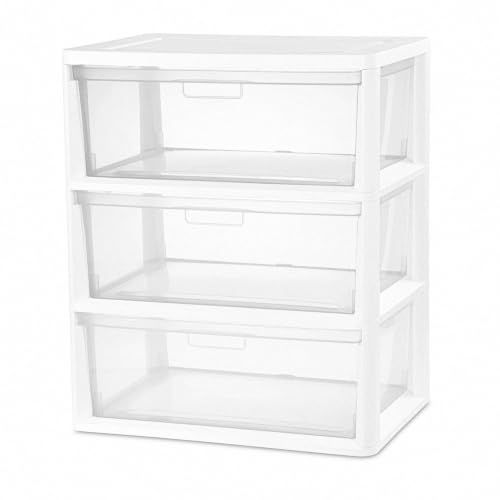
| 3 drawers | Single person, child's room, guest room | One wide top drawer plus two deep lower drawers |
| 4 drawers | Couples with compact wardrobes, small bedrooms | Two shallow and two deep drawers |
| 5–6 drawers | Shared bedrooms, full clothing collections | Mixed-depth stack with a top accessory drawer |
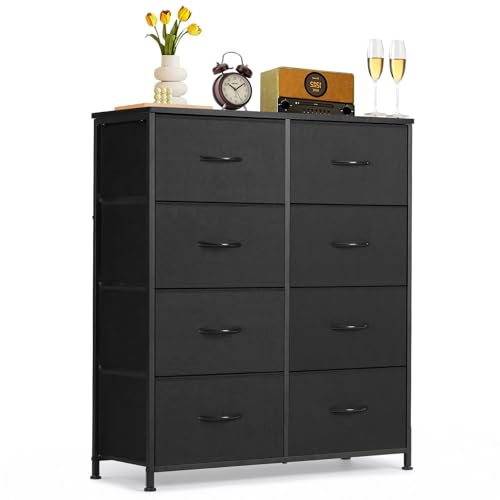
| 8–12 drawers | Dorm rooms, craft storage, linen plus clothing | Tall tower with narrow, uniform drawers |
Consider the depth as much as the count. Shallow drawers suit socks, underwear, and folded t-shirts, while deep drawers accommodate jeans, sweaters, and bulky activewear. A mixed-depth unit is usually the most practical choice for clothing.
Plastic Types and Construction Details
The polymer used in a dresser determines its durability, clarity, and feel. Most plastic dresser drawers for clothes fall into a few common material categories:
Polypropylene (PP)
The most common material for opaque plastic drawers. Polypropylene is tough, slightly flexible, and resistant to stress cracking. It handles temperature changes reasonably well and is a solid choice for bedroom and closet use.
Polystyrene (PS) and Acrylic Blends
Often used for clear or translucent drawer towers. These materials offer a clean, modern look and let you see contents at a glance. They are somewhat more brittle than polypropylene, so avoid overloading them.
Reinforced and Recycled Polymer
Top-tier units increasingly use fiber-reinforced or recycled polymer blends that improve rigidity and reduce flex. These constructions feel closer to engineered wood in use and are worth considering for daily clothing storage.
Frame and Glide Construction
Look for a molded internal frame rather than a simple outer shell. Better units use integrated drawer stops, smooth-glide channels, and reinforced corners. Metal-reinforced glides on premium models deliver the smoothest pull and push experience.
Sizing and Placement: Making Plastic Drawers Fit Your Space
Measure your available floor space before shopping. Plastic dressers come in three broad footprints:
- Narrow tower: roughly 12–16 inches wide — ideal for closets, beside a bed, or in a dorm corner.
- Standard width: roughly 24–30 inches wide — the most common bedroom configuration.
- Wide unit: 36 inches and above — suits shared rooms and doubles as a TV or accessory stand.
Also check the assembled height. Tall towers offer more storage in less floor space but require wall anchoring. Low, wide units are easier to access and less prone to tipping.
Safety, Stability, and Everyday Care
Plastic furniture is lightweight, which is both an advantage and a safety consideration. Follow these practices to keep your dresser stable and long-lasting:
- Anchor tall units to the wall using the supplied strap or a furniture anti-tip kit.
- Place heavier items — jeans, blankets — in lower drawers to lower the center of gravity.
- Avoid overfilling drawers past the recommended fill line; this strains glides and frames.
- Keep units away from direct heat sources and prolonged sunlight, which can warp entry-level polymer.
- Clean with a damp cloth and mild soap; avoid solvents and abrasive pads.
With basic care, a mid-range plastic dresser can serve reliably for years, especially when it is used for its intended load range.
Organizing Clothes Inside Plastic Drawers
The uniform interior dimensions of plastic drawers make them especially friendly to modular organizers. A few practical strategies:
- Vertical folding: Fold t-shirts and leggings so they stand upright, making every item visible.
- Drawer dividers: Use adjustable dividers to separate socks, underwear, and accessories within a single wide drawer.
- Category zoning: Assign top drawers to accessories, middle drawers to tops, and bottom drawers to bottoms and bulky items.
- Seasonal rotation: Store off-season clothing in upper drawers or in separate storage bins to keep daily drawers uncluttered.
For deeper organization guidance, explore our drawer organization ideas and the dresser organization guide.
Plastic vs. Wood vs. Fabric Dressers
Plastic drawers are one option among several. Here is how the main alternatives compare for clothing storage:
| Type | Best For | Trade-Off |
|---|---|---|
| Plastic drawers | Renters, dorms, closets, moisture-prone rooms | Less furniture-like appearance; shorter service life |
| Engineered wood dressers | Primary bedroom furniture with a cohesive look | Heavier; more sensitive to moisture |
| Solid wood dressers | Long-term investment pieces | Higher weight and greater upfront commitment |
| Fabric drawer organizers | Closet inserts and under-bed storage | Less structure; not freestanding furniture |
If you are furnishing a primary bedroom and want a cohesive look, consider wood options such as oak dressers or pine dressers. If flexibility is the priority, plastic remains the practical pick.
Final Buying Checklist
Before you commit to a plastic dresser for clothes, run through this checklist:
- Confirm the drawer count matches your clothing categories.
- Check the material type — polypropylene for durability, polystyrene for visibility.
- Verify load ratings per drawer if available.
- Confirm whether assembly is required and what tools are needed.
- Look for anti-tip hardware or a wall-anchoring strap.
- Measure your space, including clearance for drawers to open fully.
- Read reviews focused on glide smoothness and long-term durability.
If you are still comparing formats, our overview of plastic dressers and plastic storage dressers can help narrow the field further.
Frequently Asked Questions
Are plastic dresser drawers strong enough for everyday clothes storage?
Yes. Mid-range and top-tier plastic drawers use reinforced polymer construction that handles folded clothing, towels, and accessories well. Entry-level models are best reserved for lighter items and occasional use.
How many drawers do I need in a plastic dresser for clothes?
A 3-drawer unit suits a single wardrobe or a child's room. A 4 to 6-drawer unit works for couples or shared spaces, while 8 to 12-drawer towers are ideal for full clothing collections and craft or linen storage.
Can plastic dresser drawers be used in a closet?
Absolutely. Plastic drawer towers are popular closet organizers because they are lightweight, stackable, and easy to reposition. Narrow and vertical configurations fit well in closets with limited floor space.
How do I keep plastic drawers from tipping over?
Anchor the unit to the wall with the included safety strap or anti-tip kit, distribute heavier items in lower drawers, and avoid overloading the top drawers. This is especially important in homes with children.
Are plastic dressers easy to clean?
Yes. Most plastic drawers wipe clean with a damp cloth and mild soap. Avoid abrasive cleaners that can scratch the surface. Removable drawers make deep cleaning quick and simple.
Ready to Compare Plastic Dresser Options?
Browse the recommended plastic dresser drawers for clothes below. Each listing links to detailed product information so you can compare drawer counts, materials, and configurations side by side.