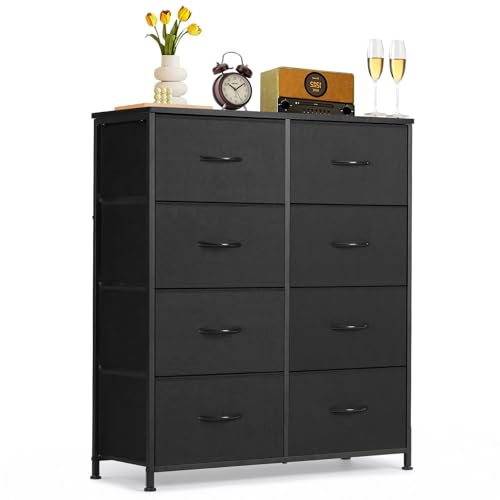
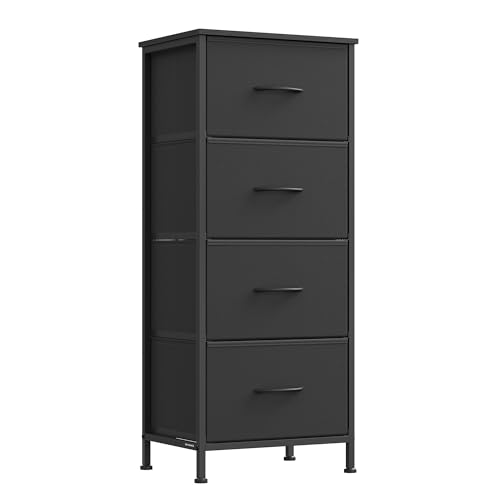
Plastic Dressers: Complete Guide to Lightweight Bedroom Storage
Discover how modern plastic dressers deliver practical, flexible, and low-maintenance storage for bedrooms, dorms, apartments, and small spaces — without the weight of traditional wooden furniture.
Start ExploringWhy Plastic Dressers Deserve a Second Look: Plastic dressers have evolved far beyond basic utility bins. Today's models feature smooth-gliding drawer systems, reinforced frames, and refined finishes that fit seamlessly into modern bedrooms. Whether you need a lightweight solution for a rental apartment, a stackable unit for a dorm room, or an easy-to-clean organizer for a nursery, plastic storage dressers offer a compelling alternative to heavier furniture. This guide walks you through drawer construction, material tiers, organization strategies, and the key factors to evaluate before you buy.
What Are Plastic Dressers and Who Are They For?
Plastic dressers — also known as plastic storage dressers or plastic drawer organizers — are furniture pieces built primarily from molded resin, polypropylene, or high-impact polystyrene. Unlike traditional wood dressers, these units are engineered to be lightweight, moisture-resistant, and easy to relocate. The drawer frames are typically constructed as interlocking modules, which means many models can be expanded vertically as your storage needs grow.
These dressers are especially well-suited to several scenarios:
- Renters and apartment dwellers who need furniture that is easy to move between units without risking wall damage or heavy lifting.
- Students and dorm residents looking for plastic clothes drawers that fit under lofts or beside beds and can be disassembled at the end of the semester.
- Parents setting up a nursery who want easy-to-wipe surfaces and rounded edges — see our guide to nursery dressers for safety-focused recommendations.
- Households in humid climates where wood furniture may warp or develop mildew over time.
- Anyone organizing a closet who needs modular plastic storage dresser units that fit into tight footprints.
Plastic Dresser Construction: What to Look For
Not all plastic dressers are built the same. The material grade and frame design determine how smoothly the drawers glide, how much weight each shelf supports, and how long the unit holds up to daily use. Here are the key construction details worth evaluating.
Resin type: Polypropylene is the most common material for mid-range and premium plastic dressers because it resists cracking and holds color well. High-impact polystyrene is frequently used in entry-level units — it is lighter but more prone to stress fractures at the corners. Look for models that specify a reinforced or double-walled frame if you plan to store heavier items like denim or books.
Drawer glides: Entry-level plastic dressers often use simple molded tracks, which can become sticky over time. Mid-range and top-tier models typically feature smoother sliding mechanisms or ball-bearing glides that reduce friction. If you open your drawers several times a day, investing in a plastic dresser drawers for clothes model with upgraded glides makes a noticeable difference in daily usability.
Frame stability: Because plastic dressers are lightweight, stability depends on how the modules interlock. Look for units with wide bases, anti-tip hardware, and interlocking side panels. A plastic dresser that wobbles when a drawer is fully extended is a safety concern, especially in households with children.
Ventilation and moisture resistance: Unlike wood, plastic does not absorb spills, which makes these dressers easy to clean with a damp cloth. However, fully sealed drawers can trap odors. Some premium models include ventilation slots in the drawer sides — a thoughtful feature for storing clothes in humid rooms.
Plastic Dresser Tiers: Entry-Level to Premium
To help you compare options without focusing on numerical figures, we classify plastic dressers into three broad quality tiers. Each tier reflects the materials, drawer mechanisms, and overall build quality you can expect.
Essential Tier
Basic molded resin frames with simple friction glides. Suitable for lightweight clothing, seasonal storage, or temporary setups. Best for short-term use or low-traffic spaces. Expect straightforward assembly and a functional, no-frills design.
Balanced Tier
Reinforced polypropylene construction with smoother drawer tracks and better interlocking frames. A solid choice for daily bedroom use. Many mid-tier models offer stackable modularity and improved weight capacity per drawer.
Top-Tier
Heavy-duty resin with precision glides, anti-tip hardware, and refined finishes. Designed for long-term daily use in main bedrooms or shared spaces. Feature-rich for its class, with thoughtful details like ventilation and reinforced corners.
When comparing tiers, keep in mind that a mid-range model usually offers noticeably smoother drawer operation than an entry-level unit, while a top-tier plastic dresser approaches the stability of a light wooden chest. For a broader comparison against traditional furniture, see our guide to plastic dresser options and how they differ from wood constructions.
Plastic Dresser Comparison at a Glance
| Tier | Material | Drawer Mechanism | Best For |
|---|---|---|---|
| Entry-Level / Essential | High-impact polystyrene, single-wall | Molded friction tracks | Dorms, temporary setups, light clothing storage |
| Mid-Range / Balanced | Polypropylene, reinforced corners | Smooth sliding tracks | Daily bedroom use, apartments, kids' rooms |
| Premium / Top-Tier | Heavy-duty resin, double-wall frame | Precision glides or ball-bearing | Main bedrooms, long-term use, heavier garments |
Pros and Cons of Plastic Dressers
✅ Advantages
- Lightweight and easy to move between rooms or apartments
- Moisture-resistant and simple to wipe clean
- Often stackable or modular for flexible storage
- Typically assembled without specialized tools
- Resistant to common pests that affect wood furniture
- Available in a wide range of colors and finishes
⚠️ Considerations
- Lower weight capacity than solid wood dressers
- Entry-level units may develop cracks at stress points
- Friction glides can become stiff over time
- Less aesthetically refined than premium wooden furniture
- Requires anti-tip anchoring in households with children
- Some models may yellow with prolonged direct sunlight exposure
How to Organize a Plastic Dresser
A plastic dresser works best when you treat each drawer as a defined zone. Because drawer depths are often shallower than wooden dressers, thoughtful organization prevents the unit from feeling cramped.
- Top drawer: undergarments, socks, and small accessories. Use dividers to keep items from sliding.
- Middle drawers: folded t-shirts, pajamas, and lightweight tops. Roll rather than stack to maximize vertical space.
- Bottom drawer: jeans, sweaters, or off-season clothing, which are heavier and benefit from the sturdier base of the unit.
- On top of the dresser: keep surfaces clear with a small tray or basket for daily essentials. Our ideas for on top of dresser storage ideas can help you use that space without clutter.
- Inside the closet: a slim portable dresser closet unit can turn unused closet corners into organized clothing storage.
For a deeper dive into drawer-level organization, including folding techniques and seasonal rotation, see our plastic dresser drawers for clothes guide.
Plastic Dresser Buying Checklist
Before finalizing your choice, run through these practical checks:
- Measure your space: confirm the footprint, height, and drawer extension depth so the unit fits without blocking walkways.
- Check the weight rating: each drawer should comfortably hold the garments you plan to store.
- Look for anti-tip hardware: essential for households with children or pets.
- Review assembly requirements: some models snap together, while others require screws and a screwdriver.
- Consider modularity: if you may need more storage later, choose a unit that accepts add-on modules.
- Verify color consistency: plastic finishes can vary between production batches, so order all modules at once if possible.
If you are also furnishing a nursery, pair your plastic dresser with a coordinated nursery wardrobe set to keep the room visually cohesive while maintaining lightweight, easy-to-clean storage throughout.
Frequently Asked Questions About Plastic Dressers
Are plastic dressers durable enough for daily use?
Mid-range and premium plastic dressers are built for daily use, especially when drawers are not overloaded. Entry-level units are better suited to light clothing and temporary setups. Choosing a model with reinforced corners and smooth glides significantly extends the usable life of the dresser.
Can plastic dressers be stacked?
Many plastic storage dresser models are designed to stack vertically using interlocking tops and bases. Always follow the manufacturer's recommended maximum stack height and anchor the top unit to the wall for safety.
How do I clean a plastic dresser?
Wipe the exterior and drawer fronts with a damp cloth and mild soap. Avoid abrasive cleaners, which can dull the finish. Remove drawers periodically and vacuum the tracks to keep glides moving smoothly.
Are plastic dressers safe for children's rooms?
Yes, provided the unit includes anti-tip hardware and is anchored to the wall. Plastic dressers with rounded edges and non-toxic finishes are a practical choice for kids' rooms. For nursery-specific guidance, review our nursery dresser recommendations.
Can plastic dressers hold heavy items like books or denim?
Bottom drawers in mid-range and premium units can typically support folded denim and similar garments. Heavy books and bulky items are better stored in a wooden chest or on reinforced shelving. Always check the drawer weight rating before loading heavier items.
Final Thoughts on Choosing a Plastic Dresser
Plastic dressers have earned a legitimate place in modern bedroom storage. They are lightweight, moisture-resistant, and adaptable — qualities that matter in rentals, dorms, small apartments, and children's rooms. The key is to match the tier to your intended use: an entry-level unit works well for light or temporary storage, while a mid-range or premium plastic dresser delivers the drawer smoothness and frame stability needed for daily bedroom life.
Take a few minutes to measure your space, check the drawer weight ratings, and confirm anti-tip hardware before you commit. With the right model, a plastic storage dresser can serve as a dependable, low-maintenance storage hub for years. Browse our recommended options below to compare features and find the unit that fits your room.