Nursery Chest of Drawers with Changing Table: The Complete Guide
Everything you need to know about choosing a safe, practical, and stylish nursery dresser with a built-in changing station for your baby's room.
START EXPLORINGWhy a Nursery Chest of Drawers with Changing Table? A nursery chest of drawers with a changing table is one of the most practical investments for any new parent. It combines essential diaper-changing functionality with ample storage for baby clothes, blankets, and supplies—all in a single space-saving piece of furniture. This comprehensive guide will walk you through everything you need to know before making your purchase decision.
What Is a Nursery Chest of Drawers with Changing Table?
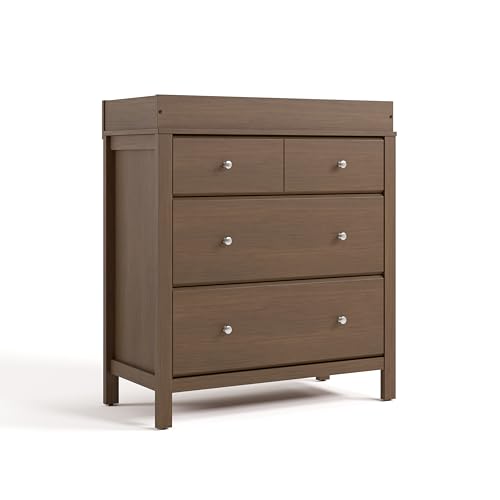
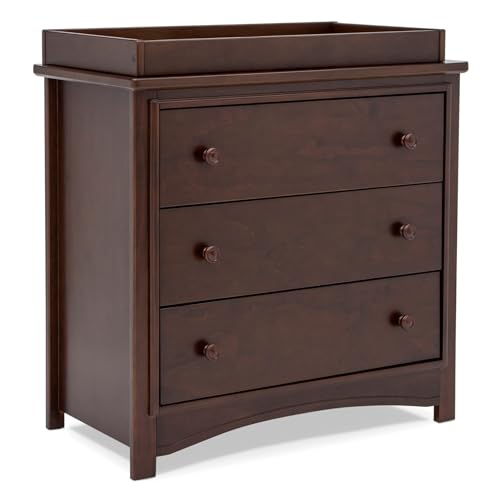
A nursery chest of drawers with changing table—sometimes called a nursery dresser changing table—is a dual-purpose furniture piece designed specifically for baby nurseries. It typically features a sturdy chest of drawers with a flat, reinforced top surface that accommodates a contoured changing pad. This clever design eliminates the need for a separate changing station, making it ideal for smaller nurseries or parents who prefer a streamlined, multi-functional setup.
Unlike standard dressers, these units are engineered with safety and convenience in mind. They often include deeper drawers for organizing diapers and wipes, rounded edges to prevent injuries, and anti-tip hardware for wall anchoring. Many models also feature a removable changing topper—a tray-like surface that sits on top of the dresser and can be removed once your child outgrows the diaper stage, allowing the piece to transition into a standard dresser for years of continued use.
The concept has evolved significantly in recent years. Modern nursery dresser with changing top options now come in a wide range of styles, from minimalist Scandinavian designs to classic farmhouse silhouettes, ensuring you can find a piece that complements your nursery decor while delivering uncompromising functionality.
Key Benefits of a Combined Nursery Dresser and Changing Table
Space Efficiency
Combining two essential nursery functions into one piece frees up valuable floor space. This is particularly beneficial for small nurseries or shared bedrooms where every square foot counts. You get a full-size dresser and a dedicated changing area without crowding the room.
Long-Term Use
Once the diaper-changing phase ends, the removable changing topper can be taken off, converting the piece into a standard chest of drawers. This means the furniture continues to serve your child well into their toddler and school-age years, making it a genuinely long-term investment.
Organized Diaper Changes
Having all diaper-changing supplies within arm's reach—diapers, wipes, creams, and fresh clothes—makes the process faster and less stressful. Many nursery dressers with changing tables include side shelves or integrated storage compartments specifically for these items.
Design Cohesion
A purpose-built nursery dresser with changing table creates a cohesive, intentional look in your nursery. Unlike mismatched separate pieces, these units are designed as a unified whole, contributing to a polished and well-designed space.
How to Choose the Right Nursery Chest of Drawers with Changing Table
Height and Ergonomics
The height of your changing table is one of the most important considerations for daily comfort. The ideal height places the changing pad surface between 36 and 40 inches from the floor—roughly waist level for an average-height adult. This height minimizes bending and reduces strain on your back during the frequent diaper changes of the newborn phase. If you or your partner are significantly taller or shorter than average, look for models with adjustable feet or consider the height carefully before purchasing.
Drawer Configuration and Storage
Consider how you plan to organize your baby's belongings. A nursery chest of drawers with changing table typically offers between three and six drawers. For newborn essentials, a mix of shallow drawers (for onesies, socks, and bibs) and deeper drawers (for blankets and larger items) works well. Some models include felt-lined top drawers for delicate items or dividers for organizing small supplies.
If you're also looking for a matching piece for your own room, consider a natural wood dresser and nightstand set to create a coordinated aesthetic throughout your home. The same design principles apply—solid construction, functional storage, and a timeless finish.
Safety Features to Prioritize
⚠️ Critical Safety Checklist
Anti-tip anchoring is non-negotiable. The dresser must be securely anchored to the wall using the provided anti-tip kit. Children can be seriously injured or worse if a dresser tips over. Look for models that include wall-mounting hardware and clearly marked anchor points. Additionally, check that the changing pad includes safety straps and a non-slip base, and that the dresser has rounded corners and no sharp edges. Drawers should have stops to prevent them from pulling all the way out and falling.
Materials and Construction Quality
Nursery furniture should be built to last and safe for your child's environment. Solid wood construction—such as natural wood dresser options in oak, maple, or pine—offers superior durability and a timeless look. Engineered wood with quality veneers can also be a solid choice, particularly in mid-range and premium tiers, as long as it meets current safety standards for low formaldehyde emissions. Avoid particleboard with thin laminate, which tends to delaminate and weaken over time.
For parents who prefer a lighter, more modern aesthetic, a natural wood dresser for nursery in a pale finish can create a bright and airy feel. Those seeking a bolder look might consider a navy blue changing table dresser for a statement piece that still feels classic and gender-neutral.
Style and Aesthetic Considerations
Your nursery dresser should harmonize with the overall design of the room. Popular styles for nursery furniture include:
- Modern and minimalist — clean lines, neutral finishes, and hardware-free drawer fronts for a sleek look.
- Farmhouse and rustic — warm wood tones, distressed finishes, and vintage-inspired hardware.
- Scandinavian — light woods, tapered legs, and functional simplicity.
- Transitional — a blend of classic and contemporary elements that works across changing decor trends.
A natural wood nursery dresser is an excellent choice for parents who want a versatile piece that will age gracefully with their child. If you're planning a coordinated nursery set, you might also explore natural wood crib and dresser set options that ensure a perfectly matched look.
Comparing Nursery Dresser Configurations by Tier
| Tier | Construction | Drawer Glides | Changing Topper | Best For |
|---|---|---|---|---|
| Essential Tier | Engineered wood with laminate finish | Standard side-mounted glides | Basic removable tray | Parents seeking a functional starter option for short-term use |
| Balanced Tier | Engineered wood with veneer or solid wood frame | Ball-bearing glides with soft-close | Contoured topper with safety straps | Families wanting a reliable, long-lasting piece with upgraded drawer feel |
| High-End Tier | Solid hardwood construction (oak, maple, walnut) | Premium soft-close undermount glides | Integrated changing station with side storage | Parents who view nursery furniture as a long-term investment and want heirloom quality |
| Luxury Tier | Handcrafted solid wood with premium finishes | Custom hardware with whisper-close mechanism | Convertible design with removable changing unit | Those seeking bespoke design, superior craftsmanship, and lifetime durability |
Organizing Your Nursery Dresser with Changing Table
Effective organization is key to making your changing table dresser function at its best. Here's a practical approach to setting up your drawers:
- Top drawer: Diapering essentials—diapers, wipes, rash cream, and a changing pad liner. Keeping these items in the top drawer means you never have to step away from the changing table during a diaper change.
- Second drawer: Daily clothing—onesies, socks, and bibs. Arrange them in neat rows or use drawer dividers to keep sizes organized.
- Third drawer and below: Sleepwear, blankets, and backup supplies. Store larger items like sleep sacks and swaddle blankets in deeper drawers.
- Side storage: If your model includes side shelves or compartments, use them for a small lamp, a burp cloth basket, or a timer and hand sanitizer.
For a more detailed walkthrough of drawer organization strategies, you might explore broader nursery dresser ideas that cover everything from drawer dividers to seasonal clothing rotation. A well-organized dresser reduces stress during those middle-of-the-night changes and keeps the nursery tidy and functional.
Transitioning Beyond the Changing Table Stage
One of the greatest advantages of a nursery dresser with changing table is its ability to adapt as your child grows. Once your baby is potty-trained or has outgrown the changing pad, you can simply remove the changing topper. The dresser then becomes a standard chest of drawers, suitable for a toddler's room or even a guest bedroom.
If you're planning ahead, consider how the dresser will fit into your child's future room layout. A natural wood three drawer dresser or a narrow dresser for small bedroom can be an excellent choice if space is at a premium once the changing station is removed. The goal is to choose a piece that will remain useful and aesthetically appropriate for years to come.
Frequently Asked Questions
Ready to Find Your Perfect Nursery Dresser?
Explore our curated selection of nursery chest of drawers with changing tables, hand-picked for safety, quality, and style. Each option is selected to meet the highest standards for your baby's room.
View Recommended Options